By Charlie Buckland – BBC Wales
Christmas is often considered a time of kindness, but a simple act of kindness by a young couple in the United Kingdom, 50 years ago, changed their lives forever.
On December 23, 1975, Rob Parsons and his wife Dianne were preparing for Christmas at their home in Cardiff when they heard a knock on the door. Standing in the doorway was a man, a garbage bag in his right hand – containing all his belongings – and a frozen chicken in his left.
Rob looked at his face and vaguely remembered him as Ronnie Lockwood, a person he had seen occasionally in Sunday school as a child and who he had been told he had to be nice to because he was "a little different."
“I said, ‘Ronnie, what’s this chicken?’ He said, ‘Someone gave it to me for Christmas.’ Then I said two words that changed our lives forever. And I’m not even sure why I said them. I said, ‘Come in,’” Rob recalls.
At the time, Rob was 27 and Dianne was 26. They felt they had to take Ronnie, who was autistic, under their wing. They cooked him chicken, gave him a bath and agreed to let him stay for Christmas.
What began as an act of compassion turned into a unique coexistence, built on love, patience, and compromise, that lasted a full 45 years, until the day Ronnie passed away.
Rob, now 77, and Dianne, 76, had been married for just four years when Ronnie came into their home. He was almost 30 and had been homeless since the age of 15, living on the streets of Cardiff and working from one job to the next. Rob had often seen him at a youth club he ran.
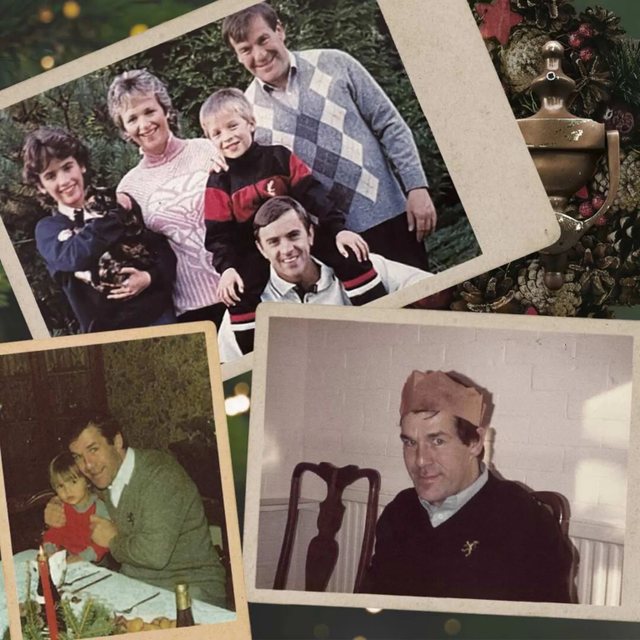
To make him feel as welcome as possible, they asked family members to bring Ronnie a Christmas gift as well - from socks to hygiene products.
“I remember it very clearly,” Dianne says. “He was sitting at the Christmas table, with the presents in front of him, and he was crying because he had never known that feeling of love. It was incredible to see him.”
Initially, the couple planned for Ronnie to stay alone until after Christmas. But when that day came, they didn't have the heart to take him out and sought advice from institutions.
The homeless center told them that Ronnie needed an address to find work, but “to have an address, you need a job.”
“That’s the vicious circle that a lot of homeless people end up in,” Rob says.
Ronnie had a troubled childhood. He was placed in a care home at the age of eight. At the age of 11 he was removed from Cardiff and sent some 200 miles away to a school described in documents as a “school for subnormal boys”.
He lived there for five years.
“He had no friends. No social worker who knew him. No teacher who knew him,” Rob says.
Ronnie often asked, "Have I done anything wrong?", a question the couple believes he picked up from that period.
At the age of 15, he returned to Cardiff "with nothing".
At first, living together wasn't easy. Ronnie avoided eye contact and spoke little.
"But then we got to know him and, to tell the truth, we fell in love with him," they say.
They helped him find work as a cleaner and bought him new clothes, after discovering he was still wearing the clothes he had been given as a teenager.
“It was like dressing your child for the first day of school. We were proud parents,” says Rob.
Rob woke up an hour early every day to take Ronnie to work, before he went himself. One day Ronnie told him that his colleagues asked him who the person was who brought him every morning and he would tell them: "It's my lawyer."
“We don’t think he was proud of it,” says Rob. “But maybe it was because he had never had anyone to walk him to his first day of school. And now, at almost 30 years old, finally someone was at the gate for him.”
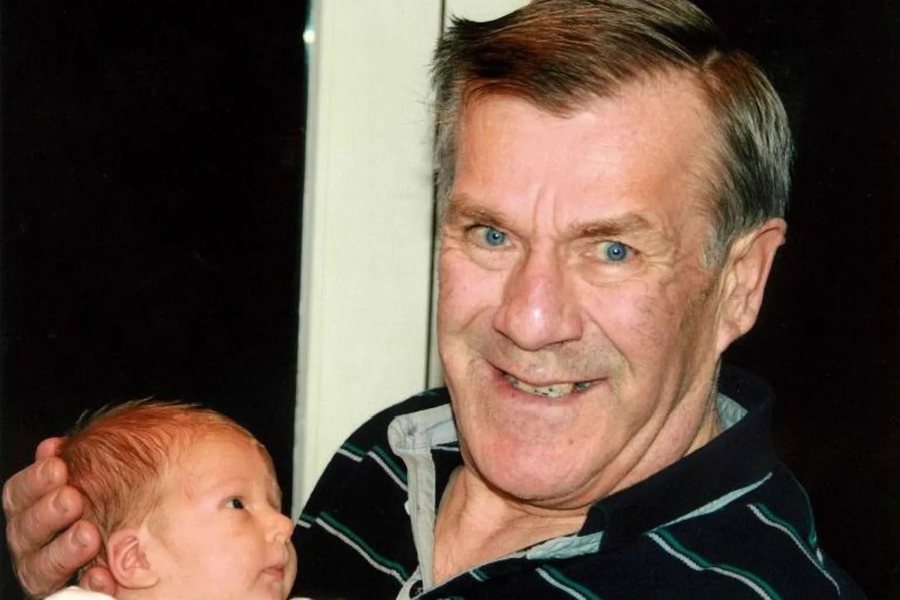
Ronnie became an integral part of the family. He had his own daily rituals, like emptying the dishwasher every morning, and Rob would pretend to be surprised every time so as not to disappoint him. They did this for 45 years.
He had difficulty reading and writing, but he bought the South Wales Echo newspaper every day. Every Christmas he gave them the same gift cards from Marks & Spencer, with the same enthusiasm every year.
Ronnie spent a lot of time at the local church, where he collected donations for the homeless and meticulously arranged chairs. One day he came home with another pair of shoes. When Dianne asked him about his shoes, he told her he had given them to a homeless man in need.
During one of the most difficult periods, when Dianne suffered from chronic fatigue syndrome (ME) and had days when she couldn't get out of bed, Ronnie proved to be extraordinary, taking care of the children and the house.
Although their marriage had its challenges, including a gambling addiction that lasted for about 20 years, Rob and Dianne say they would never trade this life for anything else.
Only once did they consider suggesting that Ronnie live on her own. But when he asked, "Have I done anything wrong?", Dianne burst into tears and said, "I can't."
A few days later, Ronnie walked into their room and asked them, “The three of us are really good friends, right?”
When he asked if they would be together forever, they said yes.
And so it was.
Ronnie passed away in 2020, aged 75, after suffering a stroke. Due to restrictions from the Covid-19 pandemic, only 50 people were allowed to attend his funeral, but, as Rob says, “tickets were more in demand than for a Coldplay concert.”
The couple received at least 100 cards of condolence, from Oxford University professors, politicians and unemployed people.
In his will, Ronnie left £40,000 to charity – the exact amount needed to repair the roof of the Lockwood Centre. After his death, a new £1.6 million welfare centre, called Lockwood House, was built next to Glenwood Church in Cardiff in his honour.
The new building didn’t quite match the old one, and additional funds were needed to complete the renovation.
“But they didn’t have to worry,” says Rob.
“It was almost exactly the amount Ronnie had left in his will.”
“In the end,” he adds, “the homeless man put a roof over everyone’s head.”
“It all happened one day at a time,” Dianne says.
“But Ronnie brought an incredible richness to our lives.”