


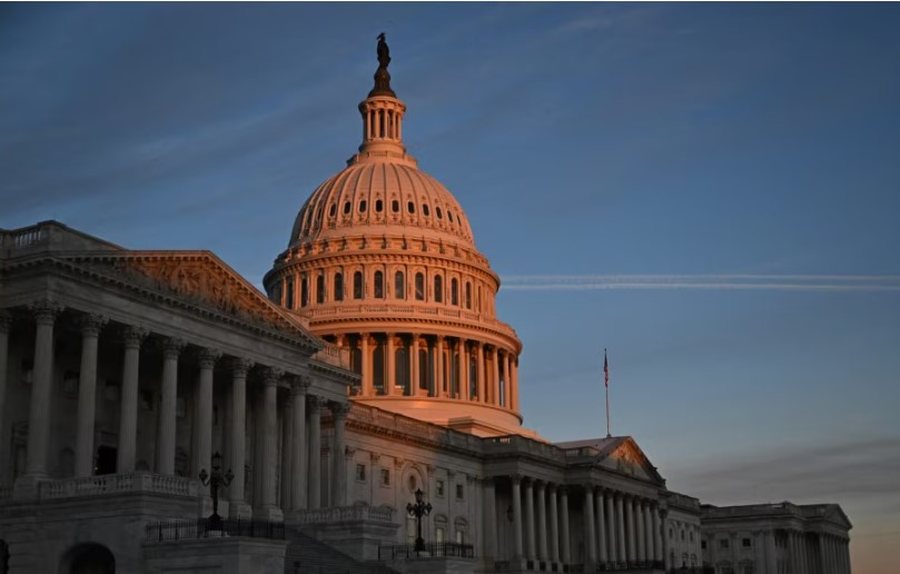
New information has emerged about the US strategy towards Albania, following the passage of the Western Balkans Democracy and Prosperity Act. The 90-day review period, which ends in March 2026, foresees a second wave of sanctions targeting not only politicians but also the economic networks that keep them in power. This development provides a practical roadmap for SPAK, moving from asset freezes to high-level arrests with the aim of creating a fairer and more regulated market before the 2027 elections.
The US Department of State has identified the sectors where the flow of "gray money" is highest and where controls will be focused:
Digital technology and infrastructure: NAIS contractors and “corruption taxes” in digital state services.
Construction and real estate: luxury coastal developments and high-rise buildings in Tirana.
Energy and public utilities: supervision of state energy corporations (KESH, OST) and renewable energy concessions.
Public-Private Partnerships (PPP): audit of waste management and infrastructure contracts.
Banking and finance: monitoring local banks to sever ties with newly sanctioned "facilitators".
Strategic tourism: examination of projects that have received "strategic" status through political favoritism.
Experts believe this approach is a strategic shift from targeting political individuals to the economic networks that keep them in power. The identification of economic “facilitators” and intermediaries of corruption aims to create a legal and operational basis for SPAK, enabling it to crack down on high-level corruption and clean up the market before national elections.