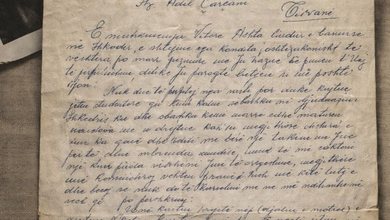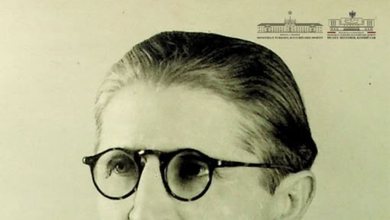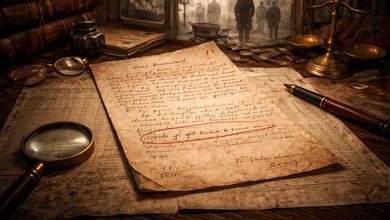



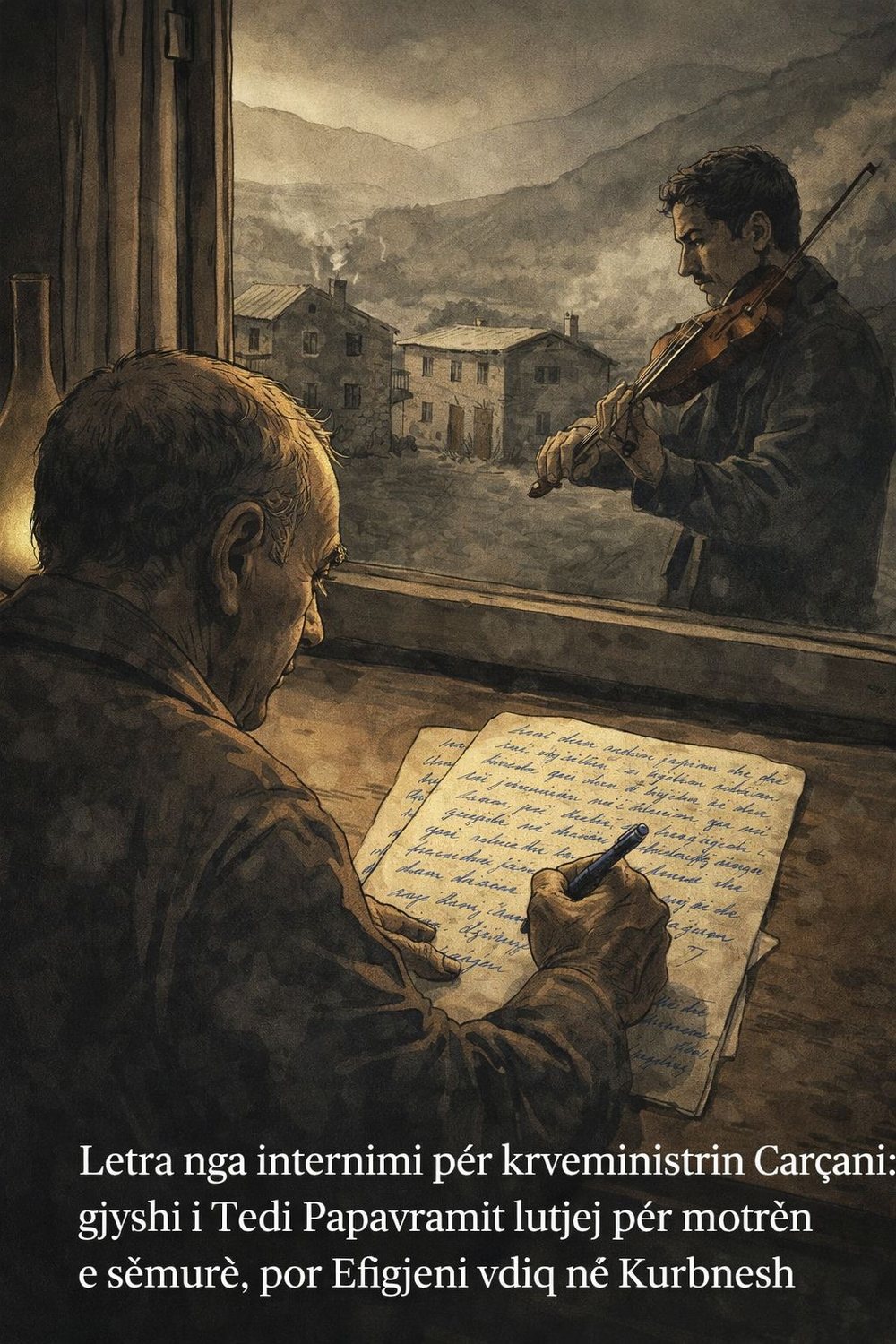
In 1986, from his exile in Kurbnesh, Mirdita, Spiro Rusha — the maternal grandfather of renowned Albanian violinist Tedi Papavrami and a former high-ranking state official before falling victim to the regime’s crackdown — wrote a letter to the then-prime minister, Adil Çarçani. It was not a political letter, nor was it a complaint about his fate. It was a plea for the life of his sister, Efigjeni Rusha.
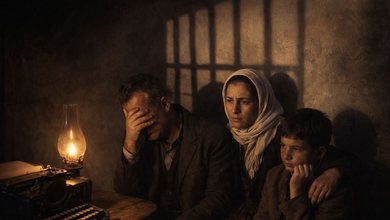
She was seriously ill and her condition was deteriorating every day in the Kurbnesh internment camp, a place where even the most minimal medical conditions were lacking. In the handwritten letter, Rusha explains to the prime minister that his family had been transferred by official decision from Tirana to the internment camp and cites the documents that proved this decision, but the real reason for the letter was his sister's condition.
According to him, Efijeni had gone through serious health crises and had been visited by doctors who had recommended treatment and specialized examinations in Tirana. In Kurbnesh there were neither the means nor the specialists to treat her illness. Rusha directly asks the Prime Minister to intervene to allow her to be sent for treatment in the capital, emphasizing that her condition was extremely serious and that any delay could have irreversible consequences.
At the end of the letter, he addresses Çarçani with a simple human appeal: to intervene to save his sister's life.
But the intervention did not come.
Despite letters sent from internment, Efigjen Rusha was not allowed to leave Kurbneshi for treatment in Tirana. She died in internment, far from hospitals and specialist doctors who could have tried to save her.
Spiro Rusha's letter remains today a painful testament to a time when even a request for medical treatment could collide with the wall of a system that knew no mercy.