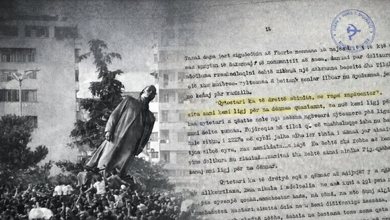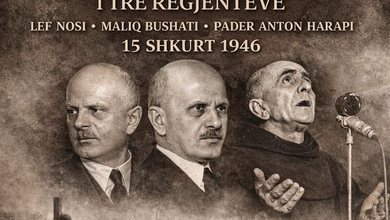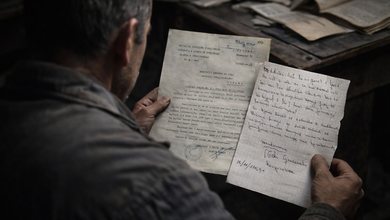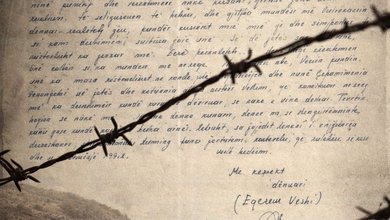



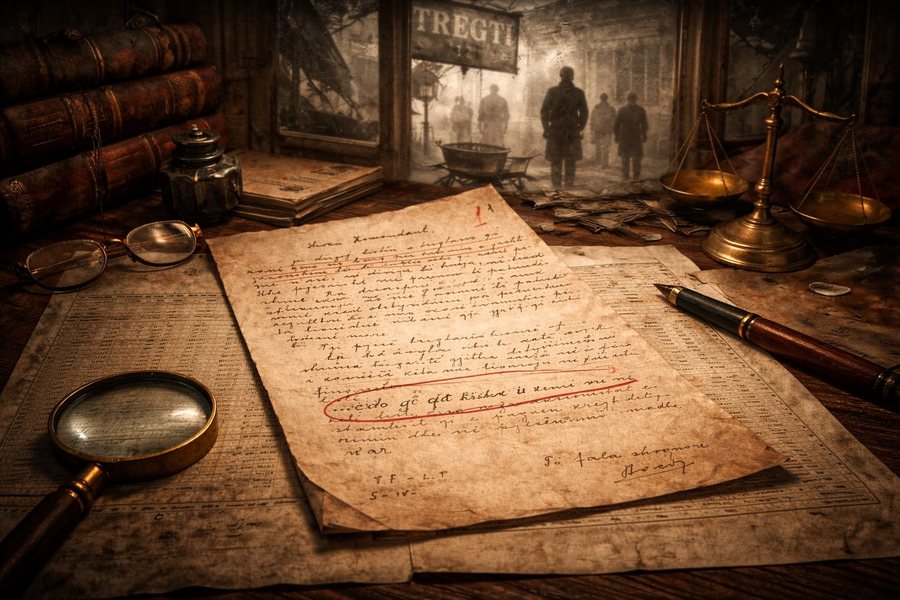
It is November 5, 1947. In an office of the Ministry of Finance, in an Albania that was being rebuilt under a new regime, a handwritten letter is written that today sounds like silent testimony to a harsh era. Signed by Ramadan Çitaku (Baca), Minister of Finance at the time, it is addressed to “Comrade Commander” and is accompanied by a long list of names of businessmen from Tirana, Shkodra, Durrës, Korça, Elbasan.
They are people who had been imprisoned for the so-called Extraordinary Tax on war profits. For each of them, the amounts owed are listed, gold surrendered, foreign currency, real estate seized, the differences that remain to be paid. At first glance, the document is simply administrative, a cold financial balance sheet, with columns and figures. But between the lines, an admission emerges that surpasses any table.
The minister writes that some of these merchants “do not even liquidate the entire obligation with real estate,” because “they have no way to liquidate it after everything they had was taken from them.” It is a simple sentence, without pathos, without political overtones. But that is precisely what makes it difficult. The state admits that it had taken everything.
The Extraordinary Tax was presented as an instrument of justice to punish unjust profits during the occupation. In practice, it turned into a strong mechanism of economic and political pressure on the urban merchant class. Imprisonment was accompanied by seizures, property assessments, and confiscations of gold and foreign currency. Entire families lost the capital built up over generations, while cities lost their traditional entrepreneurial class.
The list that accompanies the letter is not just an inventory of fiscal obligations; it is an inventory of a collective disrobing. Each name represents a story that was interrupted, a business that closed, a house that changed hands. And as the administration closed the columns with differences and deficits, behind them were the shattered lives of those who had already paid with prison and wealth.
VNA brings this document to the “Forgotten Stories” section as a reminder that the fiscal policy of those years was not simply a matter of numbers, but also an instrument of social transformation. At a time when history is often told with slogans, this yellowed letter speaks the language of the administration and precisely for this reason it sounds stronger than any speech: “everything they had was taken away.”