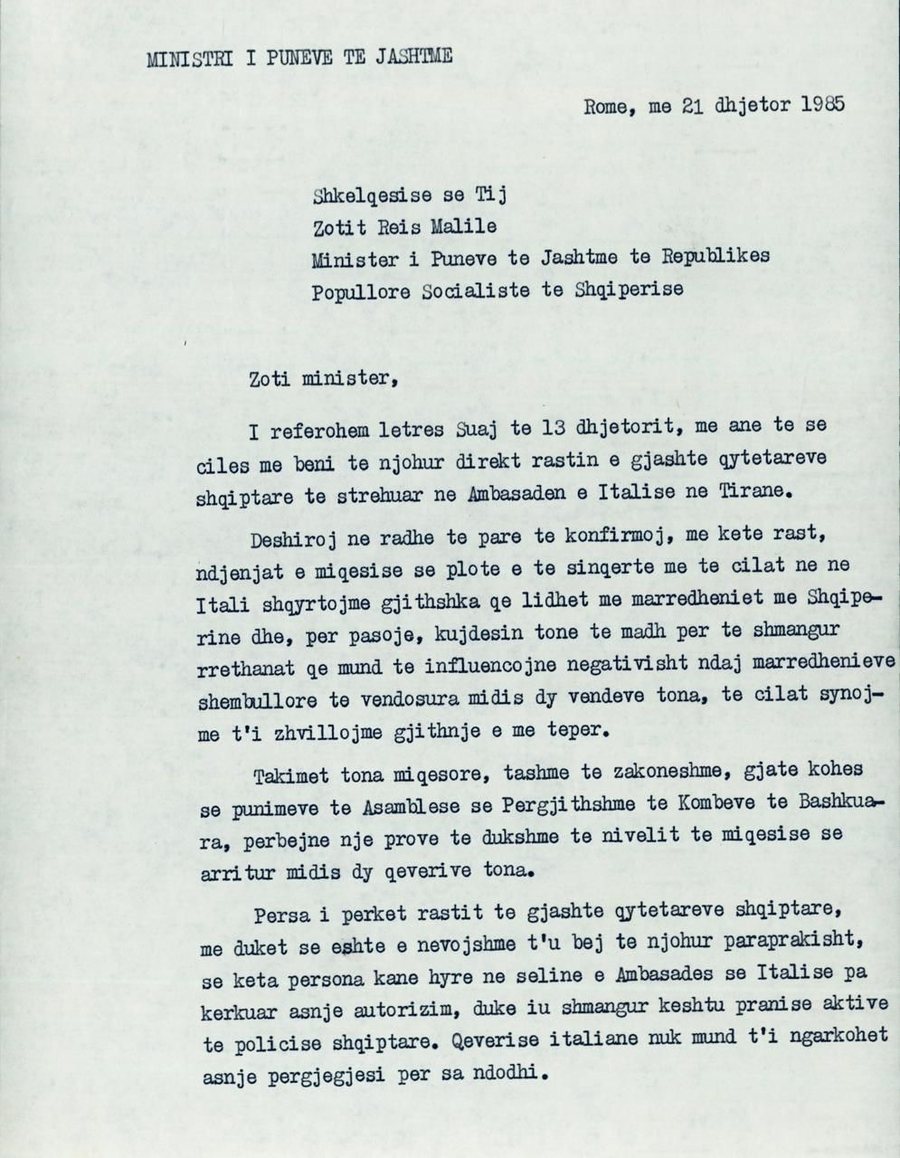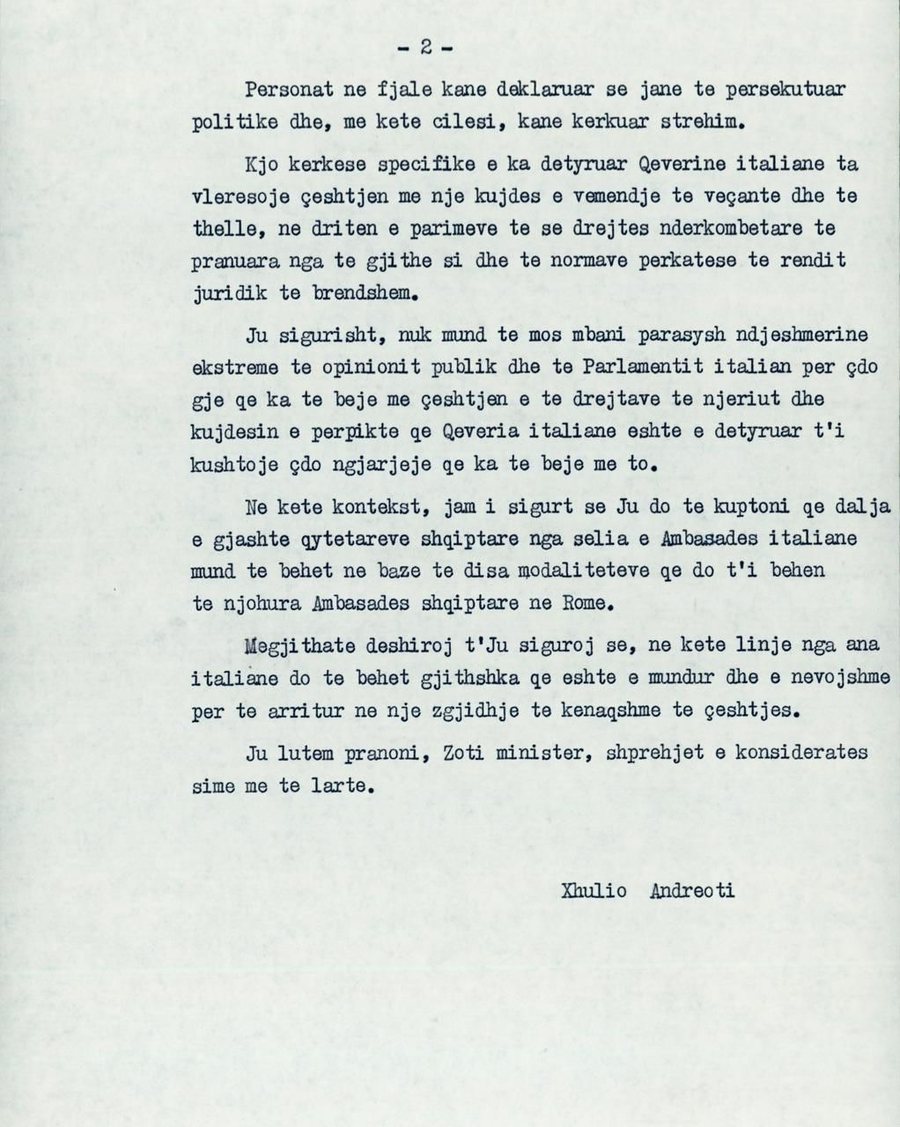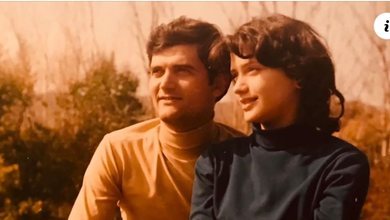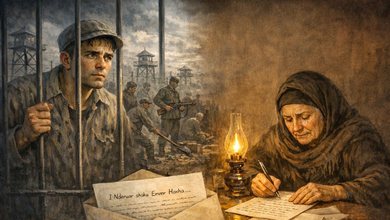



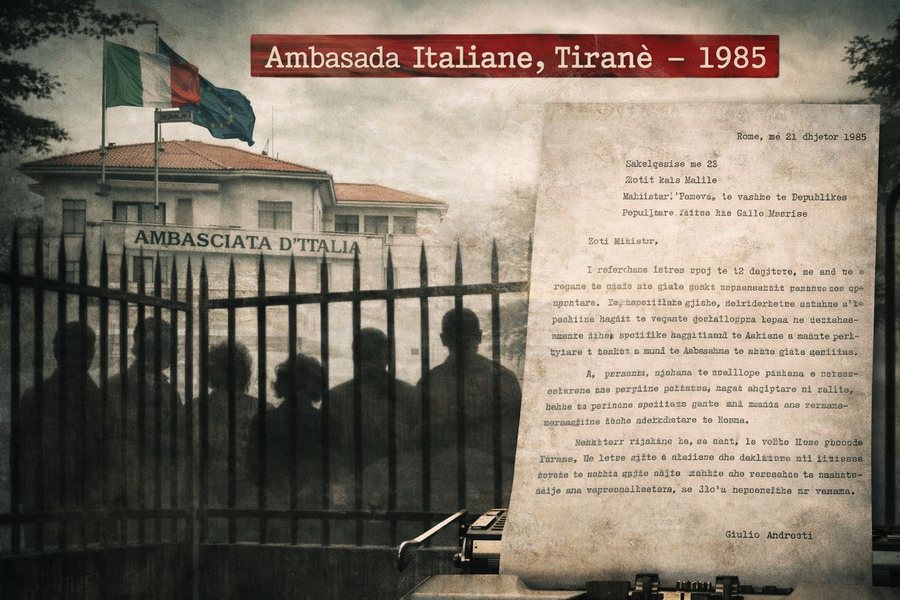
VNA brings in the “Forgotten Stories” column Giulio Andreotti’s letter on the Popa family case, December 1985. In December 1985, Albania was still one of the most isolated countries in Europe. The borders were closed, freedom of movement prohibited, free speech unknown. In this repressive reality, six members of the Popa family – Aleksandër Popa, entered the Italian Embassy in Tirana and requested political asylum, declaring that they were persecuted.
It was a rare act of courage in the heart of dictatorship.
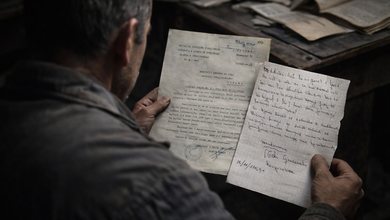
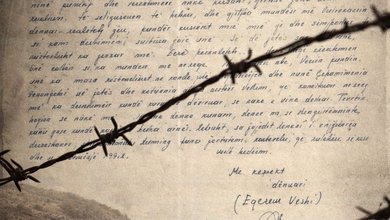
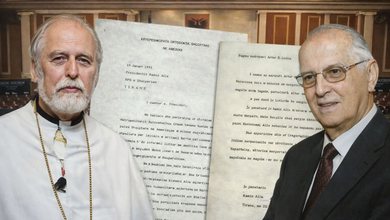
While the regime was shocked by this unprecedented event, on December 21, 1985, Italian Foreign Minister Giulio Andreotti wrote to his Albanian counterpart Reis Malile.
The document, which VNA brings today in "Forgotten Histories", is clear evidence of the clash between a regime that denied political persecution and a Western state that could not ignore the request for asylum.
In the letter, Andreotti confirms that the six citizens have sought asylum as political prisoners. He emphasizes that the case will be handled in accordance with international law and under the pressure of “the extreme sensitivity of public opinion and the Italian Parliament” to human rights. A diplomatic formulation, but one with clear political weight.
The Albanian regime, which officially denied the existence of political persecution, was faced with an undeniable reality: citizens seeking protection from their state, within the capital.
The Popa family would remain inside the embassy premises for years, becoming a living symbol of Albanian isolation and the fear the system produced. Their case was a precursor to what would erupt five years later with the embassies of 1990.
Andreotti's letter is not just a diplomatic note. It is a document that proves that even at the height of isolation, the truth about the regime's repression penetrated beyond the walls.