


This time, VNA brings a significant episode from the end of the communist regime, through the pen of one of the most influential figures in the Western press of the 20th century.
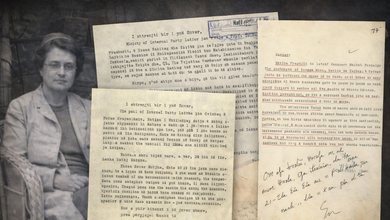
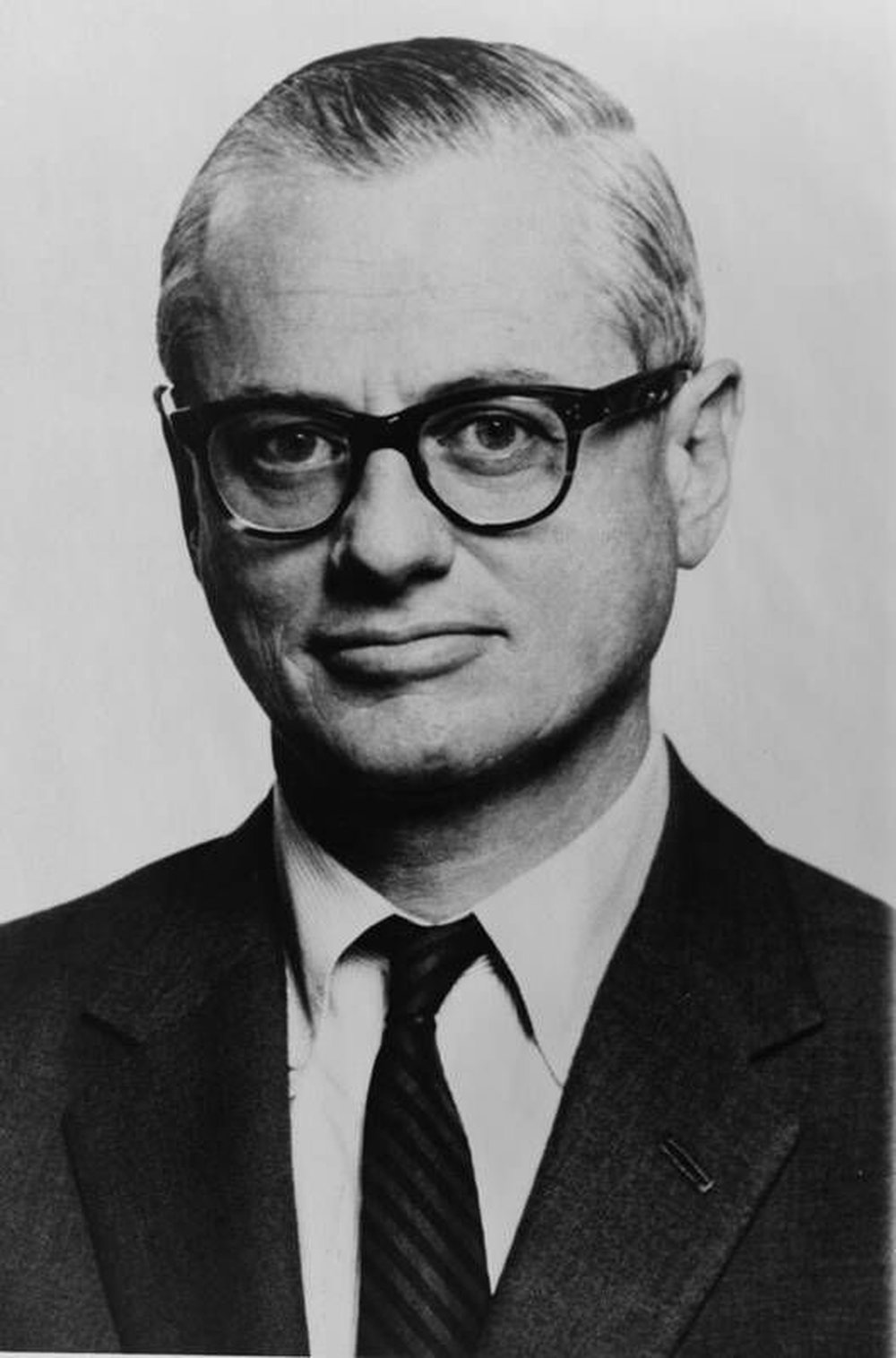
On June 23, 1990, the famous American journalist and editor Cyrus Leo Sulzberger, one of the most influential figures in the Western press of the 20th century, visited Albania. He was part of the Sulzberger family, the historic owner of the New York Times, and at the same time an editor and columnist for the International Herald Tribune. Sulzberger was not just a reporter, but part of the media elite that directly influenced the shaping of American perception of the communist world. But he was also a silent mediator between the political elites of Eastern Europe and American decision-making circles.
VNA brings the context of this visit at a critical moment for Albania and Eastern Europe.
His visit to Albania in 1990 had a special significance. He was returning to a country he had first visited in 1938, and now after the fall of the Berlin Wall, at a time when the communist regimes of Eastern Europe were collapsing one after another. The purpose of the visit was to interview Ramiz Alia, the man to understand whether Alia would represent the continuity of the Albanian political system in a Europe that was changing at a dramatic pace.
VNA also brings up the special role that Sulzberger had in silent American diplomacy.
Sulzberger, known for his interviews with leaders like Khrushchev, Tito or Ceausescu, etc., had built a unique profile as a NYT columnist for decades and came to Albania at a key moment, when American pressure to open the country was strong. Sulzberger conducted the interview with Ramiz Alia, not simply to inform the American public, but also to test Alia's political boundaries. Often, through his writings, he conveyed signals that were read even by the White House.
VNA brings the moment when this interview turned into a political test for the Albanian leadership.
After the profound changes in Eastern Europe, after the shooting of Ceausescu and after the visits of American congressmen to Albania, the interview with Ramiz Alina turned into a kind of political test. Sulzberger published his impressions of this conversation in the International Herald Tribune on June 29, 1990.
VNA brings what documents and writings reveal today about Ramiz Ali's real position.
Both his article and the official protocol of the meeting, preserved today in the Central State Archives in Tirana, clearly show that Ramiz Alia was still hesitant about regime change. He spoke of reform, but without breaking away from the logic of control; of liberalization, but without accepting pluralism as a principle; of human rights, but still within the boundaries of a system that had denied them for decades.
VNA also brings the ideological justifications used by Alia in this conversation.
In his conversation with Sulzberger, Alia insisted that Albania had followed a unique path during the Cold War, different from that of other Eastern European countries, as an excuse for the delay and hesitation towards deep reforms. Even when the issue of religious freedoms and the opening of religious institutions was raised, Alia clearly stepped back, justifying himself by saying that religion in Albania had not historically played a role similar to that it had in countries like Greece or Poland, and that, although individuals were free to believe, they had decided that Albania should remain without religious institutions.
VNA brings up how history was used to avoid change.
In this context, Ramiz Alia referred to the well-known motto "the religion of the Albanian is Albanianism", using it as a historical and political argument with the figure of Fan Noli, underlining that the Albanian people, although in a Muslim majority, had elected an Orthodox priest as prime minister. Thus, Alia was shaken by historical delays, avoiding the real opening of Albania, while other Eastern European countries had overthrown communist regimes.