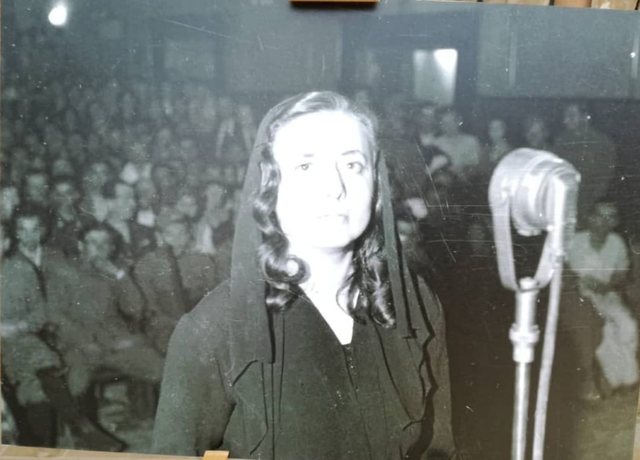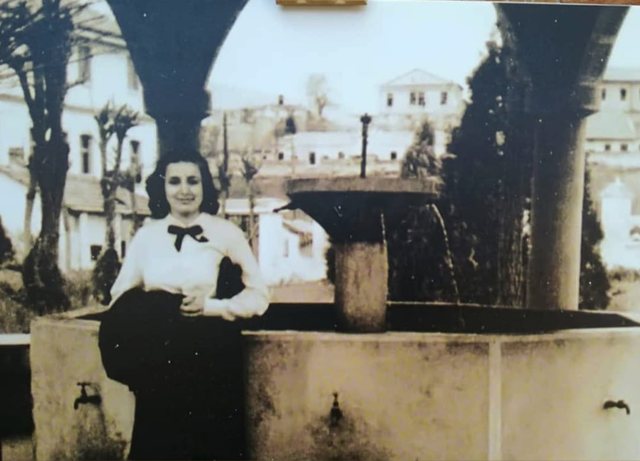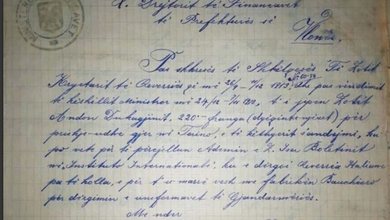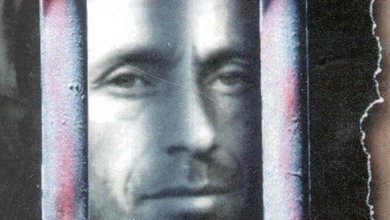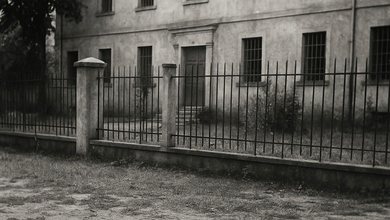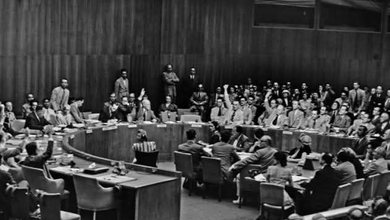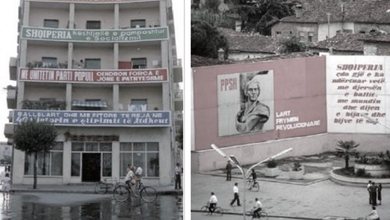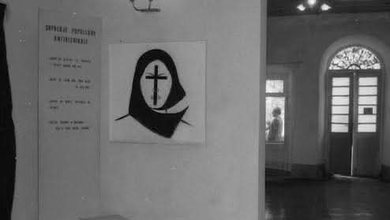



A document from the archives of the Central Intelligence Agency (CIA) provides evidence of the persecution and torture inflicted on the renowned Albanian intellectual and writer, Musine Kokalari, in the early years of the communist regime.
According to the document, Prof. Qemal Draçini, arrested in Tirana, testified that one day he saw words attributed to Musine Kokalari written on the walls of the People's Protection Court.
The message, dated September 18, 1946, described that she had been tortured for several hours and that she was leaving the testimony under extreme conditions, signing it with her name.

The document emphasizes that this testimony constitutes one of the most serious proofs of the violent methods used against political opponents at that period. According to the CIA document, Prof. Dracini, after experiencing torture during his detention, took an extreme act against himself. After the numerous tortures inflicted on him, he committed suicide by cutting his wrists.
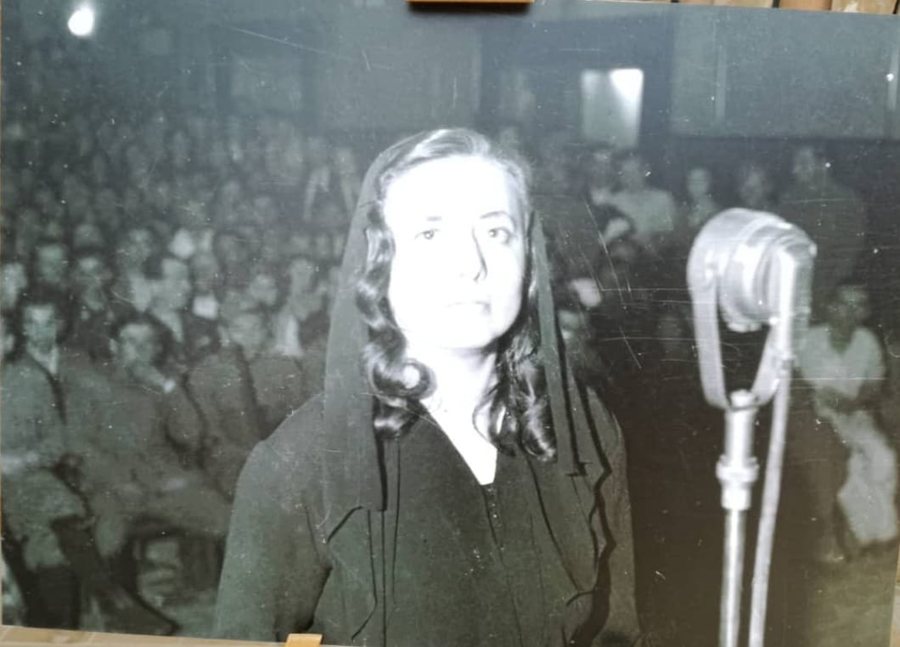
Musine Kokalari remains one of the most symbolic figures of intellectual resistance to dictatorship in Albania.
Musine Kokalari (1920–1983) was an Albanian writer, publicist, and political activist, known as the first woman to publicly engage in politics after World War II.
She was arrested in 1946 by the communist regime for "anti-communist" activities and connections to the National Front.
During her imprisonment, she was severely tortured, becoming a symbol of intellectual resistance and the oppression of women by the regime. Many of her works were published after the fall of communism.