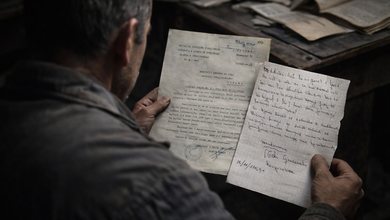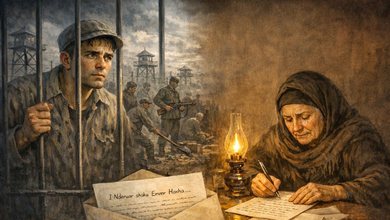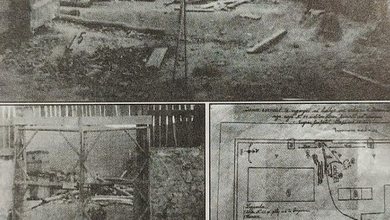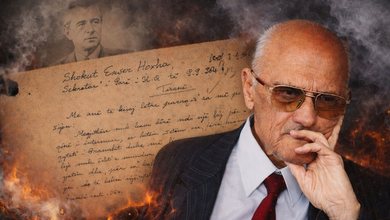



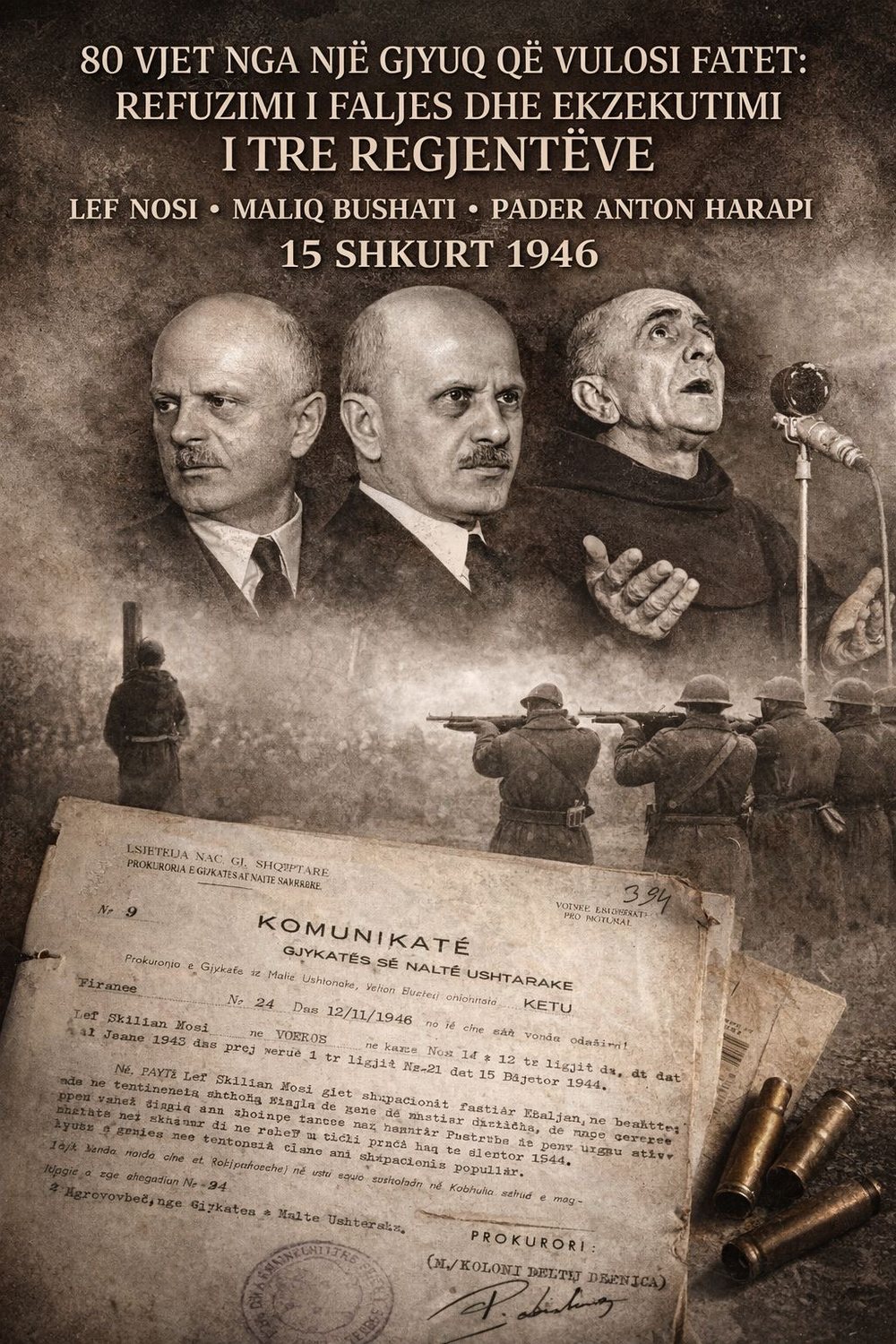
This time, in the "Forgotten Stories" section, VNA brings one of the most controversial and painful episodes of post-war Albanian history: the documents that sealed the death sentence of Lef Nosi, Pader Anton Harapi and Maliq Bushati, the three figures who were declared collaborationist regents and executed on February 15, 1946.
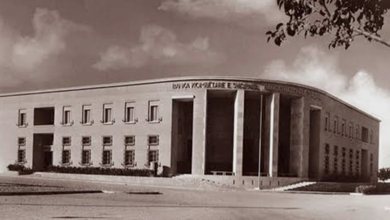
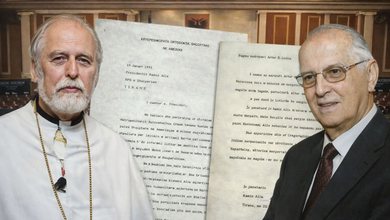
Eighty years ago, in an Albania emerging from war and entering a new political order, military justice became the instrument that would settle accounts with the past. The document of the Supreme Military Court, which refuses to pardon Lef Nosi and approves the death sentence issued by the Military Court of Tirana, remains today a cold bureaucratic testimony of a decision that forever changed the course of their personal history, but also of the country.
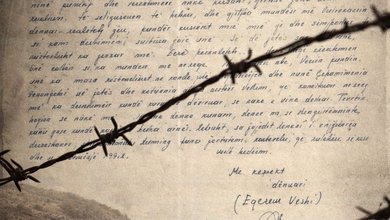
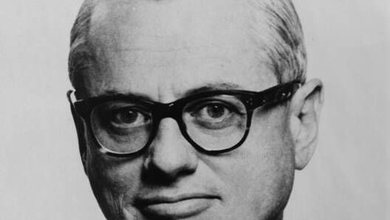
On these pages, yellowed by time, one reads the harsh language of the era: accusations of collaboration with the occupiers, political and economic benefits, and moral responsibility for the fate of the country during the occupation. On the other side stands the request of prosecutor Misto Treska, whose name today, ironically, a library in the capital bears — a contrast that makes the story even more reflective of the way collective memory chooses to preserve criminals and forget heroes and patriots.
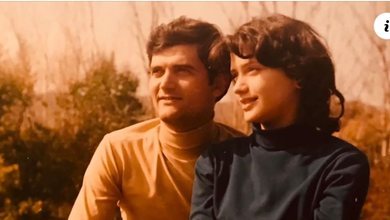
The execution of the three prominent personalities was not only the physical end of three public figures. It was also a political message of the time: the final closing of a chapter and the beginning of a new era, where the interpretation of the past would be written by the communists. For one part of the history of the dictatorship, they remained a symbol of collaboration with the occupier; for others, complex figures of a time torn between impossible choices.
Today, after eight decades, the documents speak more clearly than the rhetoric of the time. They remind us that history is not just a chronology of events, but also human drama, irreversible decisions, and questions that remain open: was it justice, political revenge, or a mixture of both?
In the "Forgotten Histories" section, VNA brings back this moment not to judge again, but to remember that behind every signature on an official document lies a life and an entire era that still needs to be explored and presented truthfully.