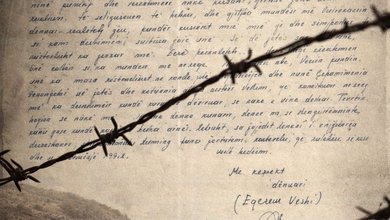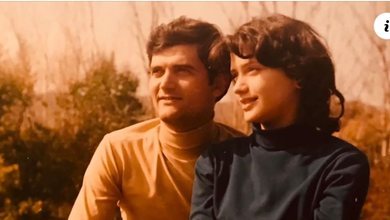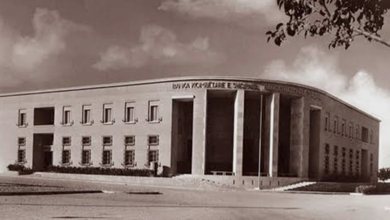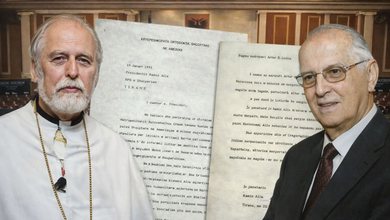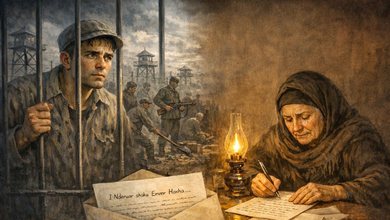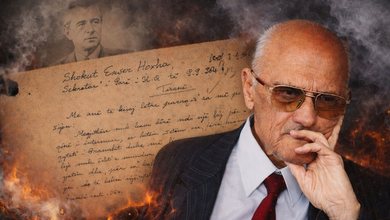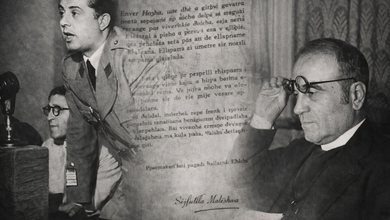



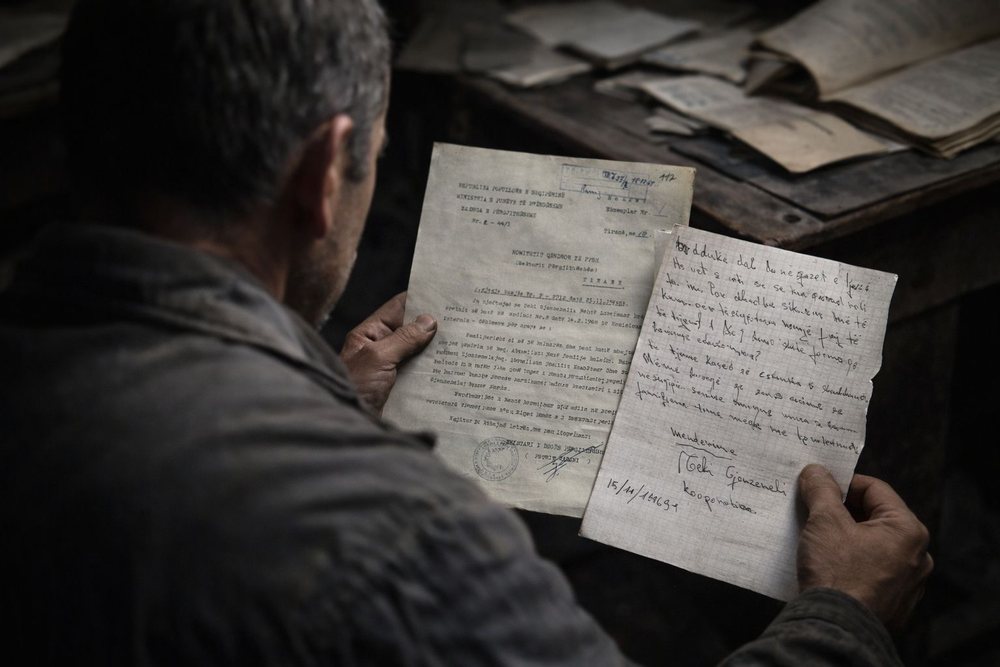
This time, in the "Forgotten Stories" section, VNA brings the story of Teki Gjonzeneli, told through two archival letters that clearly speak about how the internment system functioned during the dictatorship. The documents show how an administrative decision could determine the fate of an entire family, while the person himself tried to justify his life and work.
In the official letter, the authorities argue that the internment measure had to continue because of the family biography: father connected to the National Front, brothers arrested or on the run, and classification as a “kulak” family. The language is brief, bureaucratic, and without any reference to the personal life of the man being tried.
The second letter, from Teki Gjonzeneli himself, sounds completely different. He writes as a worker who has spent years in the country's industrial sites — from Vlora to hydroelectric power plants and factories — and who cannot understand why he was interned. He mentions his profession, his family, his years of work, and simply asks: where is my fault?
The two letters are placed opposite each other as evidence of a time when biography had more weight than work, while political decisions changed people's lives without explanation. Without rhetoric and without added drama, the documents speak for themselves about the reality of internment and the clash between the system and the individual.
⸻
Letter 1 – Addressed to the Party Central Committee
We inform you that Teki Gjonzenelit, interned based on decision no. 8, dated 14.2.1968, of the Internment-Deportation Commission, for the following reasons:
The family, both in the past and currently, have maintained and maintain a bad attitude. They are currently considered a kulak family.
His father, Muhamet Gjonzenelaj, was a lieutenant of the National Front and, as such, fought against partisan forces; while his cousin, Beqo Gjonzenelaj, was executed.
In 1960, one of his brothers fled to Greece; while in 1959 and 1969, two of his brothers were arrested and convicted of hostile activities against the people's government.
We think that the deportation measure should not be lifted.
⸻
Letter 2 – PRAYER
I have been living and working in the village of Bohagjan as an internee for 20 months. In 1944 my village was burned down by fascism. I, together with my family, came to the city of Vlora, where I lived regularly for 4 years.
I was fired from my job on March 25, 1968. I refused to go to the village, because I didn't even have a flat or any other place to live. They fired me anyway. After a month they exiled me to the village for 5 years.
I am an excavator, crane operator, and electrician of category XII by profession. I have a wife and a daughter. I am only telling you that during these 10 months there in the village I have only completed 400 days of work.
Before they sent me to the village, I worked for 5 years at the Ulza hydroelectric power plant, 7 years in Shkopet, 2 years in Bistrica, 2 years in Soda, and most recently at Azotik in Fier. During my work, I was also rewarded by appearing in other newspapers.
I don't even know where my fault lies. But even if I have to atone for the faults of others, is this the way to educate me?
I regret that a quarter of a century in socialist Albania finds me and my family interned.
With respect,
Teki Gjonzeneli
15/11/1969