


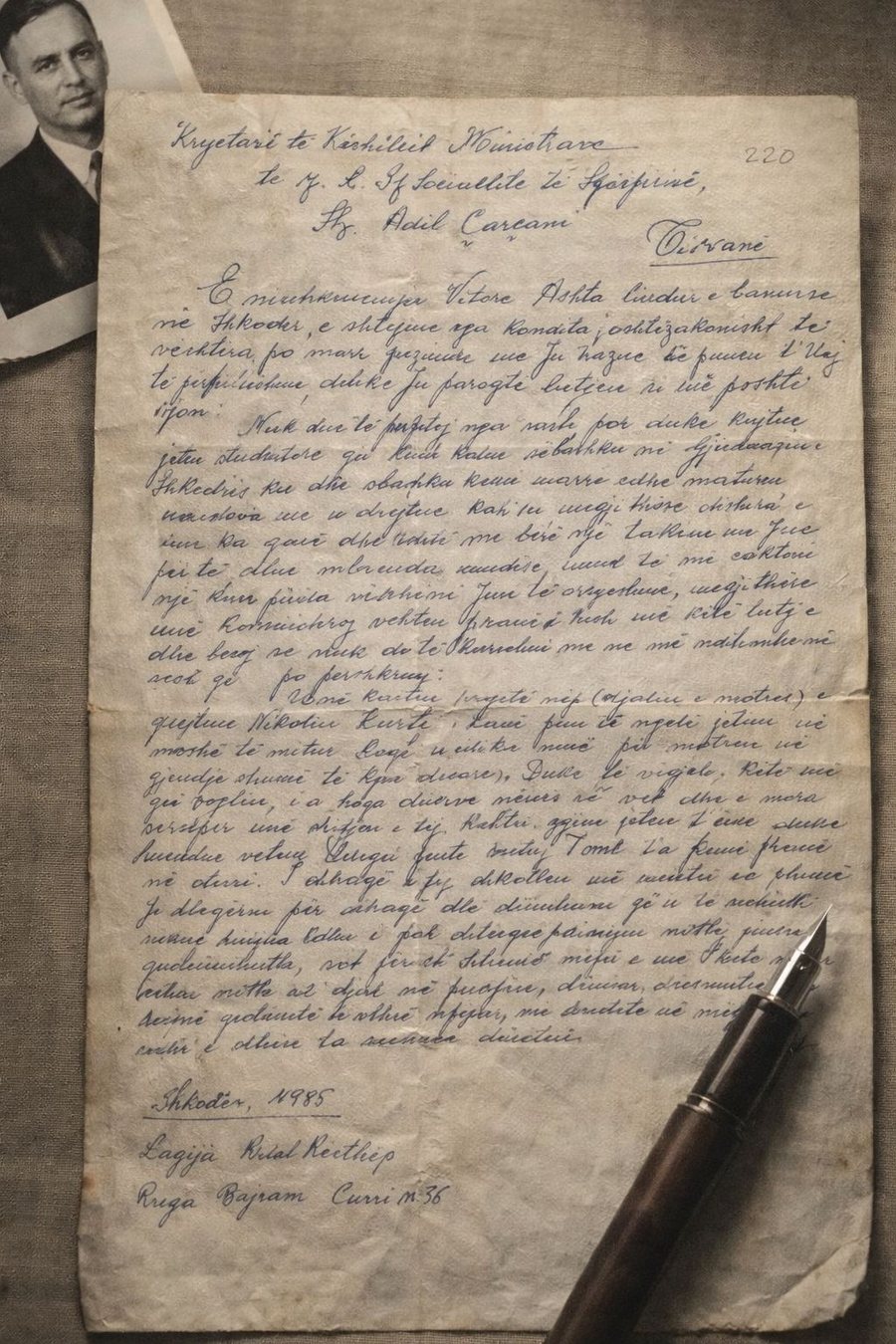
In 1985, in the Albania of the communist dictatorship, where a person's fate could depend on a party decision or a government signature, a woman from Shkodra, Vitore Ashta, took the courage to write directly to the prime minister of the time, Adil Çarçani.
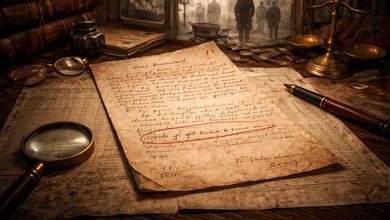
The letter is a poignant document of an era when citizens had no one to complain to except the regime that had punished them. Vitore Ashta demands the release from internment of her nephew, Nikolin Kurti, a young man who, according to her, had spent most of his life between prison and political punishments.
Written by hand and in humble language – as the fear of the time demanded – the letter tells the story of an orphan who had grown up in difficult conditions. His aunt explains that he had been orphaned since he was a child and that she had tried to support and educate him, helping him continue his education and build a normal life.
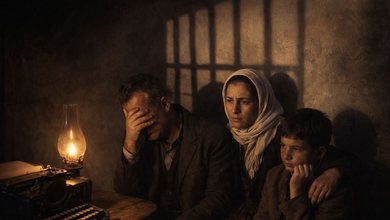
But in the Albania of that time, one mistake or one accusation was enough to destroy a young man's life. According to the letter, Nikolin Kurti was arrested, sentenced to years in prison, and then sent into exile. His aunt writes to the prime minister that he had already served many years of his sentence and asks that his case be viewed with mercy.
The lines of the letter convey the anguish and helplessness of a family trying to save a relative from the machinery of a punitive system that rarely forgives. Vitore Ashta tries to convince the authorities that her nephew has reflected and that continuing the sentence would no longer bring any benefit to society.
She also mentions the young man's serious health condition and the fact that he had spent almost his entire youth in prison and exile.
The letter closes with a humble appeal for justice and humanity – a forced language in the face of a regime where every request had to be accompanied by excessive respect for power.
Today, this letter remains a clear testament to the reality of Albania at that time: a state where the families of political prisoners had no independent institutions through which to seek justice, but only the fragile hope that a prayer addressed to the government itself could soften, even for a moment, the harshness of the regime.