


The border between Albania and Montenegro was transformed into a 'crime scene' during the years '89-'90, when the Albanian communist state killed dozens of citizens who attempted to flee the country, murders that, like thousands of other crimes of the dictatorship, still remain unpunished today.
By Admirina Peçi /Kujto.al
The Buna River flows calmly behind willow groves, a few meters from the Catholic cemetery in Shenkoll, a border village, about 15 kilometers from the center of Ulcinj.
On December 19, 1990, this place became the scene of a state crime.
Albanian border guards killed 5 people in the dark, Pal Palna, Zade Palna, Ernest Daragjati, Olsi Lorja and Liljana Palna, an 11-year-old girl, who fell from the boat and disappeared into the waters of the Buna River.
They were among a group, most of them with family ties, who were trying to escape communist Albania.
The Palna family's relative, Gjergj Ashta, reconstructs the scene of that night from the memories of those who survived.
According to him, there were 8 or 10 people on the boat. 4 were killed, Pali, Zadja (Pali's mother), Pali's daughter Liljana and his brother-in-law Ernest Daragjati. Olsi Lorja was killed in another boat that they were on with them.
"They all came from the Daragjat area of Shkodra, entered Buna by boat and after a few minutes they were confronted by Albanian police forces and killed. Some were killed and some were captured by the Montenegrin army and taken to the camp," Ashta tells Kujto.al.
The event not only shocked Shkodra, but also the small village of Shën Kolli across the border in Montenegro.
Anton Hoti, a resident of Shën Koll, still has it fresh in his memory.
"They killed them somewhere in the forest. They killed them and massacred them. They even said that they had cut off half of one of their heads with the blades of a motorboat," he recalls the incident 36 years ago, when the bodies of the murdered were brought to be buried in his village.
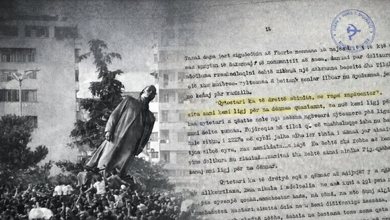
The crimes of the communist regime led by Enver Hoxha and after his death by Ramiz Alia remain unpunished to this day. A report dated November 20, 1990, signed by the former Minister of Interior at the time, Hekuran Isai, reveals the extent of the killings on the borders of Albania, which had been transformed into the walls of a large prison.
"From 1944 to 1990, 9,220 people and 4,472 of their relatives, women and children, fled across the Albanian border, of whom 988 died," the archival document states, among other things.
In the absence of accurate official statistics, data processed by the Institute for Political Studies shows that the highest number of murders at the border was recorded at a time when the communist regime was in its final stages.
"The highest number of murders occurred in December 1990 with 12 cases, followed by June '90 with 9 cases, May with 8 cases, August and November with 5 cases each, etc." - states a study by this organization.
Living proof of these crimes is the plot of graves in the Shën Kolli cemetery used to bury Albanians who were killed on the border with Montenegro.
A few kilometers from the Shën Kolli cemetery, at a point on the Velipoja beach in Shkodër, on May 18, 1990, two brothers, Gjekë and Vatë Beqi, set out to swim across the border between Albania and Montenegro, aiming for the island of Ada at the mouth of the Buna River.
A public speech by communist president Ramiz Alia on May 7 of that year, in which he announced that crossing the border would no longer be a criminal offense of "high treason against the Fatherland" and would not be punishable by murder, had encouraged them, as it did thousands of others who attempted to flee in anticipation of the fall of the communist regime.
After being spotted in the darkness by the border guard's searchlights, a volley of automatic fire was fired at the two brothers. Gjekë Beqi, one of the two brothers, recounts the events of that night, where he himself was seriously wounded by a bullet that grazed his jaw, while his brother was killed.
"The commander, a cruel, sadistic man, killed us in vain. As soon as he approached with a boat, he shot. I was wounded. I sank in the water. My brother pulled me out. My brother told them; 'we are locals here' and tried to talk to them. 'Hold him, hold him', they told him not to drown because, 'we will kill you as soon as you reach the shore'. And he really killed his brother on the shore" - he tells Kujto.al, recalling the darkest night of his life.
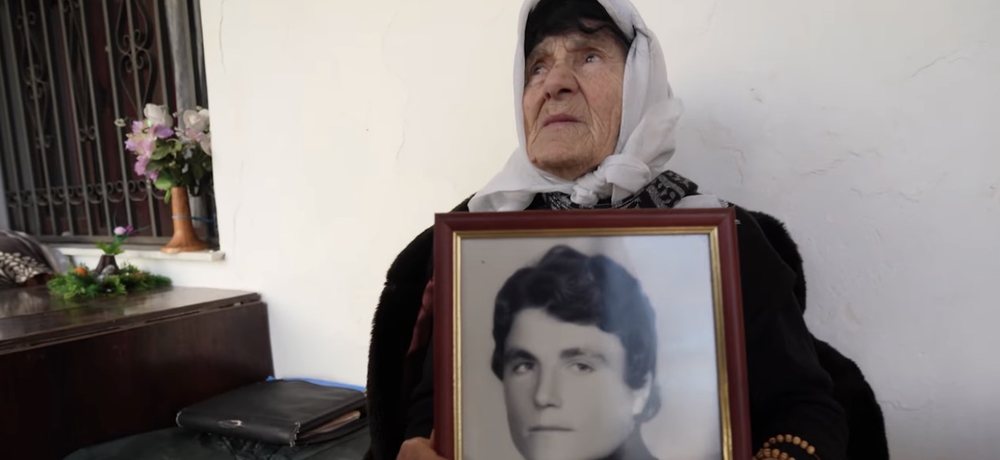
Vata Beqi's mother, 92 years old, who lives a few kilometers from where her sons were shot, is still waiting for justice for the murder of Vata, who was only 25 years old at the time, but as a Christian believer, she says she has left justice to God.
"God didn't say kill, he said forgive. He shouldn't hide. He shouldn't have killed him, he killed him... he shouldn't have killed him because on May 7, Ramiz Alia said the border is free. I'm not saying kill, because I'm with this," she says, pointing to the cross she wears around her neck.
The person who cold-bloodedly shot his son was named Bino Binaj, who served as Commander of the Velipoja Border Post.
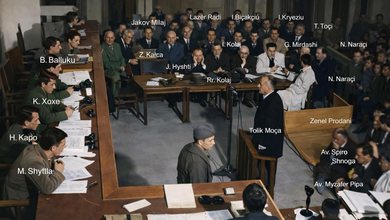
In the mid-1990s, Gjekë Beqi began his legal battle, marking one of the few cases when Albanian courts issued a verdict for the crimes of the nearly half-century-old totalitarian regime.
"When I got out of prison, I was traumatized and maybe I even thought about self-defense. But my father said no. The state killed you, you followed the state's path. And I sued him within the rules" - he says. At the trial, according to Beqi, his fellow soldiers who were in the unit appeared as witnesses and with decision no. 96, dated 14.05.1996, of the Shkodra Judicial District Court, judge Admir Thanxa gave the verdict "life imprisonment" for the criminal offense "Crime against humanity".
Gjykata e Apelit të Rrethit Tiranë me vendimin e saj nr. 496, datë 05.07.1996 ka lënë në fuqi dënimin e dhënë në shkallë të parë duke rrëzuar ankimimin e avokatëve të Binaj.
Ndërkohë Binaj në tentativë për t’i shpëtuar dënimit kishte ndryshuar emrin në gjendjen civile të Vlorës.
Një urdhër për ekzekutimin e dënimit ndaj tij, i dhënë në vitin 2009 nga Prokuroria e Shkodrës, saktëson se Bino Binaj ishte i njëjti person me emrin e ri Besnik Ali Zykaj. Por ky urdhër, që Kujto e disponon, nuk u zbatua kurrë nga policia shqiptare, pasi Zykaj (alias Binaj) ishte arratisur nga vendi.
I shpallur në kërkim ndërkombëtar me emrin e ri ai arrestohet në vitin 2012 në Firence, Itali, por institucionet shqiptare përgjegjëse dështuan që ta esktradojnë atë drejt Shqipërisë për të vuajtur dënimin.
“...autoritetet gjyqësore italiane nuk kanë pranuar ekstradimin e këtij shtetasi drejt Shqipërisë”- thuhet në një korespodencë mes Prokurorisë së Përgjithshme dhe Prokurorisë së Rrethit Shkodër, vënë në dispozicion me kërkesën për të drejtë informimi nga kjo e fundit.
Arsyet se pse autoritetet italiane nuk janë bindur nga institucionet shqiptare që ky individ duhej të dërgohej drejt Shqipërisë për të vuajtur dënimin mbeten ende të paqarta pasi as Prokuroria e Shkodrës dhe as Ministria e Drejtësisë nuk e vunë në dispozicion dokumentacionin e plotë.
Nga ana tjetër Policia e Shtetit pranoi për Kujto.al se Besnik Zykaj (alias Bino Binaj) rezulton ende në kërkim ndërkombëtar me status ‘Aktiv”.
I revoltuar Beqi fajëson shtetin shqiptar.
“Pra, shteti ka pasur mundësi që ta gjejë atë, por e ka ndihmuar vetë shteti për të mos u ekstraduar”- thotë ai.
Afrim Krasniqi, drejtor i Institutit për Studime Politike, i tha Kujto.al se pas rrëzimit të regjimit komunist nuk pati asnjëherë përpjekje për t’i dënuar këto krime dhe as personat që i kryen ato.
“Kur ne tentuam për të krijuar procese hetimore, ishte jashtëzakonisht e vonuar dhe individët nuk ndodheshin më në Shqipëri, ose nuk kishte më dokumentacion që mbështeste hetimet gjyqësore”- tha Krasniqi,
Ai e lidh fluksin e vrasjeve në vitin ’90 pikërisht me ndryshimet ligjore të kohës, të cilat ndryshe nga sa u premtua nga Ramiz Alia, nuk u zbatuan nga postat kufitare.
“Në muajt Prill- Maj 1990, vrasja në kufi u dekriminalizua dhe u konsiderua kalim i paligjshëm i kufirit që dënohej me disa vite burg. Ndërkohë aktet nënligjore që duhet të rregullonin gjithë këtë, nuk dolën në kohë, strukturat brenda partisë së punës vazhduan të veprojnë në linja partiake me urdhër politik dhe jo sipas ligjit dhe Kushtetutës dhe për pasojë edhe në aspektin ligjor edhe në aspektin kushtetues, edhe në aspektin e të drejtave të njeriut të gjitha vrasjet në kufi te vitit 1990, janë kundër Kushtetutës kundër ligjit, kundër parimeve të të drejtave të njeriut dhe kundër angazhimit shtetëror”- thotë Krasniqi.
Alibia që përdoret se individët kanë zbatuar ligjet e kohës, sipas tij, “bie automatikisht për shkak të kësaj rrethane specifike”.
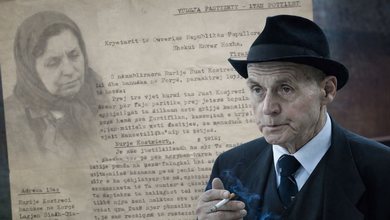
Pavarësisht premtimeve publike udhëheqësi i fundit komunist, Ramiz Alia, i nxiste këto vrasje, siç tregon procesverbali i mbledhjes së Byrosë Politike 4 dhjetor 1990 ku ai justifikonte si normale gjuatjen me armë ndaj atyre që tentonin arratisjen nga ushtarët e kufirit.
Alia e mbajti detyrën si president i vendit dhe disa muaj pas ndryshimit formal të sistemit, kohë që ai e shfrytëzoi për t’u dhënë imunitet politik të gjithë atyre që i kishin shërbyer në momentet e fundit shtetit totalitar.
Kështu, më 5 janar ’91, u dha dekorata të larta presidenciale të gjithë oficerëve përgjegjës për vrasjet në kufi, përfshirë edhe vrasësin e Vatë Beqit, Besnik Zykaj (alias Bino Binaj.
Sipas Afrim Krasniqit, “ky ka qenë një mesazh drejtuar forcave të sigurimit të kufirit se kanë mbrojtje të lartë që nga presidenti, parlamenti dhe struktura të larta politike të vendit dhe si i tillë ka promovuar të keqen dhe e ka kthyer në sistem dhe deri diku ka ndikuar edhe në mbylljen e dosjeve”.
Të vrarë dhe të braktisur nga shteti
Familjarët e viktimave, të cilët u vranë në kufinjtë e Shqipërisë në përpjekje për t’i shpëtuar diktaturës, u përballën me dyert e mbyllura të shtetit shqiptar për të mësuar të vërtetën dhe për të gjetur trupat e tyre. Ndërsa shteti komunist i kishte vrarë, shteti i ri demokratik i braktisi në përpjekjet e tyre për drejtësi.
Kjo ndodhi edhe me Gjergj Ashtën, i cili i kushtoi shumë vite të jetës zbardhjes së ngjarjes dhe sidomos gjetjes dhe kthimit të eshtrave të të vrarëve që kishin mbetur në Mal të Zi.
Ai thotë se, të gjitha përpjekjet i ka bërë në rrugë private dhe e vetmja ndihmë shtetërore që mori ishte nga autoritetet malazeze të komunës Ulqin.
Fillimisht atë e ndihmoi një banor i zonës, Nikolla Elezoviç, nga fshati Shën Koll, Mal i Zi.
“Një shok i imi më thotë kanë ardhur disa katolikë interesohen për disa të vdekur, që janë vrarë në kufi dhe i kanë sjellë te kisha juaj dhe i kanë varrosur”- tregon Elezoviç për Kujto-në.
Më pas ishin autoritetet vendore të Ulqinit që e asistuan për të tërhequr trupat e të afërmëve të tij.
“Kam takuar ish.kryetarin e komunës së Ulqinit, Mehmet Bardhi, i cili më është gjendur shumë dhe më ka ndihmuar për të gjetur vendin se ku ishin varrosur. Janë dashur procedura 5 vjeçare për t’i tërhequr eshtrat, për t’i zhvarrosur dhe për t’i çuar në Shqipëri”- thotë ai.
Mes zyrtarëve që e ndihmuan për identifikimin e vendvarrimit ishte edhe Gjergj Pepgjoni, i cili kishte shërbyer në vitin ’90 si sekretar i Komunës së Ulqinit.
Në një përgjigje me shkrim që Pepgjoni i dha Kujto.al kuptojmë se të vrarët nga polica kufitare e Shqipërisë, merreshin nga ushtria malazeze, identifikoheshin prej të afërmve të mbijetuar dhe me një urdhër gjykate varroseshin në një varrezë të posaçme të komunës.
"Ulqin did not have city cemeteries, but religious cemeteries and the communities did not accept burials without knowing the religious affiliation. So we assigned a plot to the Church of St. Kolli. The urban planning department made the sketch, which was archived, then a copy to the local community, the church and the court. The names and positions were written on the sketch," he says.
Ashta confirms that it was in this cemetery designated by the municipality that he found the bodies of his relatives.
"When we opened the graves, the names of the people we were looking for were written on the coffins inside, and we took them and crossed the border to Hani i Hotit and buried them in Shkodra," he says.
With the recovery of the remains, the Palna family seems to have somewhat eased their pain. But justice for them is still far away. No one was convicted for that event and Liljana, the family's youngest daughter who was killed that same night, is still missing today.
Even today, hundreds of families do not know what happened to their people attempting to cross the borders.
The Files Authority (AIDSSH), an institution established in 2015 with the aim of opening the files of the former State Security, has in its archival funds abundant information about the murders at the border that can serve to shed light on the extent of this state crime but also to assist other institutions and family members in their research.
The head of this institution, Gentiana Sula, tells Kujto.al that files related to the murders that occurred on the southeastern and northern borders have been opened and that the opening of files for the border with Kosovo and the southern border will continue.
"A source could be border registers, a source could be daily communiqués, a source could be personal files," she adds, offering the institution's willingness to make archival documents available to family members' searches for justice.
"For those who think that it was the law of the time, at least morally today, let's apologize and try to alleviate as much of the pain that was experienced. As for the part where the legislation of the time also prohibited killing at the border, justice should have functioned there and it should function," Sula emphasizes./ Kujto.al