


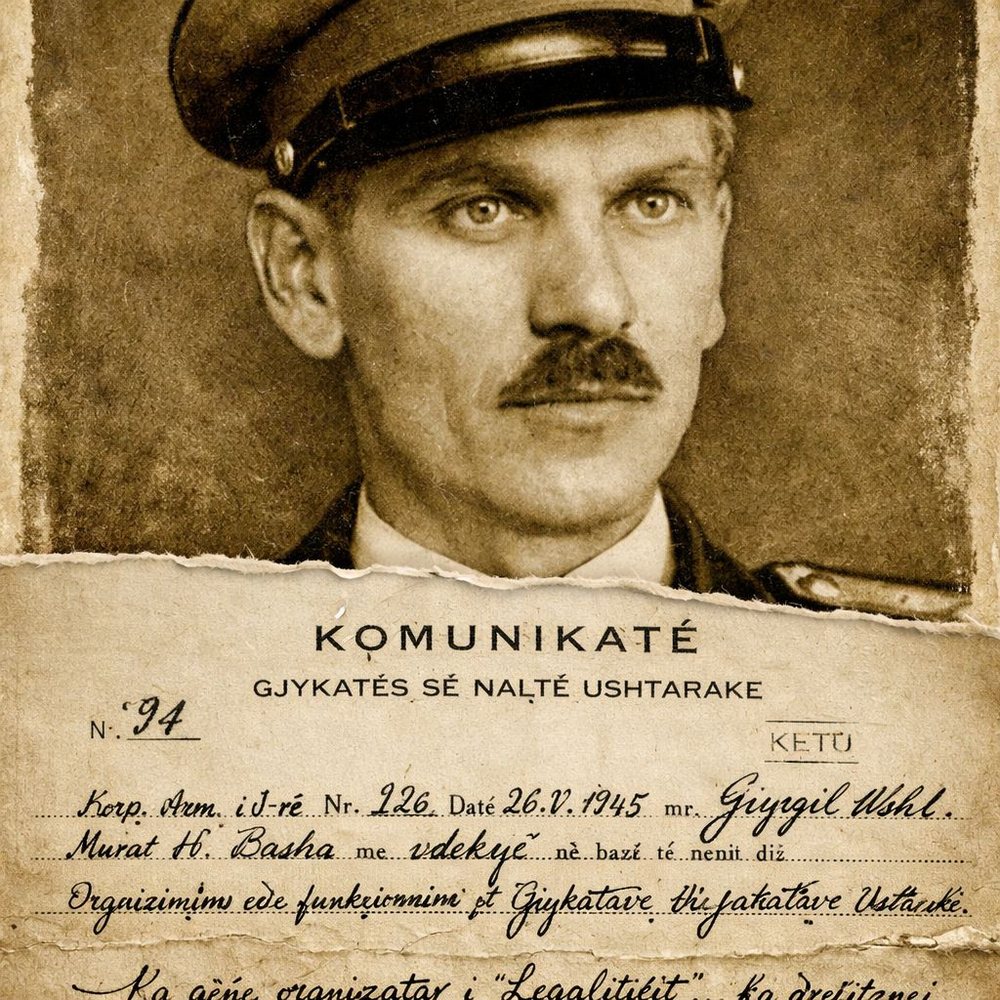
In the archives of Albanian history, there are documents that are not just old papers.
They are life-or-death decisions.
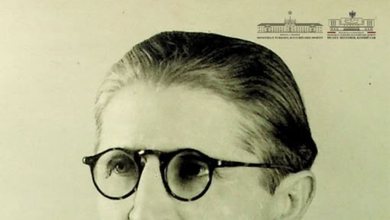
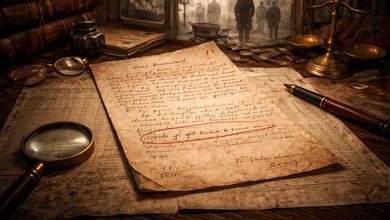
One of them is this "Communiqué of the High Military Court", dated November 1, 1945, where in a few handwritten lines the fate of Murat Basha, described in the document as one of the leaders of the Legality movement, is sealed.
The document comes from the Prosecutor's Office of the High Military Court of the National Liberation Army and refers to a previous judgment dated May 26, 1945, imposing the death penalty.
The text of the document is brief, but brutal in its clarity.
The prosecution writes that:
"He was an organizer of Legality, he was a member of the Legality headquarters, he led all the wars against the partisan forces... where many losses were caused by the partisans. He tried tirelessly to destroy the people's movement."
In the end, the prosecutor requests that the decision be approved, describing his act as high treason against the homeland.
The document bears the signature of the infamous military prosecutor Myftar Tare, one of the darkest figures of the military prosecution in the early years of the communist regime, whose name is linked to a series of political processes and decisions that led to death sentences and the shooting of many people declared "enemies of the regime."
At that time, Albania was in the first months of the consolidation of the communist regime.
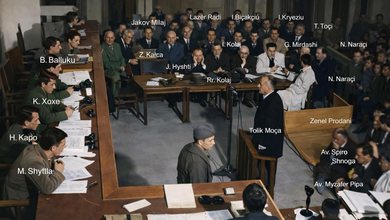
Military courts became the main instrument to politically eliminate opponents of the new government.
Sentences were often handed down quickly, in closed trials, with legal language that today seems cold and mechanical.
But behind those lines lay a much greater drama.
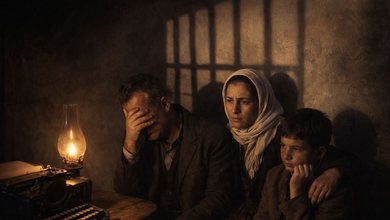
A man who was sentenced to death.
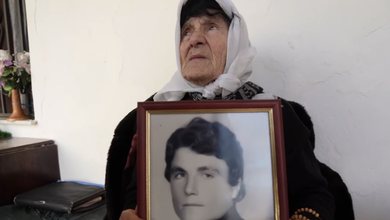
A family that lost a father, a son, a relative.
And a scar that would follow generations for decades.
Documents like this don't just tell the story of one person.
They show the climate of a time when political struggle continued even after the actual war and when justice was often used as a weapon.
Today, almost eight decades later, a yellow sheet of the archive brings back a question that Albanian history has not yet exhausted:
How many lives were decided in those years by a few lines written on a court table?