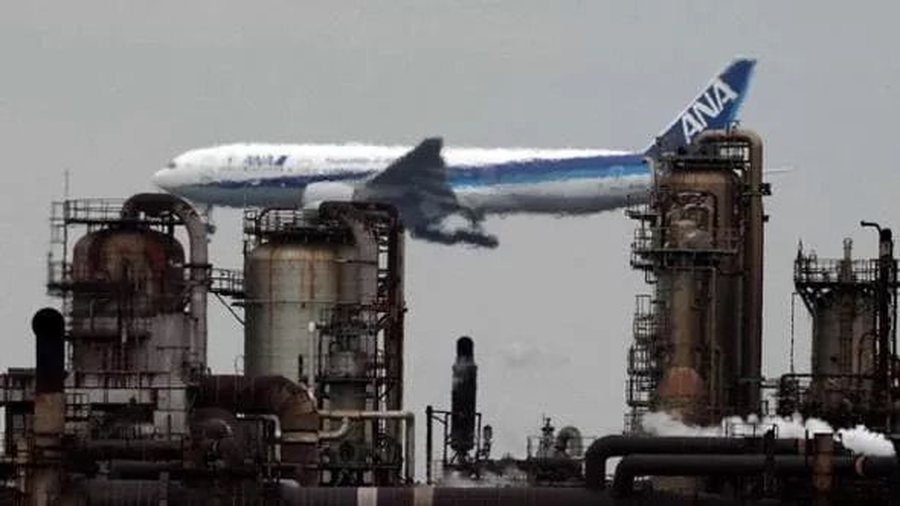
The blockade of maritime oil transport in the Strait of Hormuz is also being reflected in the skies of global aviation. As the conflict in the Middle East continues, fears about fuel supplies are forcing airlines to change their strategies.
The rise in the price of jet fuel – which has doubled in some cases – and the risk that supplies will not be sufficient in the coming months are pushing companies to take measures: from reducing the number of flights to increasing the price of tickets and additional services.
The impact has been felt first by Asian carriers operating in regions affected by the tensions. Emirates, Qatar Airways and Etihad Airways have faced temporary disruptions to operations, affecting flight schedules and ticket prices. About 10 percent of global air traffic passes through the air hubs of Dubai, Doha and Abu Dhabi.
The fare hike has also been felt by other carriers including Qantas, Cathay Pacific, Air India and Air New Zealand. Meanwhile, Air France-KLM group has announced a hike of around 50 euros for return economy tickets on intercontinental flights.
Even low-cost carriers are preparing for difficult scenarios. Ryanair is considering canceling 5 to 10 percent of its flights over the summer and increasing passenger costs by about 4 percent if the conflict continues and fuel supplies become more uncertain.
According to industry leaders, if the crisis in the Persian Gulf is prolonged, some companies may even be forced to keep part of their fleet on land to cope with rising costs.
Meanwhile, passengers could face a much more expensive summer: in addition to ticket prices, some companies are also raising fees for baggage and additional services, to compensate for rising fuel costs.