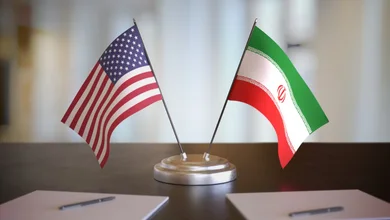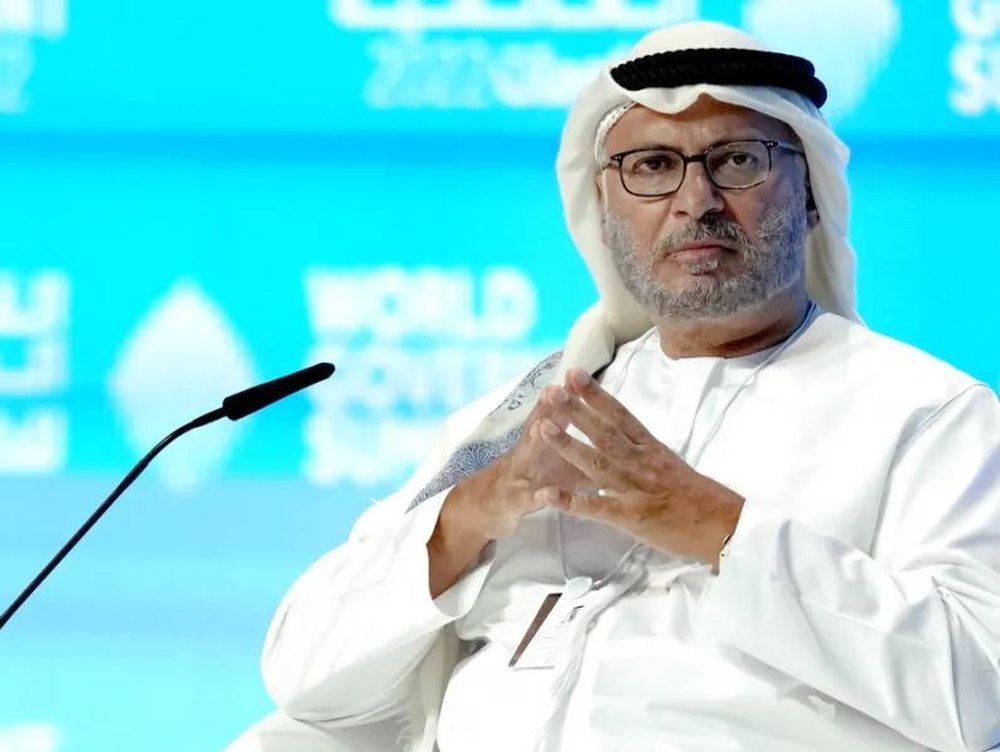
A possible agreement between the US and Iran should guarantee freedom of navigation in the Strait of Hormuz, the diplomatic advisor to the president of the United Arab Emirates, Anwar Gargash, said over the weekend.
He warned that a deal that does not limit Iran's nuclear program, as well as its production of missiles and drones, would pave the way for "a more dangerous and unstable Middle East."
Gargash stressed that the Strait of Hormuz - one of the most important arteries of global energy supply - cannot be used as a tool of pressure. According to him, its security is not a regional issue for negotiations, but a necessity for the global economy.
"The Strait of Hormuz cannot be held hostage by any country," he said, adding that freedom of navigation must be an integral part of any agreement to resolve the conflict.
He added that the UAE supports an end to the war, but warned of the dangers of a ceasefire that does not address the underlying causes of tensions in the region.
"We do not want further escalation, but neither do we want a ceasefire that leaves key issues unresolved that would create an even more dangerous environment, especially Iran's nuclear program, the missiles and drones that continue to strike countries in the region," he said.
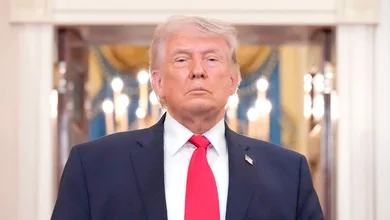
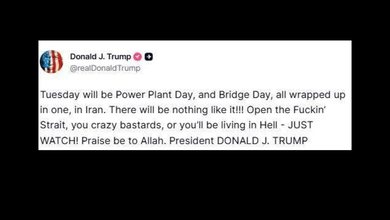
Meanwhile, US President Donald Trump has threatened Tehran with severe consequences if a deal is not reached and the Strait of Hormuz is not reopened by the set deadline. In a post on the Truth Social platform, he warned of further strikes on Iran's energy and transportation infrastructure.
Gargash stated that the Emirates is ready to participate in any international effort led by the US to ensure the safety of navigation in the Strait of Hormuz.
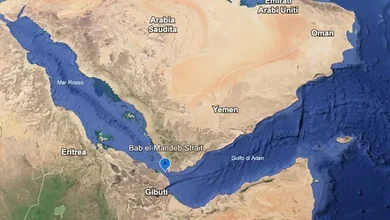
About a fifth of the world's oil and liquefied natural gas supply passes through this sea route every day under normal conditions. However, recent developments have significantly restricted the flow, fueling a global energy crisis.
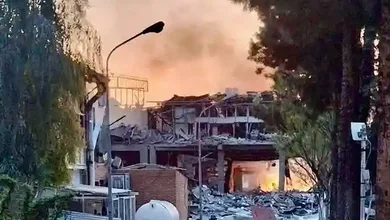
The conflict erupted on February 28, when the US and Israel struck Iran after talks on a nuclear deal failed. Iran responded with missile and drone attacks on Israel, US bases and energy infrastructure in the Gulf region.
According to regional officials, the United Arab Emirates has suffered the most severe impacts compared to other Gulf countries.
Gargash noted that for decades the worst-case scenario for the Emirates was a full-scale attack by Iran – a scenario that is now materializing. However, he stressed that the country is facing the situation with resilience and adaptive capacity.
He added that the Emirati economy remains strong and on the path to recovery, although this will require considerable effort.
According to him, Iran's strategy is expected to further strengthen Gulf countries' cooperation with the US in the field of security, consolidating the American military presence in the region and increasing Israel's influence.
Gargash stressed that the US will remain the main security partner for the Emirates and that Abu Dhabi will further invest in this relationship, in the face of increasing regional threats.
He added that Iranian attacks on energy infrastructure and sea lanes are intended to increase pressure on the US's Arab allies, forcing them to influence a halt to US military operations.
In the end, Gargash stated that Iran is fighting to maintain the regime and not the country, emphasizing that the Emirates do not seek a clash with Tehran, but trust remains impossible under current conditions.
He also thanked international partners for their support, singling out France and the US for their role in strengthening the country's air defense.