

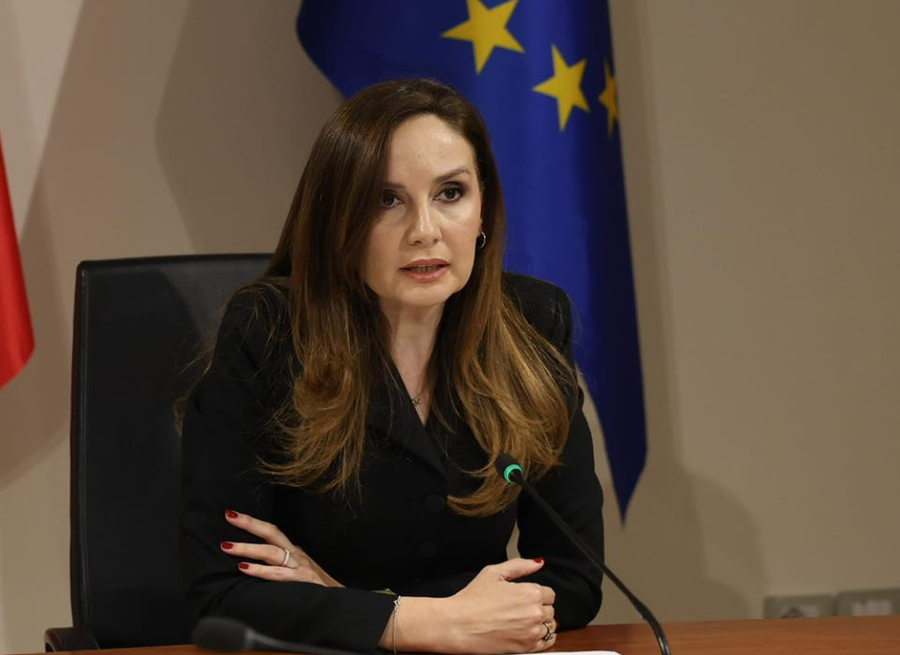
Democratic Party MP Jorida Tabaku has once again revealed what everyone already knows. In a post on social media, she expressed concern that economic growth in numbers does not translate into well-being for citizens, a finding that, to be honest, has not surprised anyone who pays rent or does the monthly shopping.
Tabaku also criticizes the current economic model, emphasizing that “growth is concentrated and that citizens are paying more.” In short, he reiterates a reality that has been discussed for years at every dinner table, television studio, or neighborhood cafe.
She further speaks of an economy that "builds towers, but not opportunities," of taxes that burden the middle class, and of a system where benefits are not distributed fairly, and expresses the need for Albania to have a different economic model.
"Albanians today are paying double: with higher taxes on wages and with an increasingly high cost of living. So it is not about sustainable growth but a facade that cannot last and does not serve the citizens! Albania needs a different model. A model that produces, that competes and that turns economic growth into well-being for every citizen," writes Tabaku.
The problems are real, well-known and that citizens are living with today without the need for the DP MP to remind them. What remains less clear is, what is the concrete alternative model that the opposition is proposing? How does this situation change beyond the findings? If her party does not have time to deal with these problems, why does Tabaku, as an expert, not draft how she thinks the solution is?
Because at the end of the day, it's easy to make an accurate diagnosis, or a description of the problem, but what is the prescription?
And while citizens continue to face the same challenges, the public debate remains where it has been, between criticisms that are known and serve the next statuses, while solutions that are still unspoken.