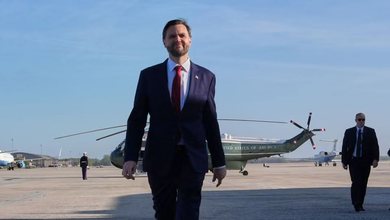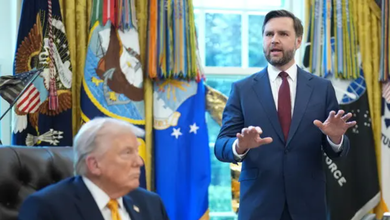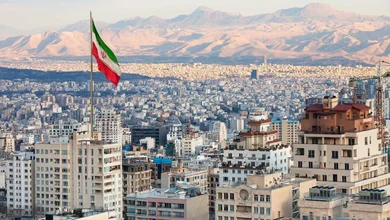
As US Vice President JD Vance headed to Pakistan for peace talks with Iran, a senior Iranian official has presented new conditions for the start of negotiations, adding to uncertainty about the sustainability of the ceasefire and the possibility of a long-term agreement.
Mohammad Bagher Ghalibaf, the speaker of the Iranian Parliament, stated in a post on the X network that two demands must be met before talks can begin: a ceasefire in Lebanon and the unblocking of Iranian assets frozen abroad.
He did not clarify which funds he was referring to, but many of Iran's assets in foreign banks have been frozen due to sanctions imposed by the United States and Western countries.
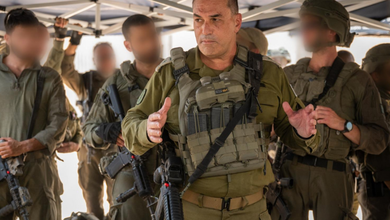
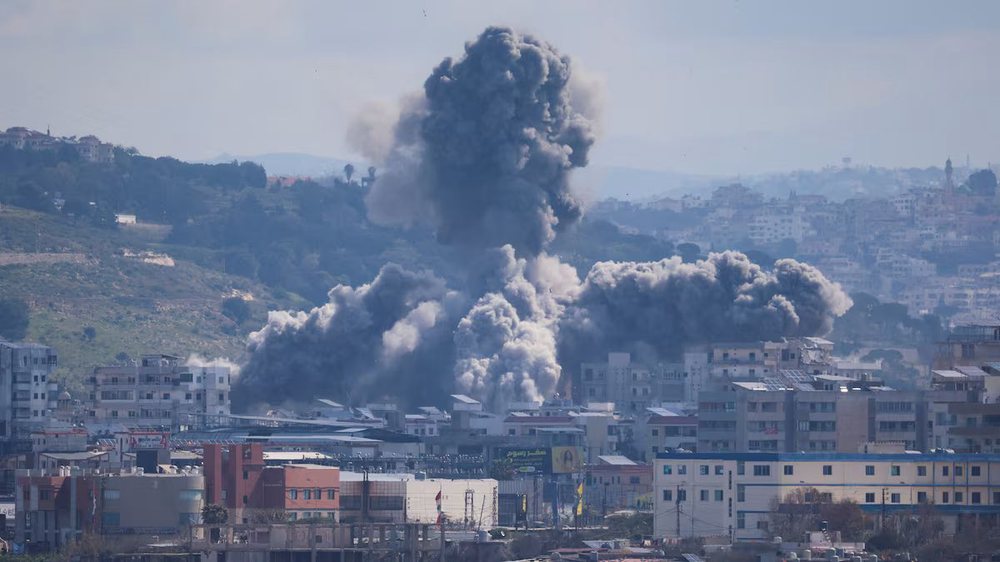
Meanwhile, Israel continued operations against Hezbollah in southern Lebanon on Friday, intensifying airstrikes on the Iran-backed militant group.
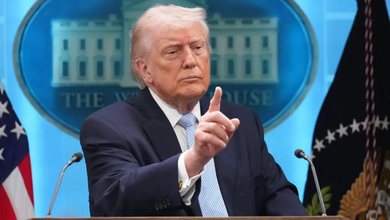
The attacks continued despite calls from US President Donald Trump to Israeli Prime Minister Benjamin Netanyahu to reduce the intensity of operations in Lebanon.
These developments have highlighted significant differences between the two leaders. Netanyahu has stated that Israel's objectives have not yet been achieved, while Trump appears interested in a deal with Iran that would end the war.
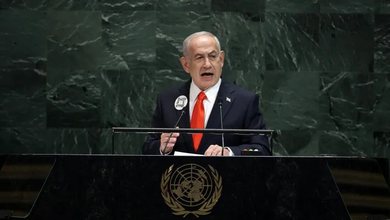
Under pressure from Trump and several European leaders, Netanyahu said Thursday that Israel would begin talks with the Lebanese government to disarm Hezbollah. But just hours later he vowed that attacks on the group would continue, declaring that “there is no ceasefire in Lebanon.”
On the other hand, a senior Hezbollah official rejected the idea of negotiations between Israel and Lebanon, emphasizing that the Lebanese government does not represent this organization.