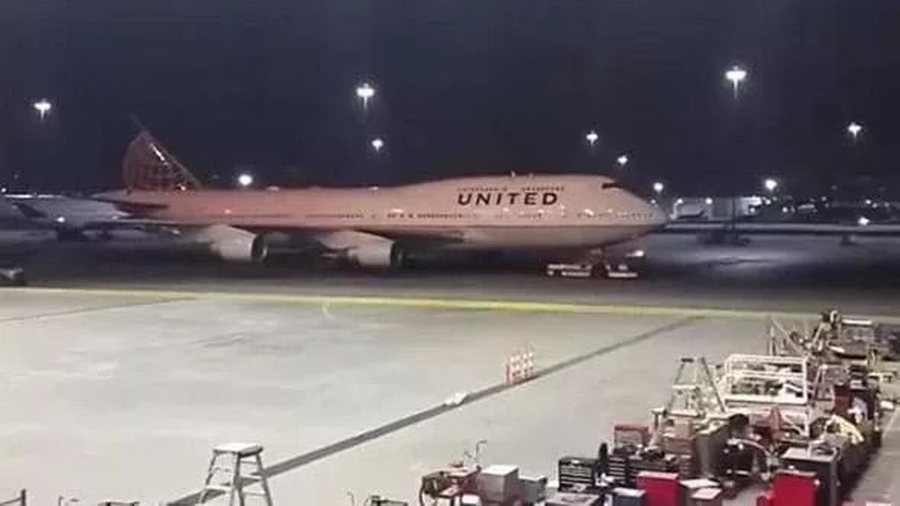
A double alert for a fuel shortage for jets has been raised in Europe, as tensions and military activity in the Middle East are hitting energy supplies.
ACI Europe, the association representing European Union airport operators, has warned the European Commission that if transit through the Strait of Hormuz does not resume in a sustainable manner within the next three weeks, a systemic shortage of jet fuel could become a reality in the EU. The warning was made in a letter to the European Commissioner for Transport, Apostolos Tzitzikostas, which was leaked by the Financial Times.
According to ACI Europe, jet fuel reserves are running low, while the impact of military activities is making supplies even more difficult. The organization also warns that the situation could worsen as the summer season approaches, when air transport becomes a key factor for tourism and the economies of many European countries.
Some Asian countries, such as Vietnam, have already started rationing jet fuel due to shortages. Europe has not yet seen widespread shortages, but fuel prices have doubled and some airlines have warned of the possibility of flight cancellations.
The director of the International Energy Agency (IEA), Fatih Birol, has also issued a warning. In an interview with Der Spiegel, he said that if the situation does not improve, Europe could face shortages of diesel and jet fuel in the coming weeks.
According to Birol, before the war with Iran, Europe imported a large part of these fuels from Middle Eastern refineries, but many storage facilities have been emptied in recent weeks. Without a rapid increase in global production, the situation could become critical for some European countries as early as May.
To save energy, Birol also suggested concrete measures, such as imposing a speed limit on German highways. According to him, a reduction of just 10 kilometers per hour could reduce national oil consumption by up to 6%.
He also proposed free or cheaper public transportation to encourage citizens to use private cars less.
According to estimates by the International Energy Agency, the energy crisis linked to the war and the blockade of Hormuz is not expected to end soon. At least 80 energy infrastructures in the Middle East have been damaged, and even in the event of a lasting ceasefire, it will take time to return to pre-war production levels. If the ceasefire fails and Iran blocks Hormuz again, Birol warns, the energy crisis could return to critical levels immediately.