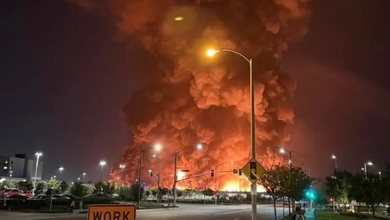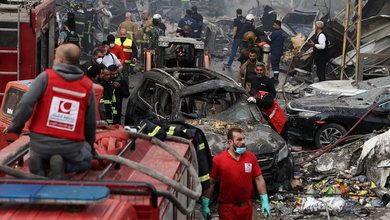
The US has only partially achieved its objectives in the war against Iran, while a fragile ceasefire is in place and the political, military and economic consequences remain unclear.
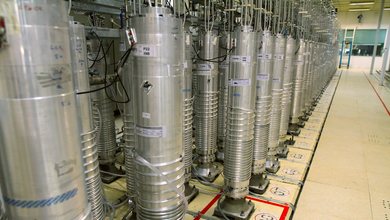
The main goal of the US administration was to stop Iran's ability to develop nuclear weapons. However, despite the attacks on the facilities in Isfahan, Fordow and Natanz, there is no clear evidence that Iran's nuclear program has been eliminated, as the country still possesses enriched uranium reserves.
In its analysis, the BBC writes that in political terms, the objective of regime change has not been achieved. Although senior figures have been eliminated, the leadership in Tehran remains in power and may even be more determined to pursue nuclear capabilities as a deterrent.
On the military side, the US claims to have severely damaged Iran's conventional capabilities, including missiles and drones. But these claims are contradicted by intelligence assessments that suggest Iran may have retained a significant portion of its arsenal.
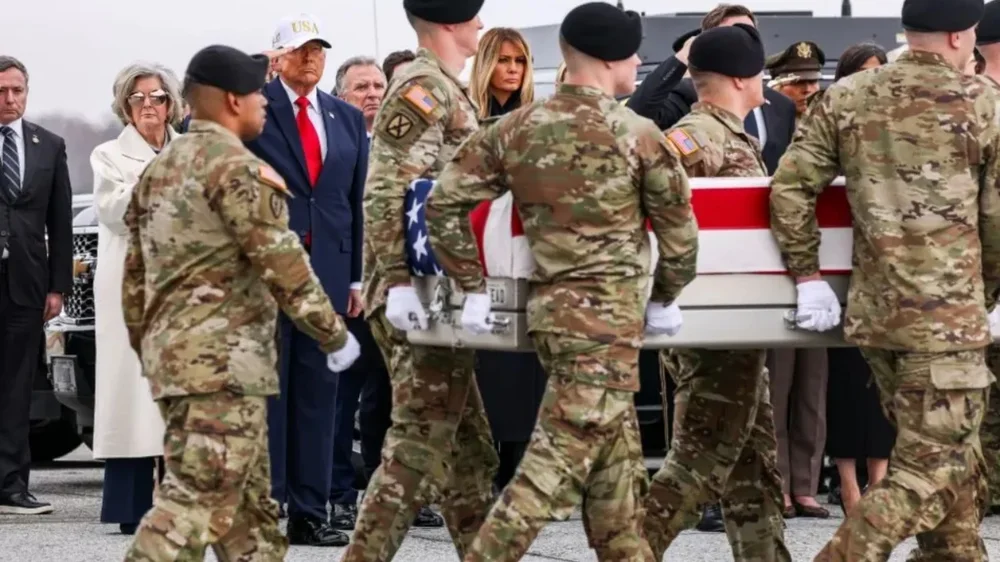
Meanwhile, the war has come at a significant cost to the United States. At least 13 American soldiers have been killed and hundreds wounded, with costs running at over a billion dollars a day. Domestically, the conflict has caused political divisions and a decline in public support.
The global economic consequences are also evident, especially due to tensions in the Strait of Hormuz, which have led to rising energy prices and are expected to affect the US economy and the upcoming elections.
In the international arena, the war has strained relations with allies, particularly within NATO, raising concerns about the US's credibility as a strategic partner.
Despite the administration's claims of military success, the overall analysis shows that the results are mixed, while the long-term solution, especially on the nuclear issue, remains dependent on diplomatic negotiations.
Top Channel