


For Kosovo, it would not be the first time that Russia has sought a stake in its destiny. From opposing NATO's intervention in 1999, to drawing comparisons to annexed Crimea and blocking international recognition, Moscow has consistently played the role of an opponent of its statehood. Today, when relations between the US and the EU are tense, this Russian influence risks becoming even more overt.
This week, Russian Foreign Minister Sergei Lavrov confirmed that Moscow has opened channels of communication with the United States on developments in the Balkans and is ready to deepen them. He also hinted that the Americans want to get involved as well.
"We have more opportunities to communicate with the US [than with the EU] about the Balkans – especially about Bosnia and Herzegovina and other countries in the region. Such contacts are continuing. They have not yet brought positive or clear results. But, we are open to these contacts and, as far as I can judge, our American colleagues are also ready to develop them," Lavrov said.
Radio Free Europe asked the US State Department whether the US is discussing with Russia about Kosovo, Bosnia or other Balkan countries, how it coordinates with Europe and how it assesses Moscow's role in the region, but has not received any response since January 20.
The European Union stressed that it could not confirm possible exchanges between third parties.
"The EU is the main political, economic and strategic partner of the Western Balkans and is fully engaged in the region," a spokesperson for the bloc told Radio Free Europe.
The acting government of Kosovo did not comment on Lavrov's statements, but Prime Minister Albin Kurti, at an event in Davos, warned of the indirect threat coming to Kosovo from Russia through Serbia - both states that do not recognize its independence.
"Anyone who helps our northern neighbor in its efforts to destabilize us causes problems for us as well. Our closest threat in this regard is the Russian Federation," Kurti said.
In the Western Balkans, Russia has an active role, mainly through its ties with Serbia and Republika Srpska in Bosnia and Herzegovina, while its influence in other countries, such as Montenegro, North Macedonia, and Kosovo, remains more limited and often indirect.
Through disinformation, pro-Russian media, and energy influence, Moscow aims to slow Euro-Atlantic integration, increase instability in the region, and challenge US and EU interests.
The European Parliament has adopted several resolutions condemning these practices and calling for a coordinated response from the European Union and partner countries.
A report by the Kosovo Center for Security Studies, published in 2024, highlights that “one of Russia’s goals in the Western Balkans is to prevent Serbia from aligning itself with the West. One way to achieve this is to firmly support Serbia’s position on Kosovo and hinder the process of normalizing relations between Kosovo and Serbia.”
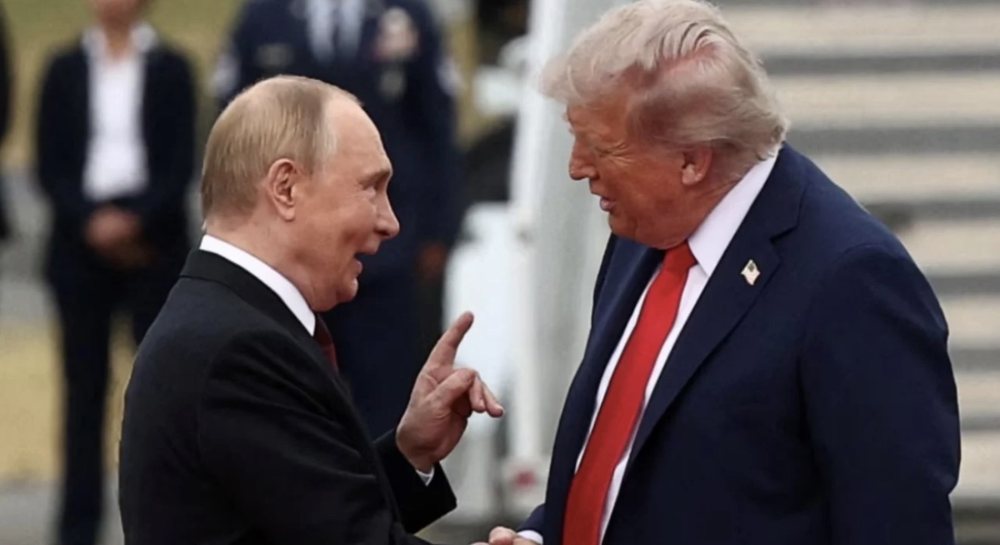
Recently, some of these obstacles have begun to ease, especially after the meeting between US President Donald Trump and Russian President Vladimir Putin last year in Alaska, as well as subsequent talks between officials from both countries to find a way out of the conflict in Ukraine.
Many European leaders, for their part, have taken a tougher stance and shown no signs of easing up on Russia. But transatlantic relations have also been strained by a range of other issues – from the situation in Gaza to American ambitions for Greenland – making the international scene more unpredictable than ever.
"I love Europe and I want to see it do well, but it's not going in the right direction," Trump said at the World Economic Forum, held this week in Davos.
For Ivan Stradner, of the Foundation for Defense of Democracies in Washington, the transatlantic rift is a “dream come true for Moscow,” as it gives it the opportunity to exploit crises in the Balkans and hold Ukraine to account. Among the most vulnerable countries is Bosnia and Herzegovina.
"... because of different religious and ethnic groups. This creates a point of friction that Russia could exploit to escalate the crisis – with the help of Serbian leader Milorad Dodik – and then defuse the situation. It would use this as a bargaining chip, telling the West that if it doesn't want the conflict to spread further, it needs to negotiate with Russia," Stradner told Radio Free Europe's Expose program.
Charles Kupchan, of the Council on Foreign Relations in Washington, says Russia wants to portray the US as a real negotiating partner and the EU as irrelevant. He sees transatlantic division as extremely dangerous and counterproductive to containing Russia.
According to him, the lifting of sanctions against Dodik has brought the US position closer to Moscow's interests in Bosnia and Herzegovina - although the US State Department previously clarified to Radio Free Europe that this decision was made after the authorities of Republika Srpska withdrew a series of laws deemed unconstitutional.
Kupchan interprets Lavrov's statements as a signal of Washington's greater openness to Moscow, compared to Brussels, and as part of a broader pattern where American policy inadvertently coincides with Russian goals in the Balkans.
“Duke qenë se Dodiku është prorus dhe duke pasur parasysh se Rusia favorizon paqëndrueshmërinë në rajon – gjë për të cilën njihet edhe Republika Sërpska – kjo, në njëfarë mënyre, i vendos Uashingtonin dhe Moskën në të njëjtën vijë kur bëhet fjalë për Bosnje e Hercegovinën”, thotë Kupchan për Exposenë.
Kupchan vlerëson se dialogu i SHBA-së me Rusinë për Ukrainën është i nevojshëm, por paralajmëron se në Ballkan bashkëpunimi me Moskën duhet shmangur, pasi interesat e saj janë “diametralisht të kundërta” me ato amerikane.
“Partner kryesor i Amerikës në Ballkan është Bashkimi Evropian, jo Rusia. Për këtë arsye, ajo që duhet parë, është një bashkëpunim dhe diplomaci shumë më e intensifikuar mes SHBA-së dhe BE-së, edhe pse është e vështirë tani, duke pasur parasysh se marrëdhëniet SHBA-Evropë, në këtë pikë, nuk janë në një gjendje të mirë”, thotë Kupchan.
Ai beson se Kosova është në radarin e Trumpit dhe se administrata e tij do ta shtyjë Prishtinën dhe Beogradin drejt përparimit në negociatat për normalizimin e marrëdhënieve, por vlerëson se Rusia mund të përpiqet ta pengojë këtë proces, pasi “synon të ruajë unitetin pan-ortodoks në rajon”.
Sipas tij, Kosova duhet të jetë në gatishmëri ndaj përpjekjeve të mundshme ruse “për të ndezur trazira të reja”.
E, Stradner ndan një mendim më ndryshe – Kosova është pjesë e një tabloje më të gjerë gjeopolitike, por nuk përbën fokusin kryesor të Rusisë.
“Besoj se situata në Kosovë, sa i përket sigurisë, është më e mirë se disa vite më parë. Dhe, gjëja e fundit që duan tani Shtetet e Bashkuara është një përshkallëzim i pakontrolluar”, thotë Stradner.
Megjithatë, sipas Stradnerit, Kosova nuk mund të harrojë kurrë se në Serbi dhe Bosnje gjenden bastionet kryesore të ndikimit rus. Përveç lidhjeve politike, Moska disponon në këto dy vende edhe leva presioni dhe shantazhi – nisur nga kontrolli mbi energjinë dhe gazin, deri te ndikimi ekonomik dhe mediatik – të cilat përdoren për të ruajtur hapësirën e saj strategjike dhe për të influencuar rajonin.
"Kosova duhet të zhvillojë lidhje shumë më të ngushta me Bashkimin Evropian dhe të jetë jashtëzakonisht diplomatike dhe e mençur në qasjen e saj ndaj Shteteve të Bashkuara”, thotë Stradner.
Edhe BE-ja, sipas Stradnerit, duhet të tregojë lidership të vërtetë në Ballkanin Perëndimor, ku, deri më tash, nuk ka qenë edhe aq efektive.
Por, me fjalët e tij, është koha kur të gjithë jemi si ato “macet që ndjekin lazerin” – reagojmë pa pushim ndaj ngjarjeve që lëvizin shpejt, pa kontroll real dhe pa një ide të qartë se çfarë vjen më pas. Ndërkohë që drita na mban të mbërthyer në lojën e saj, bota nuk pret./rep