


By Eda Zari
Thousands of families, even today, find themselves in a hopeless vicious circle, struggling to open the files of the past, but what they find is merely a facade of transparency. The sheets covered in black ink are not “personal data protection”; they are the deliberate anonymization of the executioner.
This administrative censorship allows the persecutors to continue to live among us — invisible, untouchable — while the victims remain hostage to a truncated truth. (I hope anyone who interprets this as a conspiracy theory never experiences what a part of our society has experienced in their lifetime.)
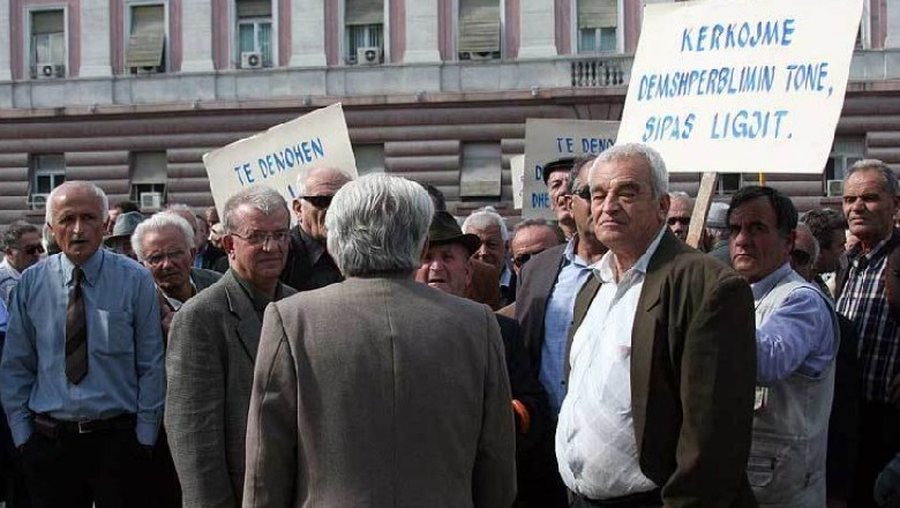
Beyond the crime of concealment, we are witnessing a macabre phenomenon: retraumatization through bureaucracy. The process of financial compensation — a moral and legal obligation of the state — has been transformed into an instrument of psychological torture. The elderly, sisters, brothers and descendants of the victims are forced to play a cynical game of hide-and-seek in the corridors of institutions.
The absurd demand for verifications, certificates, and archival documents — often for people the regime disappeared without a trace — is a typical example of what political sociology calls structural violence.
The state is applying a strategy of procrastination: waiting for biology to take its course, for the surviving generation to die out, so that the “file” will close on its own. Since 2013, the compensation process has been treated as a budgetary handout and not as a priority for justice.
It is absurd — even perverse — that the government finds funds for facade projects, but declares its inability to heal the financial and moral wounds of the crimes of communism. This bureaucracy is not negligence; it is passive complicity.