


The majority and the opposition have clashed again over Territorial Reform, while within the Democratic Party, clear signals of division are emerging between public statements and real positions.
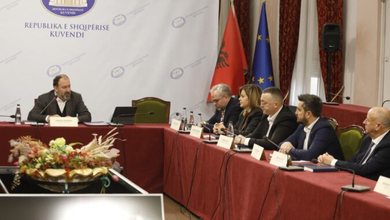
Taulant Balla has accused the DP of engaging in "political theater" instead of following institutional paths. According to him, if the DP parliamentary group has complaints about the meeting of the Mandates Council, it should file them according to the Rules of Procedure of the Assembly and not produce "ridiculous performances." Balla has defended the decision to wait for the Constitutional Court, arguing that the Assembly itself is also a party to the constitutional impasse.
On the other hand, Gazment Bardhi denied that the DP boycotted the meeting, stating that the absence of opposition MPs was related to other commitments and not to a political decision.
In the debate on the Territorial Reform, Bardhi has called for consensual processes and dialogue mechanisms "in the spirit of EU recommendations", accusing the majority of using the opposition only as a facade to legitimize unilateral decisions. He has warned that the changes aim at electoral interest and has recalled the 2014 reform as an example of harming local government and citizens.
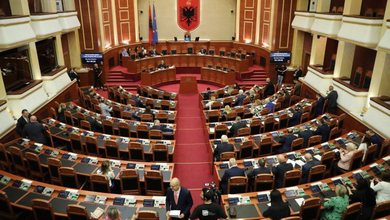
The Socialists have given the DP a “last chance”: another meeting of the Territorial Reform Commission on Monday. If the opposition attends, the composition of the commission remains unchanged; if it boycotts it again, the majority warns that it will vote on changes to the composition at Tuesday’s session.
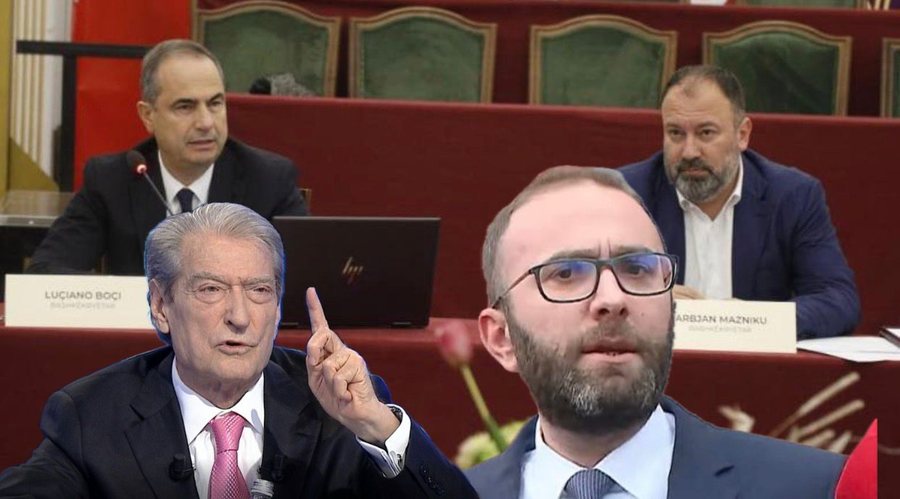
But the division within the opposition is becoming increasingly apparent. Tedi Blushi has stated that a boycott is not a solution, while Luciano Boci has asked for time for consultations and dialogue with the majority.
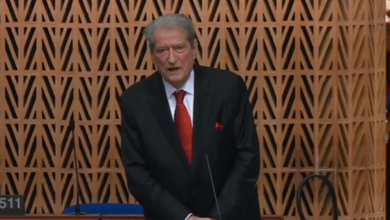
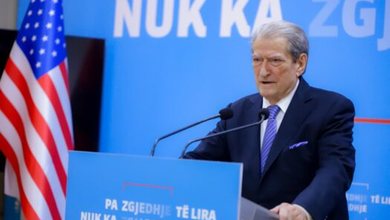
Meanwhile, Sali Berisha has publicly stated that the DP will not participate in the Territorial Reform Commission — a stance that contradicts Bardhi's statements of engagement and dialogue.
This raises a fundamental question: is Berisha changing his stance, or is Bardhi trying to soften a political decision that has already been made? For the moment, the DP seems torn between boycott and participation — a contradiction that risks further weakening its role in a key process for the country’s political and administrative map.