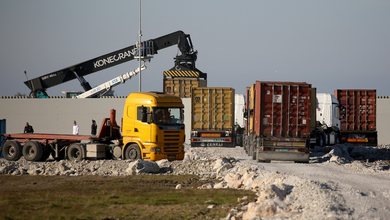



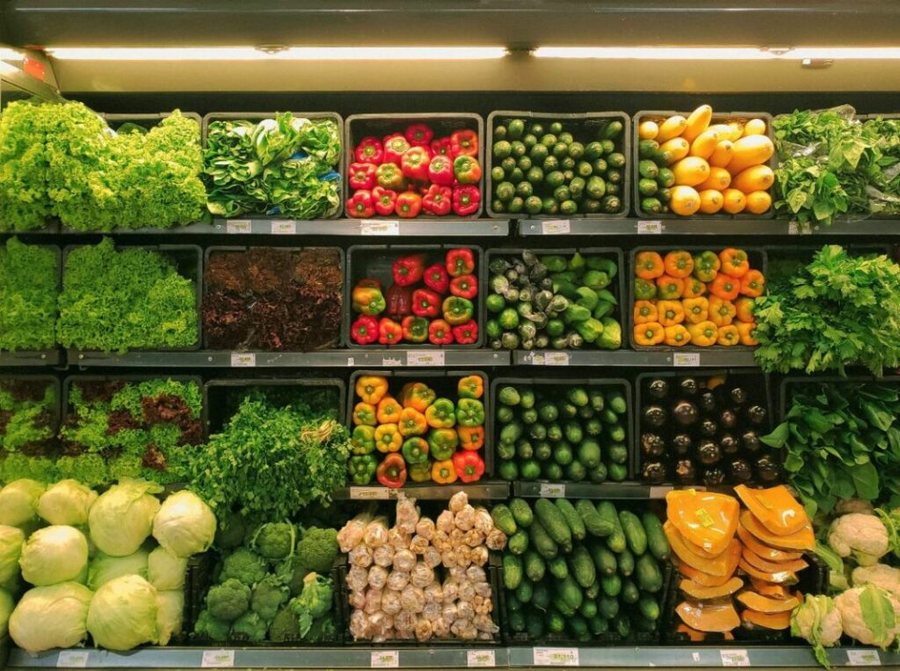
Imports of vegetables are growing rapidly year after year, dominating retail sales. In addition to replacing domestic production, they are also causing price increases in this group.
These days, the prices of fresh produce, pumpkins, broccoli, tomatoes and peppers have increased by up to 30 percent per kilogram compared to last January.
"Imported products are coming to the market at higher prices and are also affecting the increase in prices of domestic production," said a seller at the retail market at the "Dinamo Factory" in the capital.
In the retail market, a kg of pumpkin is traded at 380 lek per kg, an increase of 27% from January 2024. Peppers cost 330 lek/kg, an increase of 10%. Lemons, from 100 lek, are traded at 150-170 lek. Most vegetables cost between 250-300 lek/kg in the retail market.
INSTAT data shows that last year vegetable imports reached 69,428 tons, up 13.4% compared to the previous year, and increased by 101 percent between 2021-2025.
A very strong growth phase began in 2022. Imports reached around 42 thousand tons in 2022, 47.4 thousand tons in 2023 and marked a significant jump in 2024, to over 61 thousand tons. In 2025, they reached around 69.4 thousand tons, the highest level of the decade and almost double the average for the period 2015–2017.
I have been running the business for 7 years and I have never seen prices so high, says a trader who operates a market in the Paris Commune. He adds that prices have been increased by wholesalers. “I don’t care about having expensive prices, because I have high profits,” he says. Traders claim that one of the reasons for the price increase is related to the recent lack of imports from Turkey, with products coming from this country being a significant shock absorber of import prices.
More than 80% of vegetables, fruits and greens in local retail markets are imported. Potatoes and beans are coming from Egypt and Turkey, vegetables and fruits from Greece, dairy products and cereals from Serbia, Ukraine, North Macedonia, etc.
Food import channels have been re-awakened and are being intensified, further discouraging farmers and herders from practicing their profession. The depopulation of villages is shrinking the area under cultivation for some crops and, on the other hand, tourism is fueling the growth of demand for food products. To meet food needs, the country is turning to imports, which have been growing rapidly recently.
Emigration and the aging of the rural population have reduced domestic production capacity. Labor shortages and rising production costs have limited domestic supply.
After 2021–2022, rising input prices increased domestic production costs, making imports more economical for traders.
On the other hand, supermarkets and large chains require standardized supply, large and stable quantities, conditions that domestic production often does not consistently meet.
The weakening of the euro also favored imports, which are also penetrating rural areas where the aging population is unable to cultivate. /Monitor.al/