


The American magazine Brown Political Review has dedicated an article to the virtual minister “Diella”, raising concerns over the fact that the agency that created her is under accusation of corruption. The article states that “Diella”, originally conceived to manage the e-Albania platform, has been promoted by the Rama government as an “incorruptible” tool in the fight against corruption in public procurement.
The magazine notes that the virtual minister lacks clear oversight and accountability mechanisms, as she can be dismissed at any moment. According to the article, the system is controlled by the National Anti-Corruption Commission, an institution that reports directly to the prime minister and has previously faced problems in the justice system.
The analysis also highlights that “Diella” runs on American technology, such as Microsoft Azure and OpenAI models, which limits the Albanian state’s control over data and decision-making processes. The article also highlights that Albania has not yet implemented the European Union’s Artificial Intelligence Act (2024), which requires transparency and independent oversight for high-risk systems.
Full Article:
Albania's youngest cabinet member is pregnant... with 83 babies. But don't worry, she's not human. Meet Diella, Albania's "minister of artificial intelligence."
Diella was “born” on January 19, 2025, with the task of managing Albania’s “e-Albania” platform, which digitally provides over 1,200 public services to Albanian citizens. From completing school registration to filling out job applications, Diella can help. Since its launch, Diella has stamped 36,000 documents, increasing access to bureaucratic services.
On September 11, 2025, Prime Minister Edi Rama officially appointed Diella to a new role – Minister of Artificial Intelligence. Her appointment makes Diella responsible for Albania’s multibillion-dollar public procurement process, in which the Albanian government buys goods and services from the private sector. Public procurement is a hotbed of government corruption in Albania: The country scored 42 out of 100 on the 2024 Corruption Perceptions Index, which rates countries on corruption in their public sector. By evaluating each tender, assessing its merits and deciding whether or not to award a contract to the private firm seeking the tender, Diella is supposed to prevent corruption in public procurement, an issue that has plagued Rama’s government.
For Rama, Diella’s “incorruptibility” is a key mechanism for joining the EU by 2030, a major campaign promise of Rama’s that has been hampered by Albania’s decades-long struggle with corruption. In recent years, Albania has moved closer to EU membership, needing only to meet a final set of political criteria, the fundamentals, which include forms of public procurement.
Rama’s use of Diella as an anti-corruption measure has been touted as a revolutionary innovation. After all, Diella is the first artificial intelligence system to serve in a country’s cabinet. However, while Diella’s stated goal is to curry favor with the EU by eliminating corruption and advancing the role of technology in government, her appointment acts more as a propaganda tool for Rama’s administration. As Diella’s parliamentary presence expands with the announcement of her children, Rama risks creating an unchecked political entity that could influence government policy. Diella’s lack of oversight, dependence on American technology firms, and undemocratic ties to Rama’s Socialist Party instead threaten to compromise Albania’s path to EU accession and jeopardize the country’s long-term democratic development.
“As Diella’s parliamentary presence expands with the announcement of the birth of her children, Rama risks creating an uncontrolled political entity that could influence government policies.”
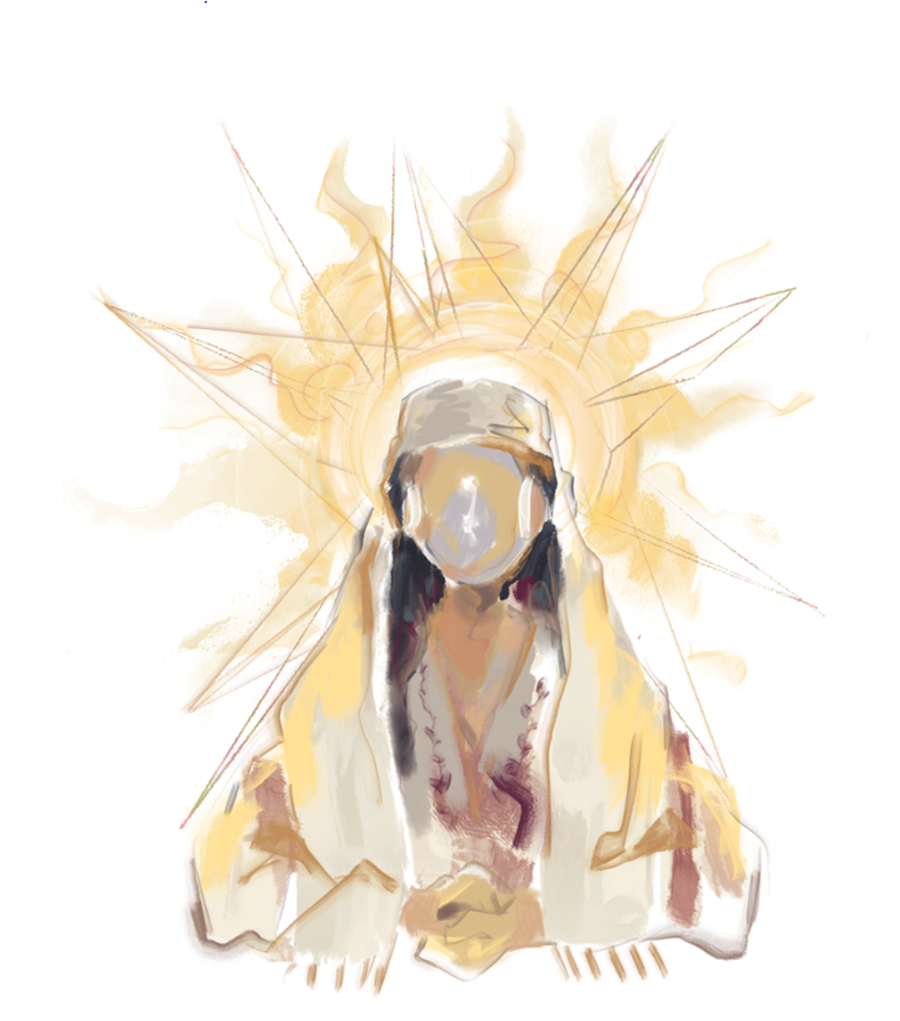
Diella, which means “sun” or “sunbeam” in Albanian, is depicted as a young woman in traditional Albanian dress, propagandizing the party’s desire to “eliminate corruption” as a national duty. Rama embedded Albanian nationalism within Diella’s visual display to signal a unified and traditional Albanian identity that predates globalization, paradoxically achieving this through a novel use of artificial intelligence.
Diella is presented as a force that provides accountability for Albania’s government, but no political mechanism holds it accountable. It cannot be dismissed; it is not real. So what happens if it makes a harmful decision? Artificial intelligence models also exhibit biases based on their decision-making data, and Diella’s data is not disclosed. Diella’s model was developed by Albania’s National Agency for the Information Society (AKSHI), which reports directly to Rama. Biased training data and other design choices, as well as a lack of transparency, turn Diella into a political tool that is likely to reduce accountability for Rama and his Socialist Party allies rather than provide a source of neutrality as an independent actor. With AI at the helm, any blame for corruption in public procurement could be shifted from Rama’s administration to Diella.
“With Artificial Intelligence at the helm, any blame for corruption in public procurement can shift to the Rama and Diella administration.”
While Diella raises concerns about data privacy and obscures political neutrality, what is known is that its model is built using foreign technology, another challenge to holding Diella accountable. Diella runs on Microsoft Azure with OpenAI models, both American platforms. While AKSHI provides Albanian government data, Diella’s decision-making is determined by American technology, making it dependent on the United States to adequately protect sensitive information. The Albanian government cannot monitor the decisions of these American tech firms in the way that it can monitor Albanian companies, as American tech companies remain largely outside the purview of the Albanian government.
Although Diella has been touted as an effective method for reducing corruption for EU membership, it does so by circumventing EU guidelines on artificial intelligence. The EU’s 2024 Artificial Intelligence Act outlines AI-related regulations that Albania currently does not follow, including the requirement to provide a summary of the content used to train Diella. Because Diella provides access to critical infrastructure, it is considered a “high-risk” system and must be overseen by an independent “competent national authority” that Albania has yet to establish.
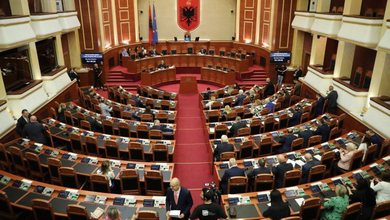
Moreover, Diella’s newly announced “children” are an internal threat to effective democracy because they privilege Rama’s Socialist Party. Diella’s 83 “children” will serve as assistants, recording legislative sessions and offering policy suggestions. But only 83 Socialist Party parliamentarians can have them, marking a clear party divide in which government officials can benefit from Diella’s help. As Diella becomes a minister and thus increasingly important in government, the gatekeepers’ access to her becomes democratically problematic. If Rama’s vision of technological progress excludes many of the politicians elected by Albanians, this dangerously skews the country’s political system in favor of the Socialist Party.
“If Rama’s vision of technological progress excludes many of the politicians Albanians have elected, this dangerously distorts the country’s political system in favor of the Socialist Party.”
Diella, in her ministerial role, is a microcosm of the Rama regime’s contradictory policies on democracy and corruption in Albania. Rama has served as Albania’s prime minister since 2013, winning reelection most recently in 2025. During those elections, which took place on May 11, Rama bussed Socialist Party workers to rallies in his support and stationed his supporters at polling stations, creating an image of widespread support to intimidate opposition voters. Before the election, he blocked TikTok on the grounds that it harms the mental health of young people, but this move, opposition leaders argued, was intended to silence dissent. Rama supports upholding the rule of law in Albania, an EU imperative. But his tactics of suppressing the opposition, including selective access to Diella’s babies, contradict any democratic gains.
For Rama, holding his party accountable risks losing the crucial support he needs to maintain a majority in Parliament, allowing him to be the sole governing prime minister. However, he can dismiss any of Diella’s opponents as opponents of his own fight against corruption, misrepresenting them as obstacles to Albania’s modernization. A crusade promoted against corruption through an innovative incorporation of AI into government processes gives Rama both the EU support he needs and the shiny facade to cover up the suppression of his opponents. Diella’s AI ministry looks set to be another chapter in Albania’s history of corruption, not an answer to it. In the meantime, observers will be waiting to see when her children take their first steps in Parliament.