After the Apollo program's historic moon landings in 1972, NASA canceled the mission due to rising costs and changing priorities.
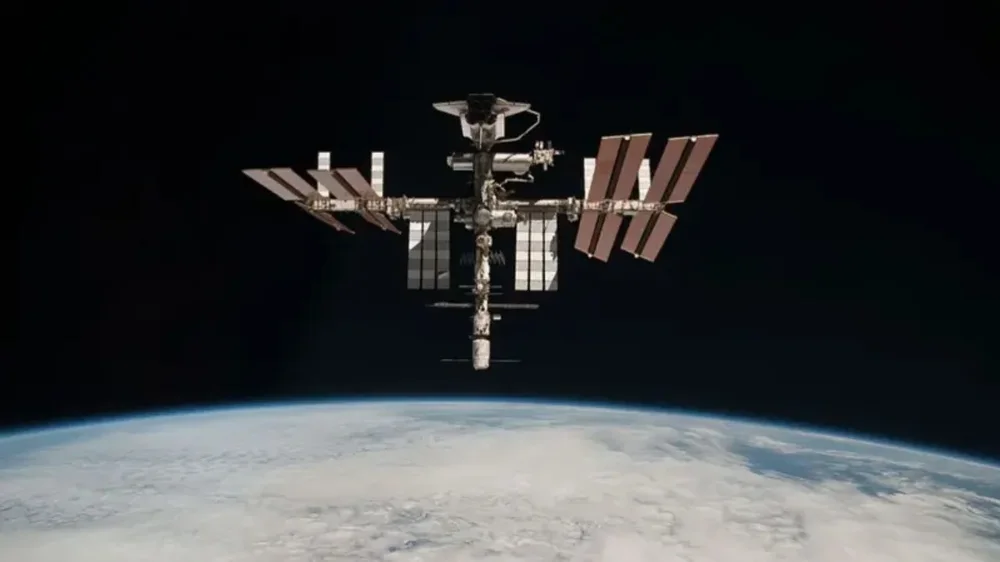
This led the agency in another direction, low Earth orbit, focusing on projects like Skylab, the Space Shuttle, and the International Space Station (ISS).
After the end of the Apollo program, high costs and funding shortfalls led NASA to change direction, dismissing the possibility of further missions to the Moon.
Instead, the focus was placed on projects closer to Earth, which were more affordable, but without also forgetting the ambitious goals for space exploration.
In 2005, NASA put the Moon back in focus with the Constellation program, which aimed to return to the Moon with the Orion spacecraft and new rockets. However, delays and cost overruns led to its cancellation in 2010.
The technology developed for Constellation was integrated into the Artemis program, which officially launched in 2017.
This program is intended to return humans to the Moon, with a landing originally planned for 2024. However, due to major delays, NASA has now postponed the mission to 2028.