


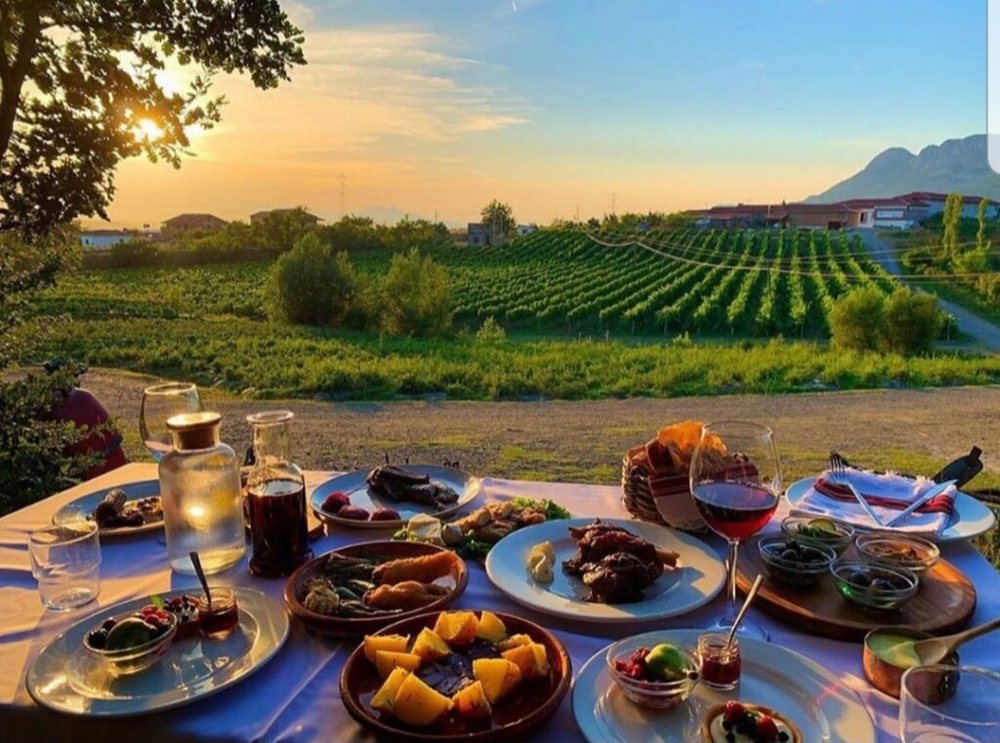
This year, agrotourism showed greater stability than classic tourism, not wavering in the same proportions, in the summer months. Agrotourism entities accept that the tourist who is visiting them is a quality tourist, who has no problem paying when what he receives is satisfactory. The model of authenticity and national identity is proving to be a magic "recipe" for more visitors who are expected to increase next year as well. Of course, to guarantee long-term sustainability, representatives of agrotourism entities state that there must be a unification of the vision between the two sectors - tourism and agrotourism - in order to build a common brand that strengthens each other. Challenges remain on the rise, but the entities have overcome thinking locally by emphasizing the need to adapt to the path towards EU integration.
Agritourism has become the most sustainable tourism model, growing quietly year after year, with modest but safe figures.
As the only segment that does not fluctuate in any season, it seems to have found the magic "recipe" that customers and visitors love with persistence. In a completely untrodden terrain, only a few entities would risk building many years ago that journey that is showing greater stability than classic tourism.
The year 2025 is defined by a positive performance attributed to the consolidation of entities that are constantly expanding, becoming more creative, and reflecting on the demands that their visitors make.
Of course, sector operators admit that not everything is perfect, but in a series of challenges such as rising costs, the emptying of rural areas, and the acute shortage of labor, they are revitalizing the local economy that today still keeps those residents and farmers who do not want to leave the village connected.
It is a space that offers them a market for the products they produce and an example that can perhaps be followed by others to create a chain effect.
Agrotourism versus classic tourism, which tourists pay more
The overall performance of tourism this year has been questionable, and despite increasing visitor numbers, tourism operators complain of lower revenues.
In fact, today in conversations with those who offer classic tourism, i.e. a hotel structure on the coast or in the capital, and with an agritourism operator, what you hear is a different picture.
The former say that there are tourists but they don't pay, the latter that tourists are becoming aware of what agritourism offers and are willing to pay for a quality product.
Of course, the weight of the latter in relation to the former is modest, but its social aspect is sensitive as it develops mainly in rural areas where opportunities are few and local economies are poor.
"Year after year, the trend is for more diversity in nationality. Both foreigners and locals have contributed to that growth that we are talking about. What I am noticing now is an increase in quality visitors, in the sense that they want good service and pay for it."
"So, there are clients who demand a lot and are willing to pay for what they want," says Fundim Gjepali, from Agroturizëm "Gjepali". According to him, costs have been increasing continuously and prices have not changed at the same pace, but it will inevitably remain the same for a long time.
On the other hand, Altin Prenga from the agrotourism "Mrizi i Zanave" says that the year 2025 shows a growing trend, because it offers what visitors really want and is constantly investing in improvement.
"The trend and demand that people have for visiting agritourism is very good. It has been a year of growth, confirming visitors' interest in the authentic and traditional," he says.
The need to move forward with a shared vision with an emphasis on identity
While classic tourism experienced fluctuations during the summer, agritourism did not suffer the same shock, showing greater resilience.
Representatives of agrotourism entities express that it is valuable for tourism and agrotourism to move forward with a common vision by strengthening the brand around what is proving to be the point of success, which is in fact the authentic offer and national identity. If this does not happen, as part of a chain, the poor performance of one may drag the other down.
"Everyone, not just agrotourism, must work to ensure that this growth continues, even though they have assigned this part of identity and tourism to us. Identity is from the center of Tirana to Chameria."
This is not just a matter of branding. We need to unify thinking and vision.
Promotion and advertising for Albania invite and bring back tourists, but we must respond appropriately and not work from the flow, that is, today for today, without thinking about tomorrow.
These cases that see it this way harm us all. If it is not worked with identity, it is not tourism. If you do this work not because you love it, but because you want to profit from the moment, this will shake the sustainability we are talking about”, – says Mr. Prenga.
The tourism and agritourism market is in a continuous test that is repeated every year, where some operators consolidate and grow while others fluctuate and close. This, according to Mr. Gjepali, is a transitional phase that will be clarified very soon.
"Unlike traditional tourism, agritourism is managed by families and this helps this sector have special features, more dedication and better quality service."
Mendoj se kjo fazë që po vjen është ajo e selektimit për të gjithë sektorin si për turizmin dhe agroturizmin pra do të bëhet diferencimi i qartë mes atyre që po punojnë mirë dhe kanë standard dhe atyre që nuk e ofrojnë këtë, ose ofrojnë më pak sesa reklamojnë.
Në dy-tre vitet e ardhshme, mendoj se do të konsolidohet ajo bërthama e vendeve që kanë bërë një punë shumë të mirë. Do të kemi, mendoj, një panoramë më të qartë të agroturizmit dhe turizmit”, nënvizon z. Gjepali.
Sfidat e agroturizmit, nga kostot tek e ardhmja e integrimit në BE
Kostot në rritje të vazhdueshme dhe braktisja e tokës në zonat rurale janë dy aspektet që po ushtrojnë presion të vazhdueshëm mbi agroturizmet në tërësi. Por duket se një pjesë e mirë e tyre e shohin këtë si diçka të pashmangshme.
Një pjesë e mirë e tyre tashmë po mendojnë përtej sfidave lokale, në kushtet kur integrimi i vendit në Bashkimin Europian është pjesë e së përditshmes që diskutohet gjerësisht.
Pavarësisht sesa e largët duket ajo ditë, këto biznese po mendojnë për atë që do të duhet të përballen. Për z. Prenga, këto subjekte duhet të trajtohen me protokolle të diferencuara, ashtu siç ndodh kudo në Europë për biznese të ngjashme.
“Sfidë kemi çdo ditë po ajo që shoh në horizont, në vazhdim, është mënyra se si do të mund përshtatemi për procesin e integrimit në Bashkimin Europian.
Standardizimi që do të kërkojë kjo, pasi ne jemi të vegjël. Duhet parë me kujdes sepse edhe në BE, prodhimi artizan dhe elementet që lidhen me ne si agroturizme, ka normativa të ndryshme nga biznesi. Nuk mund të trajtohen me të njëjtat protokolle. Duhet adoptuar me normativa më të zbutura, njëlloj siç i ka Europa”, – tha z. Prenga.
Ndërkohë edhe pse një sfidë në tërësi për ekonominë, sektorë të ndryshëm dhe subjekte të ndryshëm do të duhet ta përballojnë me presione të ndryshme këtë ndryshim. Duket se mënyra më e përshtatshme është ajo e nisjes graduale të asaj rrugë qysh në fillesa.
Të paktën kështu shprehet z. Gjepali, i cili nënvizon se ka menduar “europiançe” që në fillim të projektit. “Kam zbatuar të njëjtin model si në Europë dhe jo për t’u sajuar”, – shprehet ai.
Viti 2026, agroturizmi mbetet optimist për ecurinë
Viti 2026 ka më shumë optimizëm për subjektet e agroturizmit të cilët, të mësuar me rritje të moderuar, por të sigurt, presin të njëjtën tendencë. Kjo sigurisht bazohet tek interesi që të huajt vazhdojnë të kenë për Shqipërinë në përgjithësi dhe për kureshtjen e tyre për pjesën rurale të saj ku agroturizmet kanë “kultivuar” pjesën më të mirë të traditës.
“Besoj do të jetë një vit i mirë. Për ne është e rëndësishme të mos kemi rënie pra, ruajmë nivelin trendin me të cilin po mbyllim 2025.
Agroturizmi ka pjesë të tij klientët e zakonshëm që rikthehen shpesh dhe vizitorët kureshtarë që vijnë në Shqipëri. Të dy këto grupe vazhdojnë të kenë interes. Nuk shoh problem në vitin 2026, por e rëndësishme është ruajtja e kësaj qëndrueshmërie në afatgjatë”, – shprehet z. Prenga.
Mr. Gjepali is also in the same line, underlining that the climate that Albania offers and the price of good food still remains cheap compared to the West.
"I always think positively because from year to year we have been growing. Agrotourism in our country is still cheap for what it offers. European tourists know that good food, original rural life are paid much more expensively everywhere.
"Albania has a wonderful microclimate and I think all of these factors will continue to be key in the selection of those who visit us," he emphasizes./monitor