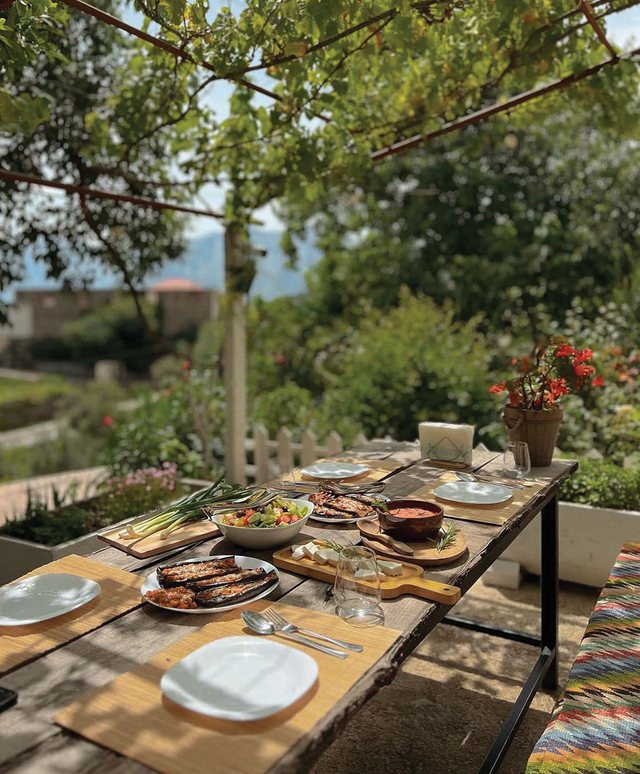



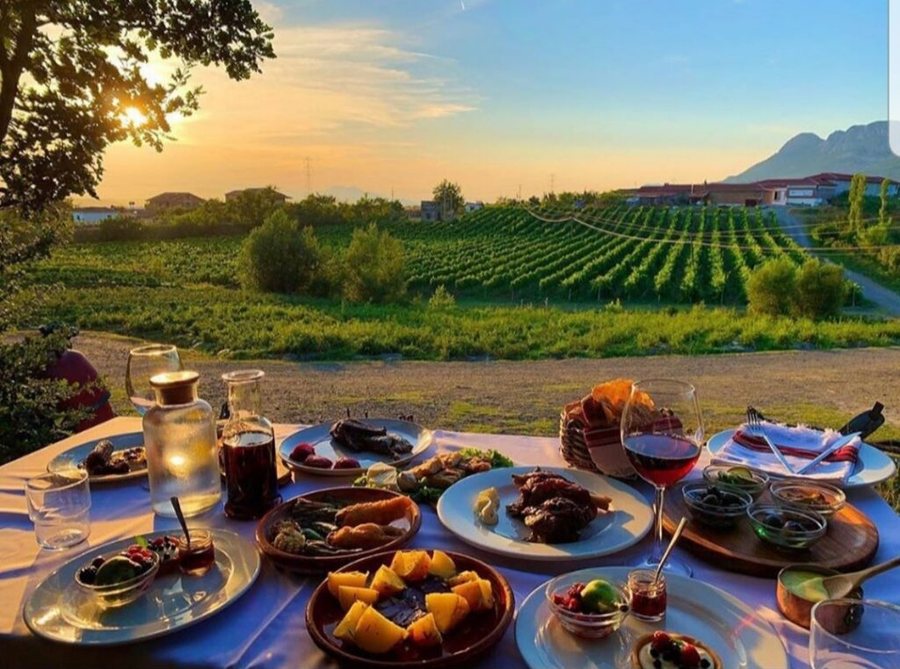
Agritourism has become the most sustainable tourism model, growing quietly year after year, with modest but safe figures.
As the only segment that does not fluctuate in any season, it seems to have found the magic "recipe" that customers and visitors love with persistence. In a completely untrodden terrain, only a few entities would risk building many years ago that journey that is showing greater stability than classic tourism.
The year 2025 is defined by a positive performance attributed to the consolidation of entities that are constantly expanding, becoming more creative, and reflecting on the demands that their visitors make.
Of course, sector operators admit that not everything is perfect, but in a series of challenges such as rising costs, the emptying of rural areas, and the acute shortage of labor, they are revitalizing the local economy that today still keeps those residents and farmers who do not want to leave the village connected.
It is a space that offers them a market for the products they produce and an example that can perhaps be followed by others to create a chain effect.
Agrotourism versus classic tourism, which tourists pay more
The overall performance of tourism this year has been questionable, and despite increasing visitor numbers, tourism operators complain of lower revenues.
In fact, today in conversations with those who offer classic tourism, i.e. a hotel structure on the coast or in the capital, and with an agritourism operator, what you hear is a different picture.
The former say that there are tourists but they don't pay, the latter that tourists are becoming aware of what agritourism offers and are willing to pay for a quality product.
Of course, the weight of the latter in relation to the former is modest, but its social aspect is sensitive as it develops mainly in rural areas where opportunities are few and local economies are poor.
"Year after year, the trend is for more diversity in nationality. Both foreigners and locals have contributed to that growth that we are talking about. What I am noticing now is an increase in quality visitors, in the sense that they want good service and pay for it."
"So, there are clients who demand a lot and are willing to pay for what they want," says Fundim Gjepali, from Agroturizëm "Gjepali". According to him, costs have been increasing continuously and prices have not changed at the same pace, but it will inevitably remain the same for a long time.
On the other hand, Altin Prenga from the agrotourism "Mrizi i Zanave" says that the year 2025 shows a growing trend, because it offers what visitors really want and is constantly investing in improvement.
"The trend and demand that people have for visiting agritourism is very good. It has been a year of growth, confirming visitors' interest in the authentic and traditional," he says.
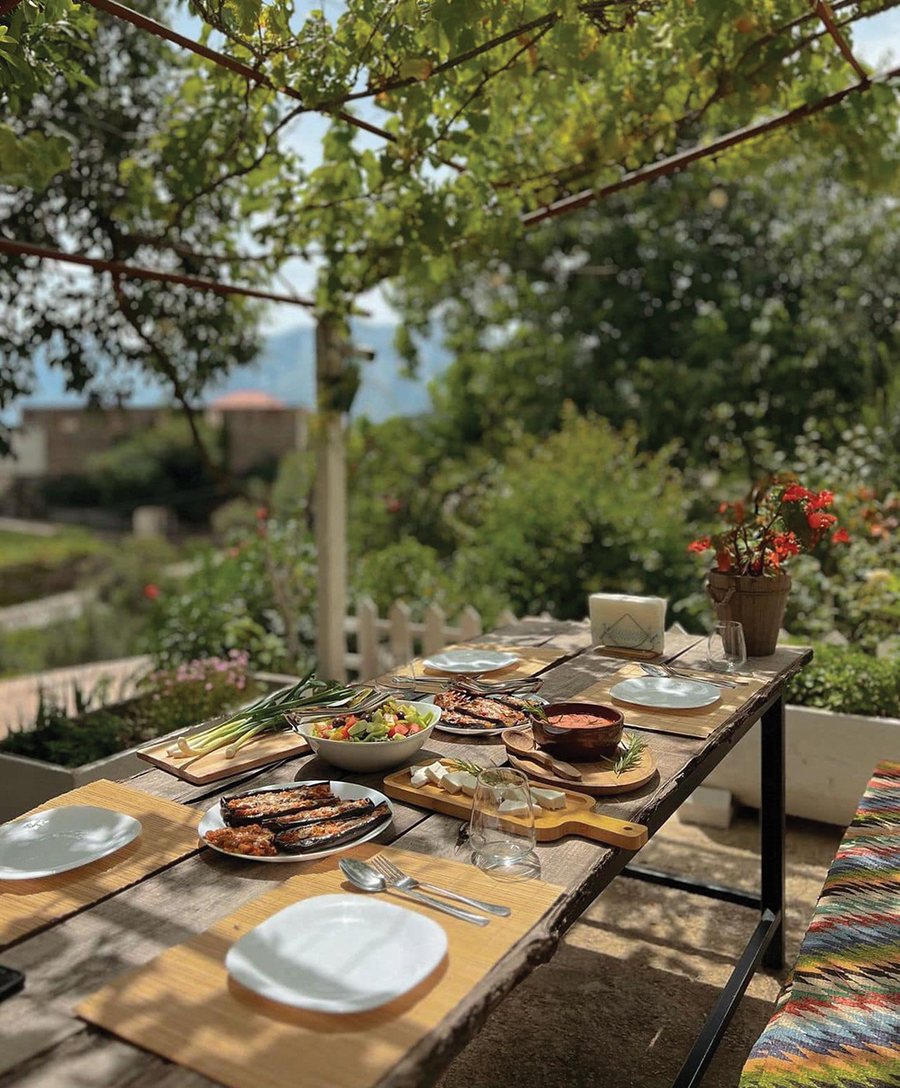
The need to move forward with a shared vision with an emphasis on identity
While classic tourism experienced fluctuations during the summer, agritourism did not suffer the same shock, showing greater resilience.
Representatives of agrotourism entities express that it is valuable for tourism and agrotourism to move forward with a common vision by strengthening the brand around what is proving to be the point of success, which is in fact the authentic offer and national identity. If this does not happen, as part of a chain, the poor performance of one may drag the other down.
"Everyone, not just agrotourism, must work to ensure that this growth continues, even though they have assigned this part of identity and tourism to us. Identity is from the center of Tirana to Chameria."
This is not just a matter of branding. We need to unify thinking and vision.
Promotion and advertising for Albania invite and bring back tourists, but we must respond appropriately and not work from the flow, that is, today for today, without thinking about tomorrow.
These cases that see it this way harm us all. If it is not worked with identity, it is not tourism. If you do this work not because you love it, but because you want to profit from the moment, this will shake the sustainability we are talking about”, – says Mr. Prenga.
The tourism and agritourism market is in a continuous test that is repeated every year, where some operators consolidate and grow while others fluctuate and close. This, according to Mr. Gjepali, is a transitional phase that will be clarified very soon.
"Unlike traditional tourism, agritourism is managed by families and this helps this sector have special features, more dedication and better quality service."
I think that this upcoming phase is one of selection for the entire sector, both for tourism and agrotourism, so there will be a clear differentiation between those who are working well and have standards and those who do not offer this, or offer less than they advertise.
"In the next two or three years, I think that the core of countries that have done a very good job will be consolidated. We will have, I think, a clearer picture of agrotourism and tourism," underlines Mr. Gjepali.

The challenges of agritourism, from costs to the future of EU integration
Constantly rising costs and the abandonment of land in rural areas are two aspects that are exerting constant pressure on agritourism as a whole. But it seems that a good part of them see this as something inevitable.
A good part of them are already thinking beyond local challenges, in conditions where the country's integration into the European Union is part of everyday life and is widely discussed.
No matter how distant that day seems, these businesses are thinking about what they will have to face. For Mr. Prenga, these entities should be treated with differentiated protocols, as is the case everywhere in Europe for similar businesses.
"We face challenges every day, but what I see on the horizon, going forward, is how we will be able to adapt to the process of integration into the European Union."
The standardization that this will require, since we are small. It must be looked at carefully because even in the EU, artisanal production and elements related to us such as agrotourism, have different norms from business. They cannot be treated with the same protocols. They must be adopted with more relaxed norms, just like Europe has them”, – said Mr. Prenga.
Meanwhile, although a challenge for the economy as a whole, different sectors and different entities will have to cope with this change with different pressures. It seems that the most appropriate way is to gradually embark on that path from the very beginning.
At least that's what Mr. Gjepali says, who emphasizes that he has been thinking "European" since the beginning of the project. "I implemented the same model as in Europe and not to make it up," he says.
Year 2026, agritourism remains optimistic about its performance
The year 2026 holds more optimism for agritourism entities who, accustomed to moderate but safe growth, expect the same trend. This is certainly based on the interest that foreigners continue to have for Albania in general and their curiosity for its rural part where agritourism has "cultivated" the best part of the tradition.
"I believe it will be a good year. It is important for us not to have a decline, so we maintain the trend level with which we are closing 2025."
"Agritourism has its share of regular customers who return often and curious visitors who come to Albania. Both of these groups continue to have interest. I don't see a problem in 2026, but it is important to maintain this sustainability in the long term," says Mr. Prenga.
Mr. Gjepali is also in the same line, underlining that the climate that Albania offers and the price of good food still remains cheap compared to the West.
"I always think positively because from year to year we have been growing. Agrotourism in our country is still cheap for what it offers. European tourists know that good food, original rural life are paid much more expensively everywhere.
"Albania has a wonderful microclimate and I think all of these factors will continue to be key in the selection of those who visit us," he emphasizes./Monitor.al/