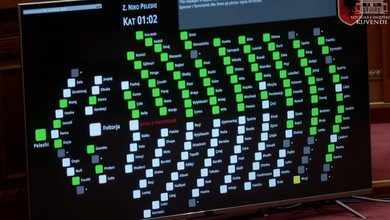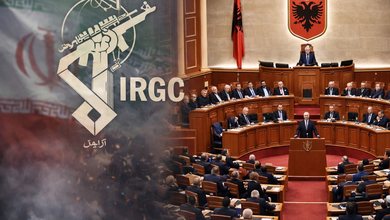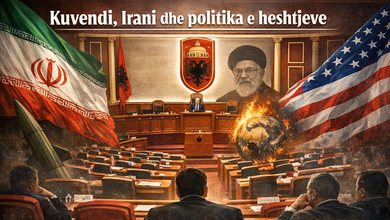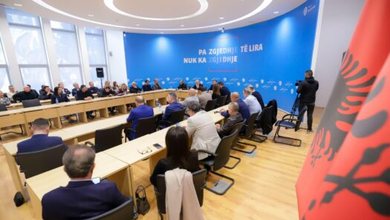


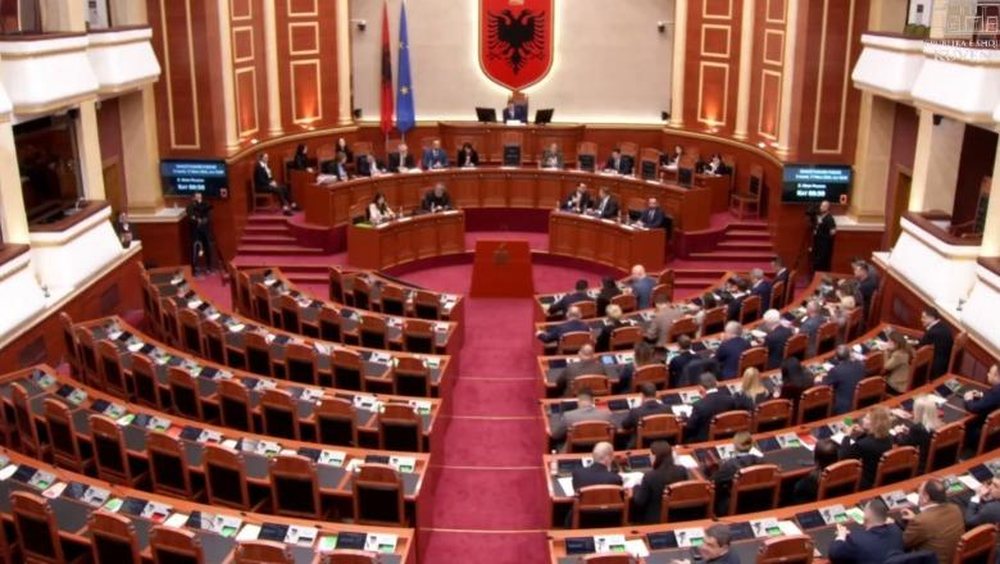
lIn a session that resembled more of an emergency scenario written behind the scenes than a normal parliamentary process, the Albanian Parliament has approved with 79 votes in favor the declaration of Iran as a state sponsor of terrorism. This decision catapults Albania as the second country in the world, immediately after the USA, to take such a step.
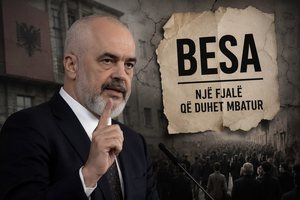
But, despite the "historical weight" of the decision, the Parliament hall witnessed a paradox: the absence of the man who declared this initiative as a national emergency, Edi Rama.
Last week, the Prime Minister presented this initiative in an almost alarming tone, but without giving any explanation as to why Albania had to rush right now, leaving even the European Union behind. Today, when the time came for the cartoons, the "director" was not in the hall. For a leader who leaves no opportunity without appearing as a protagonist of international relations, this absence is as meaningless as it is suspicious.
Along with her, the "apple of discord", Belinda Balluku, was also absent, who seems to have chosen silence and distance as she faces immunity from SPAK.
The Democratic Party did not participate in the session, calling the resolution a theatrical act that violates every parliamentary procedure. However, not all of the opposition stayed away.
Erald Kapri from the "Mundësia" Party was present, and described the move as a "servile act by Edi Rama" to lure internationals and divert attention from the "Balluku" crisis, but in the end he still voted in favor. Meanwhile, Redi Muçi from the "Lëvizja Bashkë" chose to abstain.
Interestingly, the return of Elisa Spiropali and Fatmir Xhafaj was also present. After "breaking" Rama's order and not showing up for the vote to protect Balluku from arrest, the pair appeared in the hall today to vote in favor of the anti-Iran resolution.
In the absence of the Prime Minister, the burden of defending the resolution fell on Taulant Balla and Igli Hasani. Both tried to legitimize the emergency by recalling the cyberattacks that crippled our state systems. According to them, Iran is not a distant geopolitical issue, but a present danger.
Rama's absence at the moment of voting on his diplomatic "masterpiece" raises the big question: Was this really a battle against terrorism, or simply a bargaining chip to buy calm in the face of the internal scandals that have exploded in his hand?