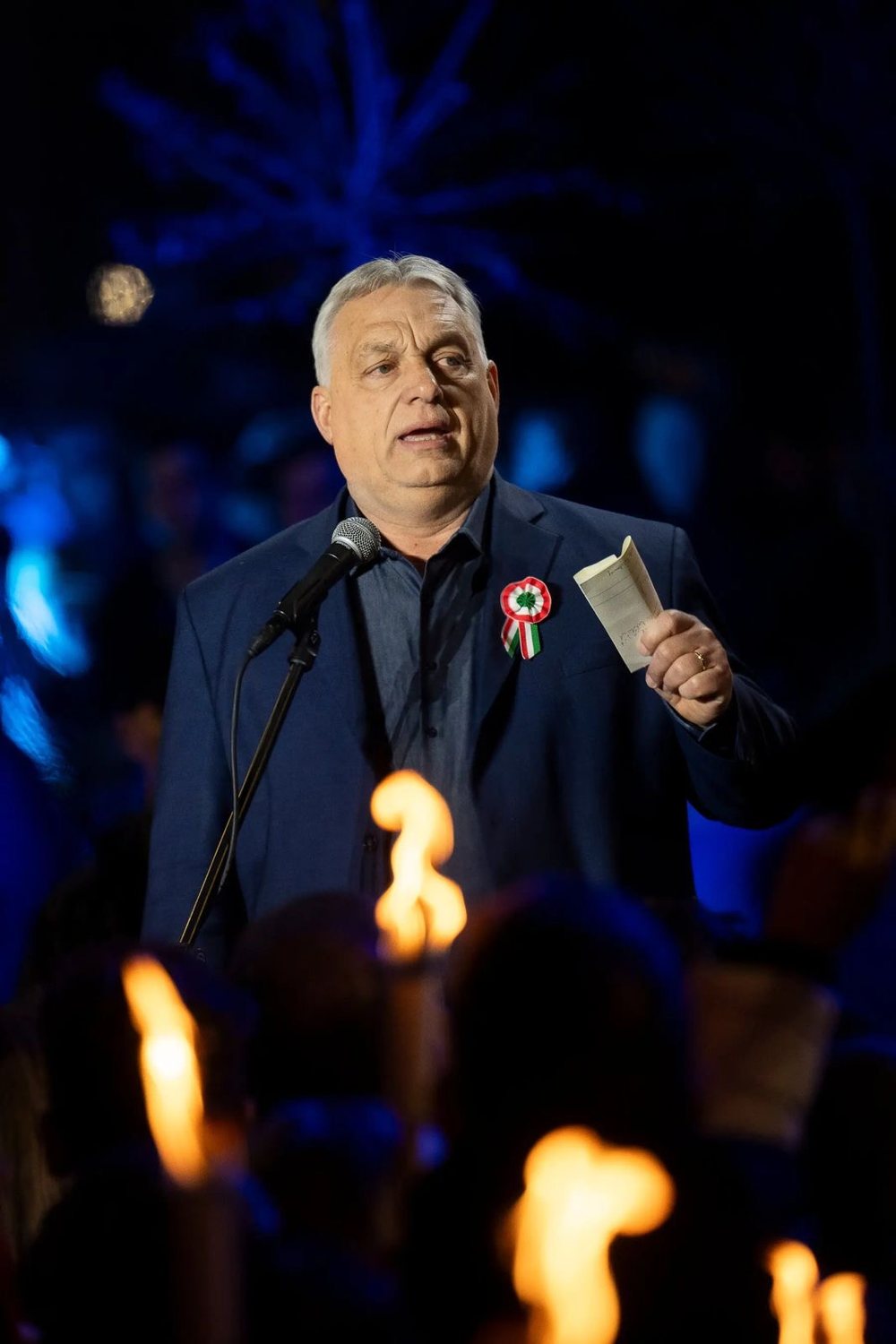
As Hungary prepares for general elections on April 12, international attention has focused on the role Russia may play in Prime Minister Viktor Orban's election campaign.
During the four-year war in Ukraine, the Hungarian government has been among the most vocal critics of European Union sanctions against Russia and has consistently opposed aid to Kiev. Most recently, Budapest blocked a major EU loan for Ukraine.
Analysts say Moscow seems determined to reward Orban, its strongest ally within the European Union, for this stance. Last month, Russian President Vladimir Putin hosted Hungarian Foreign Minister Peter Szijjarto at the Kremlin, assuring him that Hungary would continue to be supplied with Russian oil despite international tensions and an energy boycott by other EU countries.
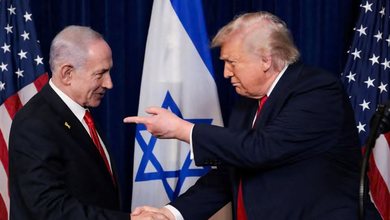
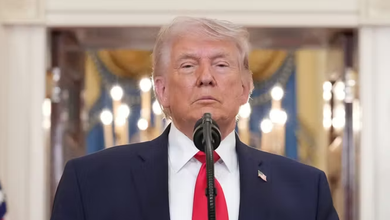
Meanwhile, US President Donald Trump has also given open support to Orban in this election race, while Vice President JD Vance is also expected to visit Budapest.
Unlike the classic cases of covert Russian interference in elections, in Hungary the cooperation between Orban's government and Moscow is seen as much more open. According to analysts, anti-Ukrainian messages and criticism of the European Union have become a central part of the ruling party's campaign, Fidesz.
Election posters depicting Ukrainian President Volodymyr Zelensky alongside opposition leader Peter Magyar have been put up across the country, with the slogan: "They are dangerous! Let's stop them."
The campaign has also been accompanied by new tensions. The Hungarian foreign minister recently suggested that Ukraine may have attempted to sabotage a gas pipeline supplying Hungary, a claim that has heightened opposition fears that the government is using the crisis to create a climate of alarm ahead of the vote.
Meanwhile, a phone recording published by a European media consortium has revealed a conversation between Szijjarto and Russian Foreign Minister Sergey Lavrov, in which the Hungarian diplomat is heard promising to try to remove a family member of Russian oligarch Alisher Usmanov from the EU sanctions list.
The April 12 elections are expected to be among the most important for Hungary in recent years, as for the first time in a long time Orban's party faces an opposition that is leading in some polls.