


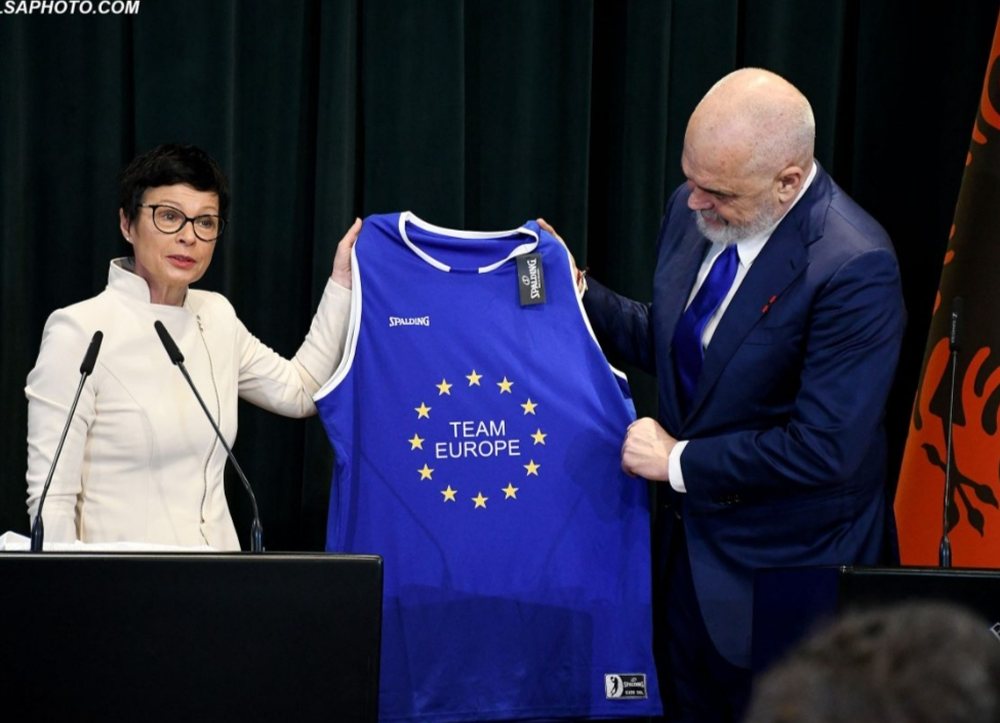
On Monday, the 7th Albania-EU Intergovernmental Conference was held in Brussels, marking the opening of the last group of negotiations within 12 months of the opening of the first group of chapters, which is the most important in the EU's assessments, as it is related to democratic standards and the rule of law.
The final chapters, titled "Resources, Agriculture and Cohesion", formally conclude the opening phase of 33 negotiation chapters, a step that, according to Prime Minister Edi Rama, seemed like a dream a year ago, but is now turning into a greater responsibility for Albania.
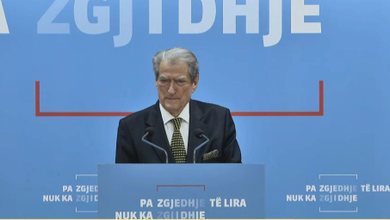
Rama, who won his fourth term in office in May, focused his entire campaign on the promise to conclude negotiations with the EU within this term.
But despite the fact that the opening of all chapters is considered an ambitious step for the Albanian government, for integration experts the process risks remaining technical and not translating into a transformative process for the country.
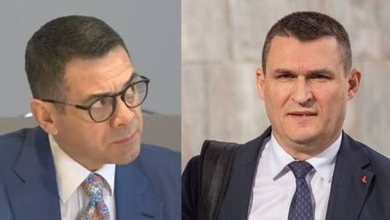
“The Albanian government sees integration as a medal, not as a transformative process,” Altin Gjeta, a political science researcher at the University of Birmingham, told BIRN. According to him, opening all the chapters is ambitious, but closing them successfully will be a challenge.
Gledis Gjepali, head of the organization “European Movement Albania”, sees the opening of all chapters as a positive assessment for Albania and recovery of lost time. But according to him, there is always a risk that the process will be better on paper than in practice and this is the challenge that the government will face in the next two years.
"Of course, the process risks looking good on paper, good reports, the formal part of the approximation of legislation is completed in record time, but if we get to the practical part of implementation, it will be very difficult for the European Commission or member states to accept this, as they are there to check that the standards have been achieved in the right way and sufficiently to show that the country has been substantially Europeanized," he told BIRN, commenting on the opening of the final chapters of the negotiations.
According to Gjipali, the very opening of the chapters in such a short time shows that there has been preliminary preparation, but as the criteria are met step by step, our country will be assessed for its ability not only to approximate legislation, but also to implement it.
From a technical point of view, according to him, at this point the negotiations continue with 'intermediate milestones' that are in some of the most important groups of chapters, such as the fundamental ones.
"We will be assessed for the fundamental chapters at the end of the year and this will affect all other chapters and will be the first test of how fast we are moving after the opening of negotiations," Gjipali added.
Gjeta also links the closure of negotiations in the technical aspect to the fundamental chapters related to the functioning of democratic institutions, "where Albania has significant problems."
On the other hand, he sees the EU enlargement process as deeply political, on the one hand Albania's willingness to formally meet the criteria and on the other hand the creation by Brussels of a "window of opportunity to integrate several countries as a message of strength and success in a time of geopolitical crises."
But, according to Gjeta, despite the advantage offered to Albania, the process will present problems in a long-term perspective.
"Albania is not negotiating anything; it is simply fulfilling the criteria according to the EU's negotiating position. The process risks being good on paper and untransferable in practice. Albania has not internalized the values of the EU. It has seen the process more as a form, as imitation and simulation than as a transformative act. This will confront it with challenges in the event of eventual integration within 5-7 years," he stressed.
Unlike Gjeta, Gjipali insists that it will be the EU itself and the member states that will ensure that the process does not remain merely on paper.
"There are a number of countries that have created problems for the EU after joining, and this makes them very cautious and demand rigorous implementation of all requirements, especially the rule of law, and then allow membership," he says, assessing that the next two years will be key to showing whether we have the right pace and the right quality to complete the reforms. /BIRN