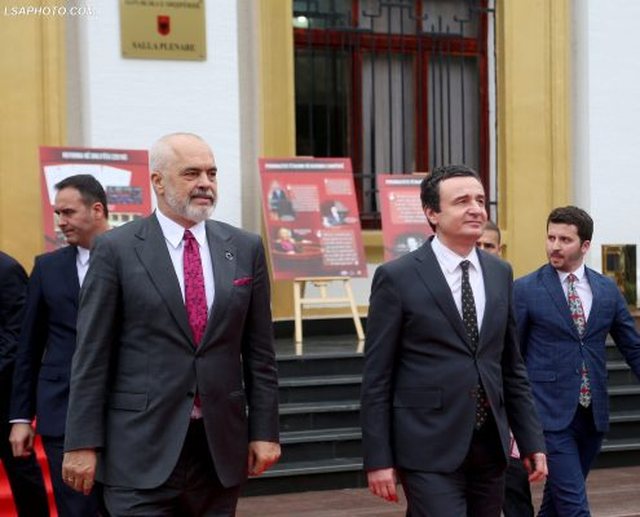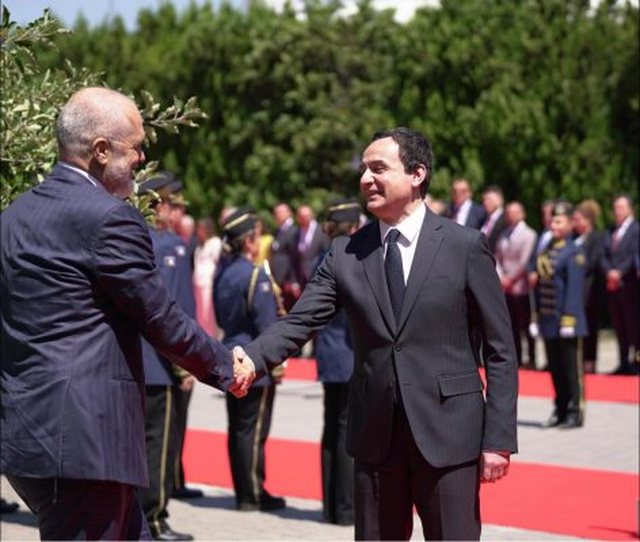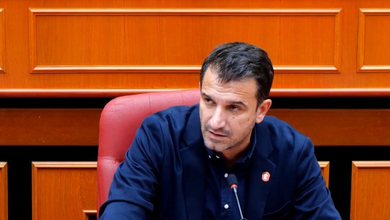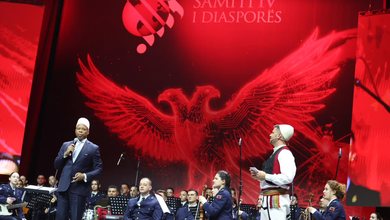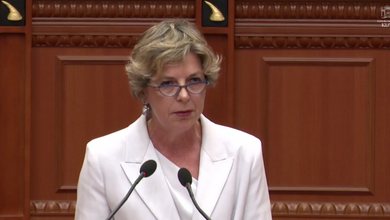


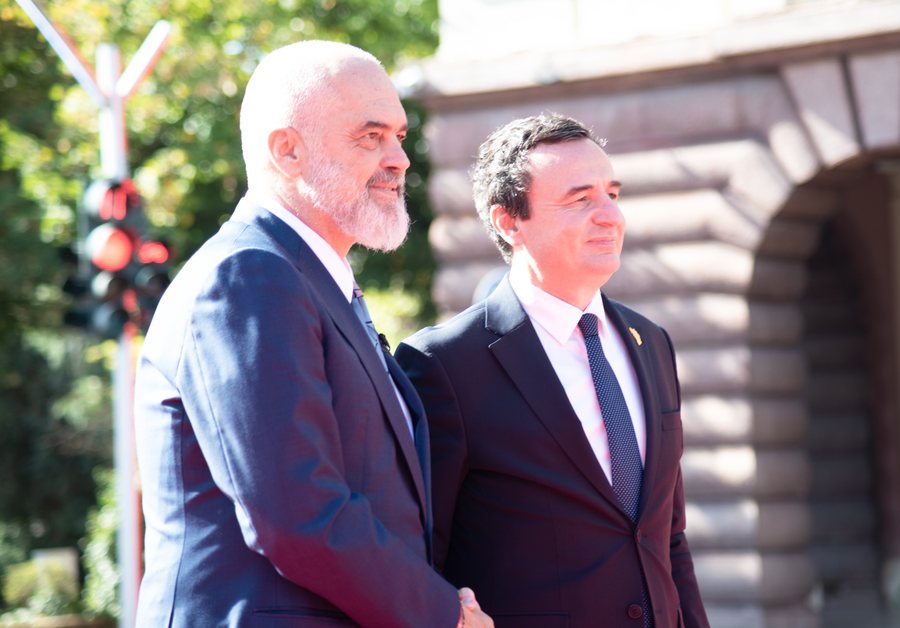
Kosovo's Prime Minister, Albin Kurti, and Albania's Prime Minister, Edi Rama, pursue different and distinct styles of governance, each with its own risks and benefits.
In the Western Balkans, leadership is defined less by concrete policy choices and more by fundamental philosophies of governance. Few contrasts are as stark today as the one between the prime ministers of Kosovo and Albania, Albin Kurti and Edi Rama. Although their countries share deep historical, cultural, and structural ties, these two prime ministers represent fundamentally different approaches to power: one emphasizes justice and institutional reform, while the other operates through political pragmatism and interest-based agreements.
At first glance, Kurti and Rama seem more similar than different. Both leaders lead parties that are nominally socialist or social democratic and run highly centralized governments, exercising strong control over many sectors, from foreign policy to urban development. Each governs, in essence, with an iron fist hidden under a velvet glove: maintaining outward democratic legitimacy while maintaining strong personal authority. In countries where institutions remain fragile and political fragmentation can quickly lead to paralysis, such a concentration of power is often justified as necessary for stability.
However, beyond this similarity lies a deeper difference in how each leader views the relationship between the state, the market, and the international system.
Both Kosovo and Albania face a number of familiar post-transition challenges. Corruption remains deeply entrenched, even as public discontent with it is growing. The rapid pace of construction, especially in urban centers, has raised questions about transparency, sustainability, and long-term planning. Poverty remains pervasive, especially outside the capitals, while a continuing brain drain is draining the region’s most valuable resource: its youth. Meanwhile, basic infrastructure — from water supply systems to stable electricity grids — lags far behind European standards.
Neither country can meet these challenges alone. Both are heavily dependent on foreign aid and will need significant foreign investment to modernize infrastructure and support economic growth. The question, therefore, is not whether they should engage with the outside world, but how.
International engagement: openness vs. restraint
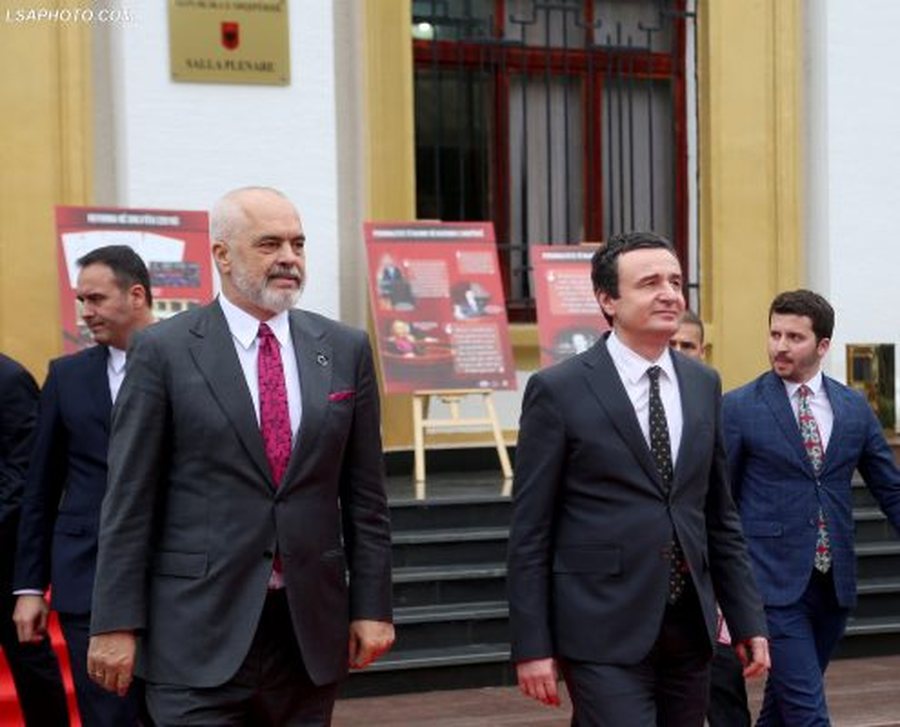
Edi Rama has chosen an open and very active approach to the international arena. He has built relationships with a wide range of global actors, from the European Union and the United States to Turkey and the Gulf countries. During his government, Albania has become an active player in regional diplomacy and a welcoming country for foreign capital. Rama's strategy is clear: to make Albania attractive, accessible and open for business, but always according to the conditions that he himself sets.
However, this openness is not unconditional. Major construction and development projects often have to align with his personal vision, including the engagement of internationally renowned architects and his direct approval of each major project.
Critics say this centralization risks strengthening clientelistic networks and blurring the line between public interest and political or personal control. Supporters argue that it brings coherence, quality, and speed — elements often lacking in more fragmented systems.
In contrast, Albin Kurti has taken a more cautious and sometimes defiant approach to international engagement. This is largely due to Kosovo’s unresolved status with Belgrade and the complications surrounding the Serb minority in Kosovo. Rather than actively seeking rapprochement with foreign powers, he has often emphasized sovereignty and principles, which has often strained relations with key allies. His political identity is built on an early commitment to justice, especially in the fight against corruption and the dismantling of old power networks.
At the heart of Kurti’s agenda is a determination to sever ties between Kosovo’s political elite and business oligarchs. This effort, while widely welcomed in principle, has had noticeable economic consequences. By imposing tighter controls on businesses and challenging practices that were previously considered commonplace, his government has created a level of uncertainty that investors tend to avoid. In an effort to create a more level playing field, Kurti has also slowed the pace of the game itself.
Pragmatism vs. principles
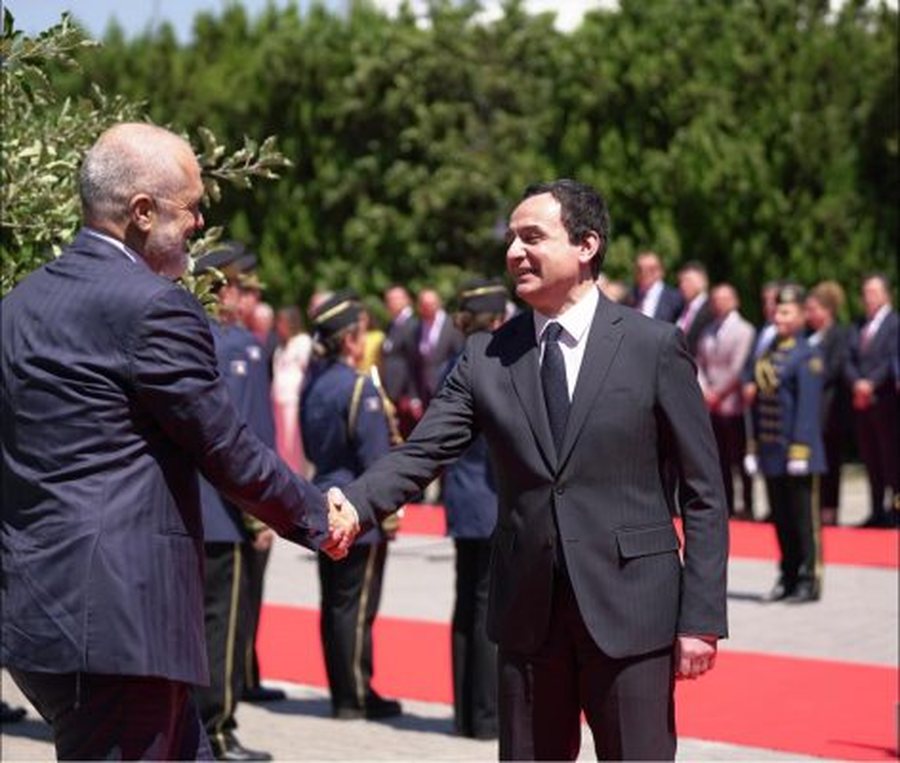
The contrast between Edi Rama and Albin Kurti reflects a classic debate in international politics and political economy, often associated with the figures of Henry Kissinger and Zbigniew Brzezinski in the United States. Kissinger's approach prioritizes stability and balances of power, accepting compromise and cooperation even with problematic actors if this serves the strategic interest. Brzezinski, while realist about the nature of power, emphasizes more the values, legitimacy, and long-term effects of political systems.
Në këtë këndvështrim, Rama i afrohet më shumë një logjike kissingeriane. Gatishmëria e tij për të bashkëpunuar gjerësisht, për të bërë marrëveshje dhe për t’i dhënë përparësi përfitimeve ekonomike pasqyron bindjen se zhvillimi dhe stabiliteti mund — dhe duhet — t’i paraprijnë reformës së thellë institucionale. Nëse investitorët e huaj janë të gatshëm të ndërtojnë, ai i mirëpret, edhe nëse procesi ngre pyetje të pakëndshme për qeverisjen. Fillimisht rritja ekonomike; llogaridhënia më vonë.
Kurti, ndryshe nga kjo, i afrohet më shumë një qasjeje brzezinskiane. Këmbëngulja e tij për t’u përballur drejtpërdrejt me korrupsionin tregon bindjen se zhvillimi i qëndrueshëm nuk mund të mbështetet mbi themele të kompromentuara. Për Kurtin, drejtësia nuk është një luks që mund të shtyhet për më vonë, por një parakusht për stabilitetin dhe prosperitetin afatgjatë. Më mirë të përballesh me hezitim ekonomik afatshkurtër, sesa të forcosh sisteme që në fund do ta dëmtojnë vetë shtetin.
Asnjëra qasje nuk është pa rrezik.
Modeli i Ramës mund të sjellë përfitime të dukshme dhe të shpejta: kulla moderne, infrastrukturë të re dhe një fluks të qëndrueshëm kapitali të huaj. Por ai rrezikon të thellojë pabarazitë strukturore dhe të vazhdojë pikërisht ato probleme të qeverisjes që prej kohësh e kanë rënduar rajonin. Nëse korrupsioni vetëm menaxhohet dhe nuk eliminohet, ai mund të institucionalizohet, duke gërryer besimin publik dhe duke kufizuar reformat e ardhshme.
Modeli i Kurtit, megjithëse më parimor, mbart rreziqet e veta. Investitorët njihen për kujdesin e tyre të madh dhe pasiguria — sidomos në mjedise që tashmë perceptohen si të rrezikshme — mund të sjellë paralizë ekonomike. Nëse bizneset zgjedhin qëndrimin “prit dhe shiko” ndërsa reformat zhvillohen, Kosova mund të mbetet e bllokuar në një periudhë të zgjatur stagnacioni ekonomik. Për një shtet të ri me nevoja urgjente zhvillimi, koha është një luks që nuk mund ta përballojë.
Realiteti i ri gjeopolitik
Tendencat globale të kohëve të fundit e vënë në qendër të vëmendjes atë që është në lojë në këtë zgjedhje. Figura si Jared Kushner dhe Steve Ëitkoff, aktivitetet e të cilëve në disa raste kanë mjegulluar kufirin mes roleve politike dhe interesave tregtare, ilustrojnë një zhvendosje më të gjerë, ku mundësitë ekonomike gjithnjë e më shumë marrin përparësi ndaj konsideratave politike.
Firma investuese e Kushner-it, Affinity Partners, mbështetet nga 2 miliardë dollarë financim saudit, ndërsa portofoli i tij ndërkombëtar përfshin projekte të mëdha si një resort luksoz në ishullin e Sazanit në Shqipëri. Përfshirja e Ëitkoff-it në pasuri të paluajtshme ndërkufitare, veçanërisht përmes lidhjeve me rrjete investimi nga Gjiri, pasqyron një model ku marrëveshjet tregtare ndërthuren me interesat diplomatike dhe gjeopolitike.
Taken together, these cases point to a changing landscape, where capital flows are less constrained by governance issues and more tied to strategic economic opportunities. This raises important questions about transparency, regulatory oversight, and long-term institutional sustainability.
In this environment, capital is increasingly willing to engage with systems run by strong leaders, as long as the returns are attractive and the rules, however centralized, are clear. For countries like Albania, this can be an advantage. For countries like Kosovo, this creates a dilemma.
Ultimately, the paths chosen by Edi Rama and Albin Kurti raise a fundamental question for the Balkans: is it better to build quickly on imperfect foundations, or slowly on stronger foundations?
There is no easy answer. What is clear, however, is that these elections have consequences beyond national borders. As both countries aim for closer integration with European institutions, their models of governance will affect not only their own futures but also how the entire region is perceived.
Rama's Albania can continue to attract investment and show visible progress, positioning itself as a dynamic, if imperfect, partner. Kurti's Kosovo can transform into a more principled and institutionally stronger state, but only if it manages to bear the economic costs of reforms and maintain public support in the process.
Justice and realpolitik are not necessarily incompatible. The challenge for Kurti and Rama lies in finding a balance between principle and pragmatism, building systems that are both functional and fair. Whether they evolve in this direction or remain defined by their current approaches will determine not only their political legacy, but also the path of the countries they lead. /BIRN/