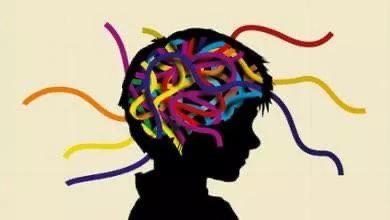




When men become fathers, they not only change their lifestyle, but also their brains. Numerous scientific studies show that fatherhood causes biological and psychological changes that make men more caring, more empathetic, and more involved in caring for their children.
According to researcher Sarah Blaffer Hrdy, author of the book “Father Time,” men develop a protective instinct toward their babies, much like mothers do. When they hold their newborns, both mothers and fathers experience increased levels of oxytocin and prolactin—hormones that strengthen emotional bonding and create feelings of well-being.
"Becoming a father is not just a social or cultural event, but a profound biological and psychological process," explains Antonio Vita, president of the Italian Psychiatric Association and professor at the University of Brescia.
Studies also show that men with children have lower testosterone levels compared to those without children. In fact, the lower the testosterone, the more the father tends to be involved in caring for the baby. A study by Emory University in the US found that testosterone and vasopressin – a hormone linked to aggression – begin to fall during the partner's pregnancy.
At the same time, fathers who spend more time with their children have higher levels of oxytocin, known as the "love hormone."
According to experts, the father's active involvement during pregnancy brings real benefits: it improves the mother's well-being, strengthens family ties, and positively affects the child's psychophysical development.
Some researchers compare the transition to fatherhood to adolescence, another period when the brain adapts to new challenges and roles. Men who feel more connected to their baby or plan to take parental leave show greater brain changes.
However, the debate over the role of fathers and mothers remains open. Italian pedagogue Daniele Novara argues that the primary bond between mother and baby remains irreplaceable, especially during the first year of life, while the role of the father becomes more important in later stages of growth.
"Fathers shouldn't just be 'teddy bears.' They should help with upbringing, set boundaries, and give children the courage to face life," he says.