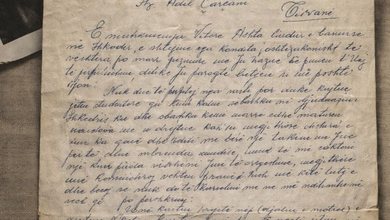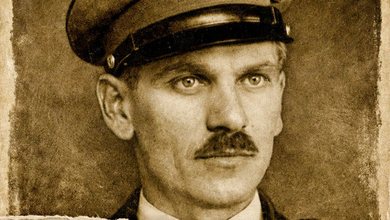



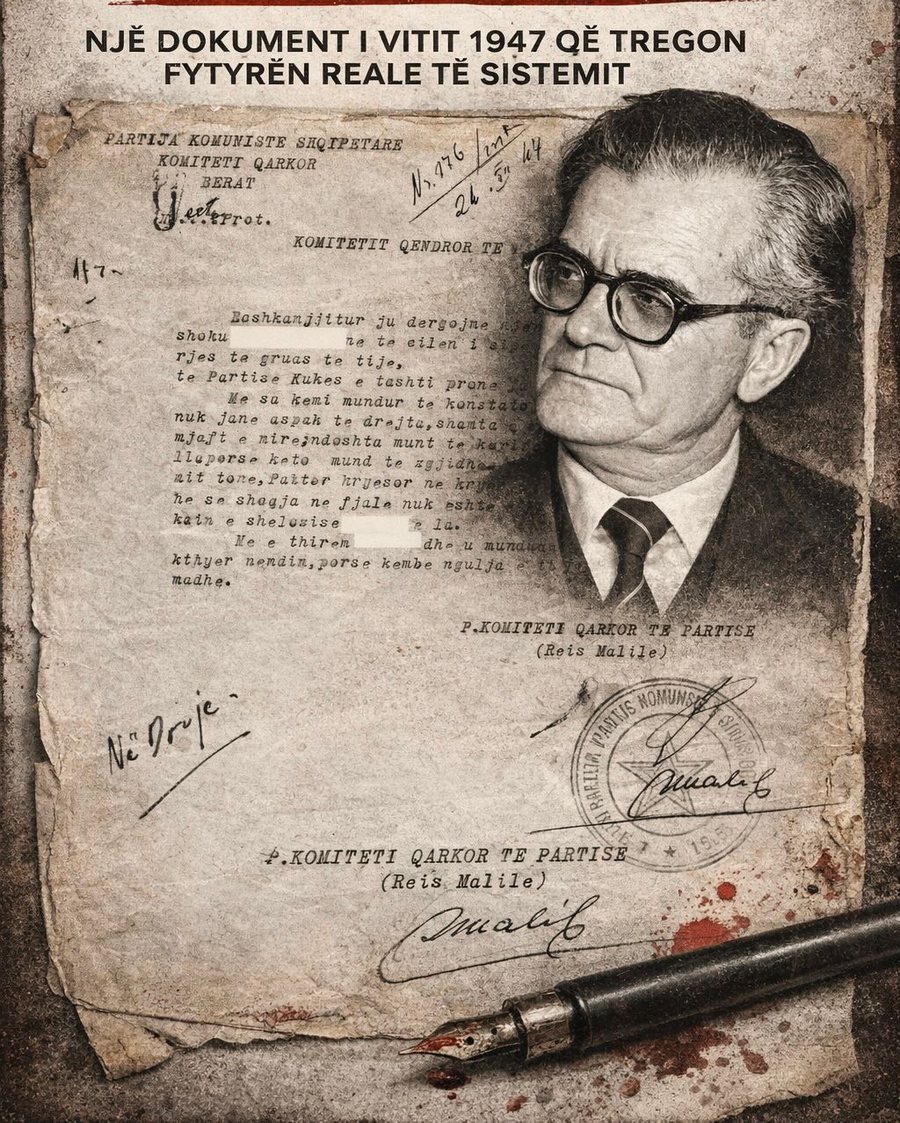
There are documents that speak louder than any historical analysis. One such is this official letter dated July 24, 1947, issued by the Regional Committee of the Communist Party in Berat, addressed to the Central Committee in Tirana. The document bears the signature of Reis Malile, a name that would later become Albania's Foreign Minister.
But in 1947, before dealing with diplomacy and foreign policy, Malile found himself engaged in a much more unusual task: mediating a family conflict between two communists.
The document shows that a woman – a member of the Party Committee in Kukes and currently with her family in Kichevo – had submitted a declaration regarding her separation from her husband. The document is sent to the party headquarters for review, while local leaders try to clarify the circumstances.
What is striking is not only the content, but the way the Party interferes in private life.
The document clearly states that party leaders have attempted to convince the woman to change her mind and return to her husband, considering the conflict an issue that needs to be resolved within the party structures. It is even acknowledged that there may have been “some minor quarrels”, but it is emphasized that they can be resolved “quite easily”.
At the end of the letter, it is acknowledged that efforts at reconciliation have failed because – according to the wording of the document – “her insistence was extremely great.”
In a normal country, a marital separation is a personal matter. In the Albania of 1947, it was a party matter.
The party was not just a political organization. It was the arbiter of morality, of family, of personal relationships. Decisions about intimate life did not belong to the individual, but to the political structure that controlled every aspect of society.
This document shows this reality in the simplest and most brutal way:
The Party interfered even in a couple's bed.
And this intervention was not an exception. It was the model of the system.
Because in communist Albania there wasn't just one political power.
There was a power that claimed to regulate everything:
work, thought, morality, family – and ultimately even people's private lives.
This 1947 document is a clear reminder of what the system really was:
a regime that knew no boundaries between state and personal life.