


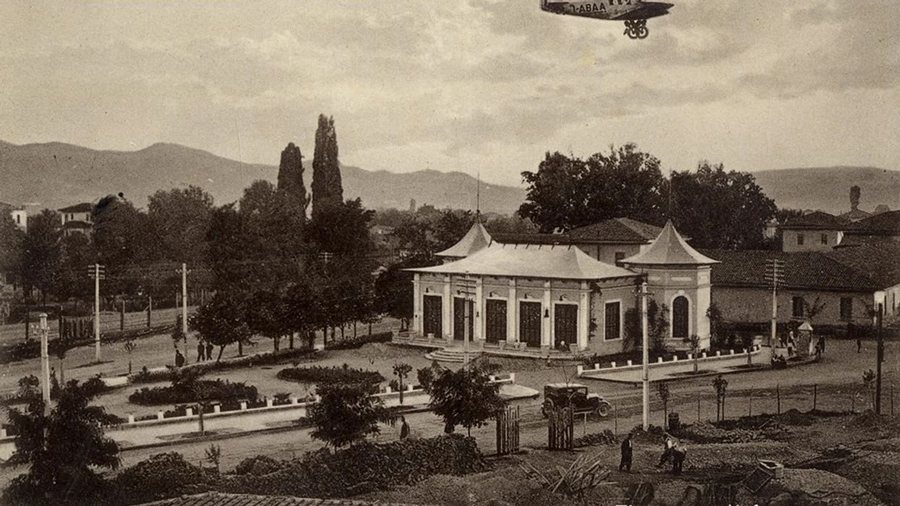
World War II didn't just change the borders and political destinies of countries. It also intervened in the daily life of cities, down to details that may seem unusual today. A 1942 document shows just such an episode in Tirana: the clash between the authorities and the owners of bars over... ballerinas.
In early 1942, the prefect of Tirana had given a clear order: entertainment with dancers dancing and accompanying customers to tables in the city's bars was to be stopped. In a time of war and strong administrative control, the authorities sought to impose order and restrictions on nightlife as well.
But for the owners of some of the capital's most popular bars, this decision was a direct blow to business.
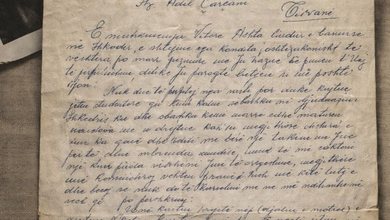
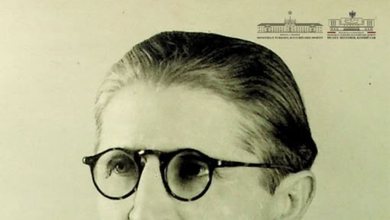
Faced with this decision, three bar owners – Jorgji Koja, Ibrahim Rexha and Nevruz Nivica – decided to address the then prime minister, Mustafa Kruja, directly. In an official letter dated January 28, 1942, they asked for his intervention to review the prefect's order.
They argued that banning dancers was driving the venues towards bankruptcy.
The dancers performing in these venues were not just local artists. According to the letter, they were brought at great expense from Italy, but also from the Albanian territories of that time such as Kosovo, Montenegro and Macedonia. The owners had invested in their travel, accommodation and payments, building the entire business model on this form of entertainment.
The venues in question were not unknown. The document mentions Koncerti Kristal, Dega Belvedere and Paris, venues that at the time constituted an important part of Tirana's nightlife.
The owners warned that if the ban continued, keeping the bars open no longer made economic sense. Essentially, they were telling the prime minister that without the dancers there were no customers, and without customers there was no business.
The letter is an interesting testament to urban life in Tirana during the war. It shows that even during a turbulent historical period, the city had an active nightlife, with music, dancing, and bars that sought to survive amidst the rules of the government and the demands of the clientele.
In the end, beyond the curious aspect of history, the document reflects a reality known even today: the clash between the morality of the authorities and the economic interest of business.
Even in 1942, in the midst of the war, Tirana seemed to be having a debate that was not just about politics or the military – but also about the much more mundane question: can a nightclub function without dancers?