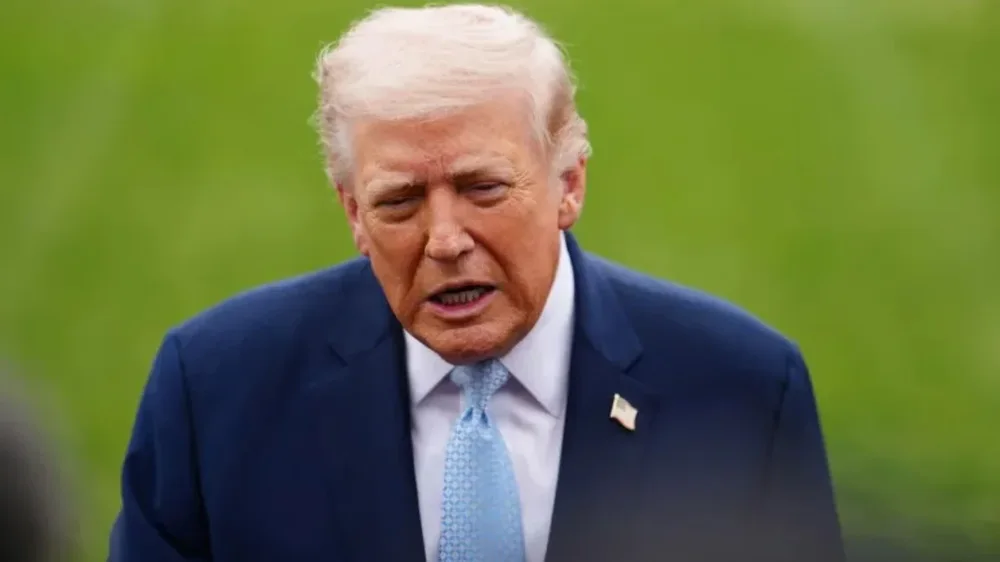
A month after launching airstrikes on Iran, US President Donald Trump faces a crucial moment that could determine not only the fate of the conflict, but also regional and global stability.
The BBC, in its analysis of this situation, writes that the US, which was expected to intervene quickly and with immediate results, supported by Israeli Prime Minister Benjamin Netanyahu, has turned into a much more complex confrontation, where Iran has shown strong resistance and the ability to respond.
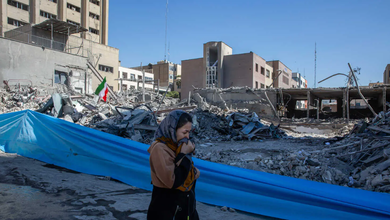
Despite the initial heavy blow, which killed Supreme Leader Ali Khamenei and other key figures in the regime, the Iranian state structure has not collapsed.
On the contrary, Tehran has managed to maintain functionality and move to a strategy of expanding the conflict, striking targets in the region and increasing pressure on American interests and their allies.
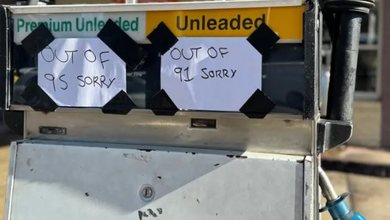
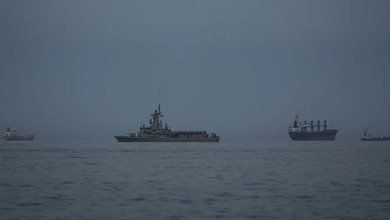
One of the most important moves has been the intervention in the Strait of Hormuz, one of the most important arteries of global oil supply, which has caused shocks in international markets and significantly increased the risk of a global economic crisis.
Developments on the ground have also highlighted a fundamental problem in the American approach to the conflict: the lack of a clear long-term strategy.
While historical figures like Dwight D. Eisenhower have emphasized the importance of planning in wartime, the current administration appears to have relied more on intuition and quick decision-making.
Trump himself has suggested that the end of the war will come "when I feel like it," a statement that for many analysts reflects a lack of strategic coherence in such a complex conflict.
On the other hand, Netanyahu has more clearly articulated Israel's objectives, considering this war as essential to his country's security and future.
He sees weakening Iran as a long-term strategic goal and cooperation with the US as a key element in achieving it. However, even within Israel there has previously been skepticism about whether such a war could produce definitive results without major consequences.
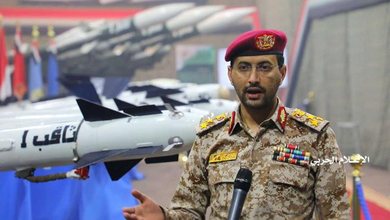
Meanwhile, the conflict is increasingly taking on the characteristics of an asymmetric war, where Iran, despite its military inferiority, is exploiting its geographical advantages and network of allies to balance the power of its opponents.
In addition to Hormuz, tensions could spread to other critical points such as Bab al-Mandab, seriously endangering key global trade routes and adding pressure on the world economy.
Negotiation efforts are still fragile and unclear. Various mediations are underway, but the parties' positions remain far from compromise.
Draft peace plans suggest strong demands from the US and Israel, while Iran seeks security guarantees, recognition of its role in the region, and compensation for war damages. In this climate, an agreement seems difficult, though not impossible.
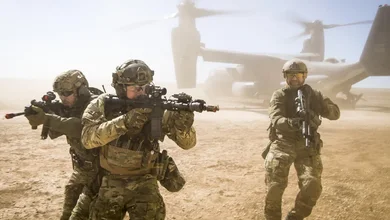
In the absence of a diplomatic solution, Trump faces two main scenarios: declare a unilateral victory, risking further destabilization, or escalate the conflict with greater military engagement.
The second option carries the risk of a long and exhausting war, where Iran could use the strategy of attrition to weaken the adversary.
Experts warn that this conflict could become a historical turning point, comparable to the Suez Crisis, affecting the global balance of power.
If the situation escalates further, the consequences could be profound not only for the Middle East, but also for the international order as a whole.