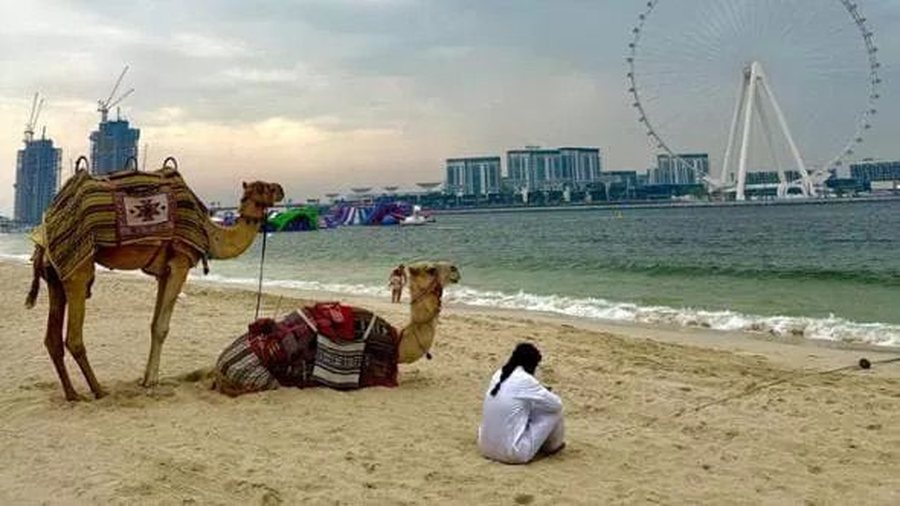
On Marina Beach in Dubai, Ashraf from Egypt sits sadly on the sand next to his two camels. Until a week ago, they were a popular attraction for children who paid just 10 dirhams (about 2 euros) to ride them and take a picture. Now everything has changed.
"Families with children are the first to leave," he says. "I come here every day, but there's no work anymore."
Even in the old Al Fahidi Souq, the shops are empty. Ali, a souvenir seller who fled Afghanistan 20 years ago to find safety in Dubai, tries to attract customers with deep discounts. “Please come into the shop. There have been no customers for days,” he says.
Even the iconic Museum of the Future, one of the city's architectural symbols, is open, but there are only two visitors inside. In fact, everything in Dubai is open, but the city seems empty.
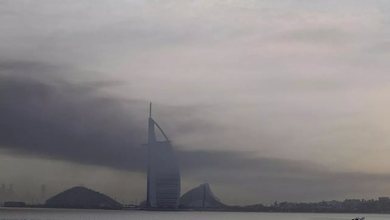
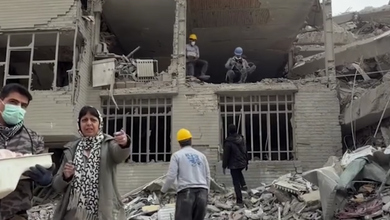
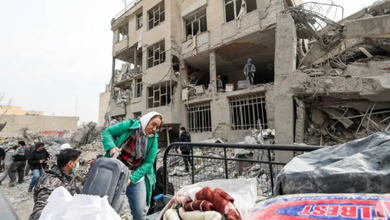
The city has been targeted by missiles and drones, which authorities say are intercepted by air defenses about 96 percent of the time. Damage is limited and often barely noticeable, as buildings hit by debris from downed drones are immediately repaired and streets cleared.
However, the war has also claimed its toll. Six deaths have been reported so far: four foreign workers hit by drone debris while out and about, and two soldiers who lost their lives when the helicopter they were travelling in crashed.
Dubai, known as the city of luxury and entertainment, is trying to show that it is still “open for business.” Authorities have even decided to open its water parks free of charge to residents for two weeks, in an effort to keep the city’s atmosphere alive.
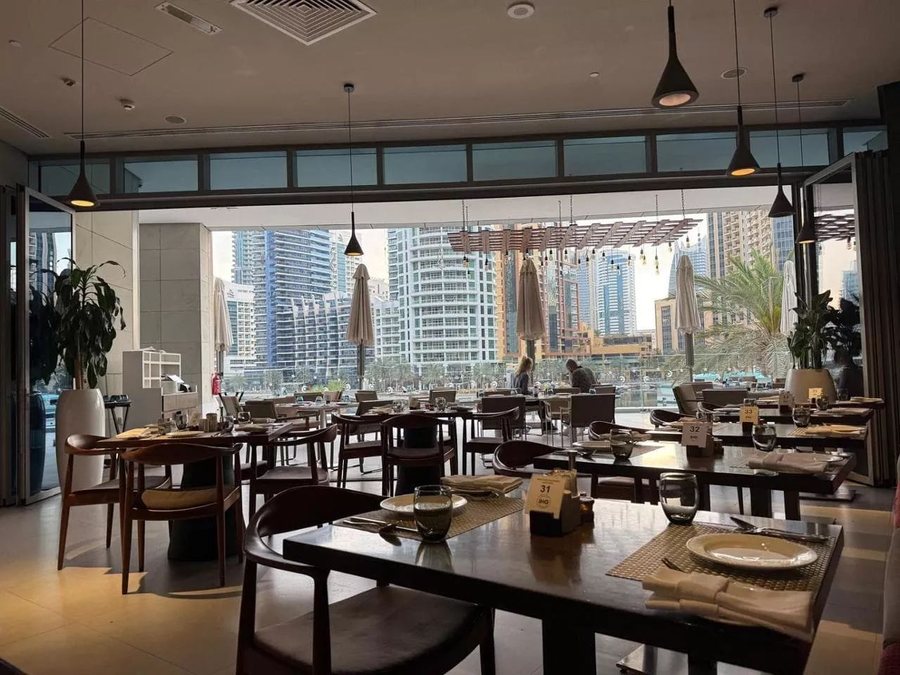
But the reality is different. Markets, shopping malls and restaurants are almost empty. An Italian chef at a well-known restaurant admits that reservations have fallen by about 70 percent. Hotels are also almost empty: some of them report only 8 percent of rooms occupied.
The war is hitting the Gulf's tourism industry hard. Flight cancellations, airspace closures and traveler fears are costing the region an estimated $600 million a day. In Dubai alone, some 80,000 tourist reservations have been canceled.
This is a serious blow to the city's economy. Tourism generates about $30 billion a year, while Dubai does not have large oil resources like other emirates in the region.
For now, the futuristic city seems to be on hold. The famous traffic is gone and the tourists have left. However, a large part of the migrant workers have remained, unable to leave due to the high prices of flights.
About 2 million Indians, 700,000 Nepalese and 400,000 Pakistanis live in Dubai, many of whom continue to work even in these uncertain days.
Still, some people continue to see the city as a safe place. Christina Bondarenko, a 24-year-old from Ukraine, says she feels calmer here than in her home country. “I go to the beach and if the alarm goes off, I find shelter. It doesn’t feel like there’s a war. Not like what I experienced in Ukraine,” she says.