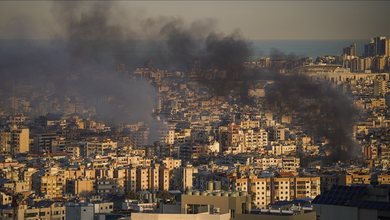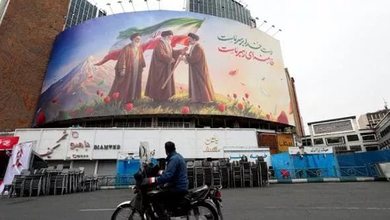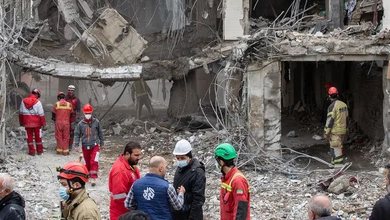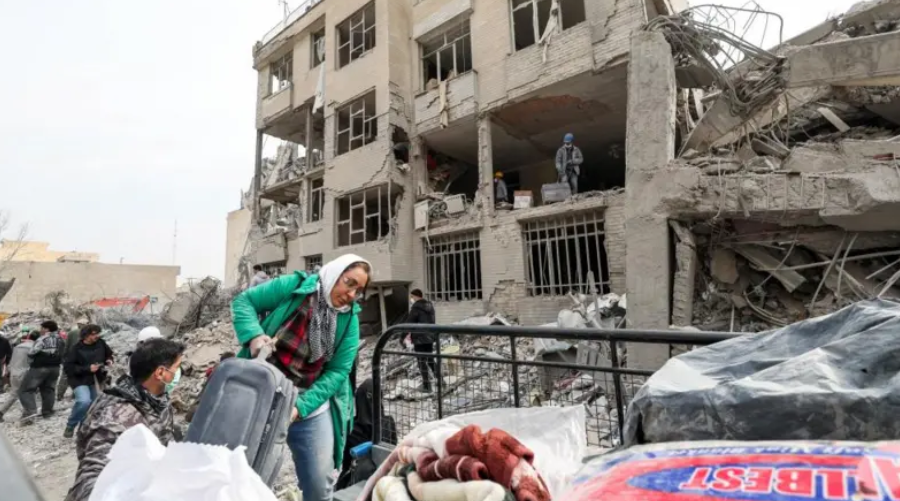
The atmosphere in Iran has become "extremely stifling," says an Iranian woman from Tehran, who has only recently been able to connect to the internet since the start of the war.
In a testimony to the BBC, she describes a situation filled with fear and uncertainty.
"The atmosphere in Iran is extremely oppressive. It has always been oppressive, but now fear and terror have been added to it," she says.
According to her, on the first day the war began, most people woke up to the sound of explosions.
"About an hour later the internet went down and we continued to watch the news via satellite television," she says.
That same day, long lines for fuel began, while paramilitary forces affiliated with the regime quickly appeared on the streets.
The resident says that late in the evening it was announced that Iran's supreme leader, Ali Khamenei, had been assassinated.
"As soon as the news broke, all the neighbors came out onto their balconies or windows and started celebrating," she recounts. "But then the paramilitaries came back and people were forced to be quiet."
She adds that citizens receive many messages every day with warnings, threats or fake news, while every night government supporters organize processions in the streets, sometimes for mourning and sometimes for celebrations.
"The whole situation makes you feel like nothing in this country belongs to us. It's like we're strangers in our own city," she concludes.