The UN warned on Thursday that more than 4.1 million people have been displaced within their countries in the Middle East since the start of the current military escalation, while humanitarian needs are growing rapidly in some countries.
Noting that "the region is home to some of the largest numbers of people in need of humanitarian assistance in the world," spokesman Stephane Dujarric told a press conference that "more than 4.1 million people have been displaced within Afghanistan, Iran, Lebanon and Pakistan since the start of the escalation."
"In addition, some 117,000 people have sought refuge in another country," he said.
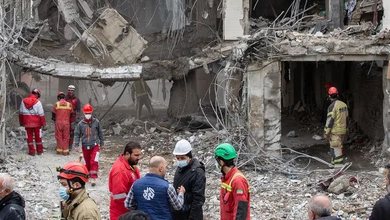
"The latest escalation risks deepening the suffering of civilians and causing further damage to the already fragile civilian infrastructure."
He stressed that the UN and its partners continue efforts to provide assistance to those affected.
In Lebanon, Dujarric said that "the situation remains very volatile" and that humanitarian needs are increasing every day.
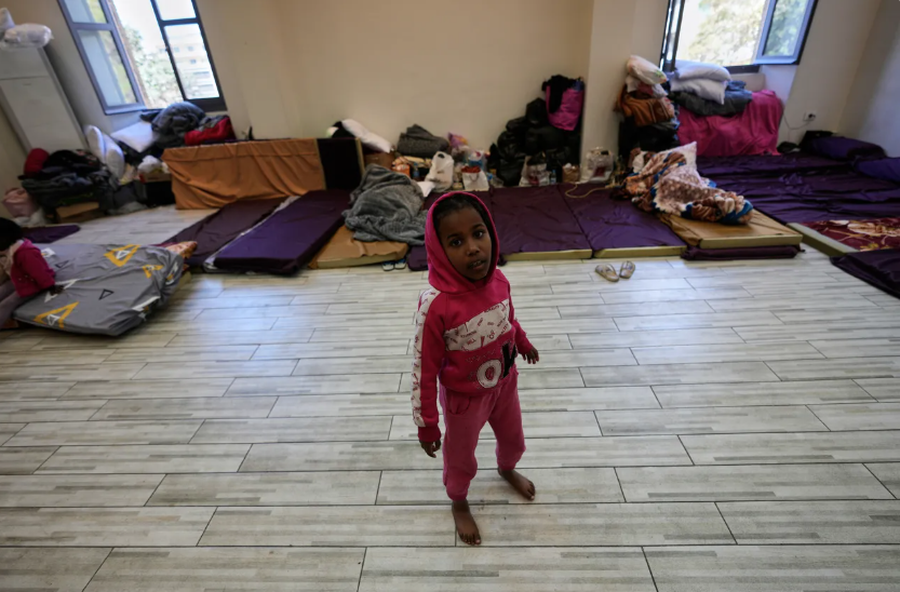
He indicated that according to government data, more than 816,000 people have been registered as displaced, a number that includes around 285,000 children, while over 125,000 people have been sheltered in nearly 600 collective centers.
He warned that the real number of displaced people in Lebanon is likely to be even higher.
Raising concerns about the safety of UN peacekeepers in Lebanon, Dujarric said an explosion occurred about 15 meters from a UN position in Sector East on Wednesday, although no injuries were reported.
He stressed the obligation of all parties to guarantee the "safety and protection of UN personnel," adding that civilians along the Blue Line and UN facilities should never be the target of attacks.
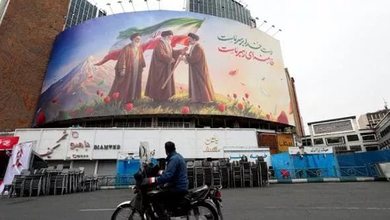
On March 2, the Lebanese resistance group Hezbollah began attacking Israeli military targets in response to repeated Israeli attacks on Lebanon and the assassination of Iran's then-Supreme Leader, Ali Khamenei, in a US-Israeli strike.
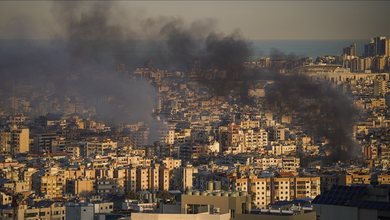
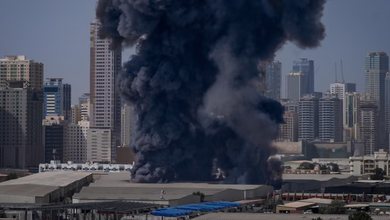
Israel responded by launching a military campaign against Lebanon, with airstrikes on the southern suburbs of Beirut and in areas in the south and east of the country.
On March 3, he also launched a limited ground incursion into southern Lebanon.