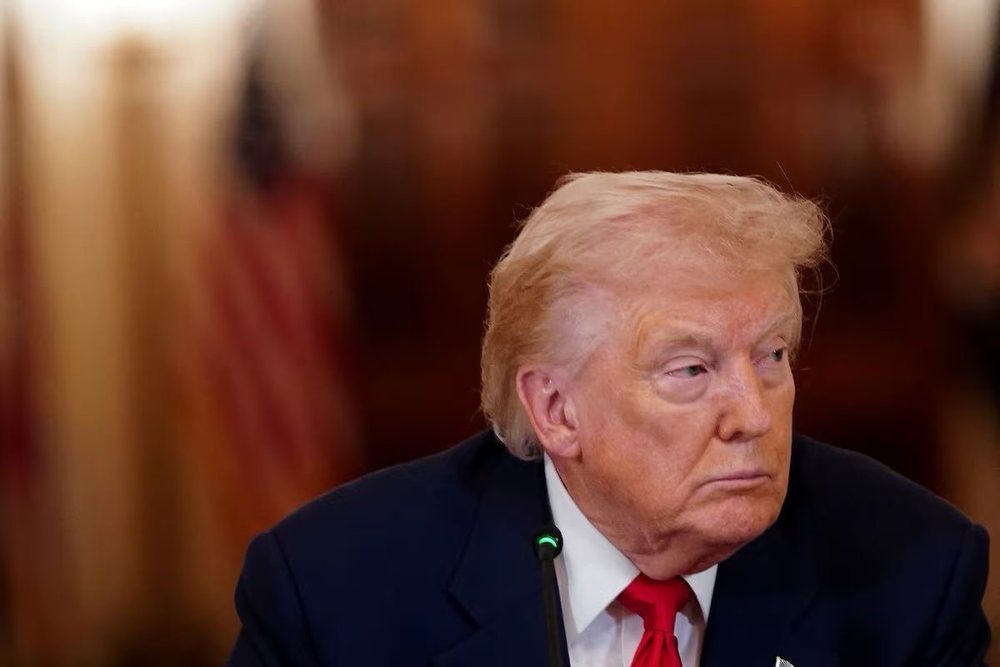
An internal White House infighting is weighing on US President Donald Trump's shifting rhetoric about the war with Iran, as his advisers debate when and how to declare victory, even as the conflict spreads across the Middle East.
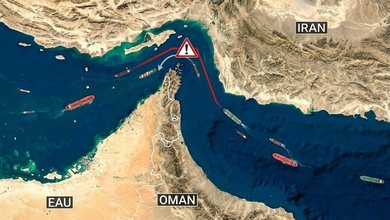
According to sources cited by Reuters, several officials and advisers have warned Trump that rising fuel prices could have political costs for his administration, as US and Israeli attacks on Iran are affecting global energy markets.
On the other hand, more aggressive voices in Republican politics are pressuring the president to continue the military offensive against Iran, arguing that the pressure should be maintained until a stronger result is achieved.
This internal debate is taking place as the war with Iran is considered the largest American military operation since the Iraq war in 2003. Trump, who returned to power promising to avoid "unthinking" military interventions, now faces a situation that has shaken financial markets and the global oil trade.
In recent days, the president has given mixed messages. At a rally in Kentucky, he declared that "we have won the war," but immediately added that "we must not leave too soon, we must finish the job."
Economic and political advisers in the administration are urging Trump to present the conflict as a limited and near-term operation, to avoid the political consequences of rising oil prices.
However, Republican senators such as Lindsey Graham and Tom Cotton, as well as some conservative commentators, are pushing for continued military pressure on Iran, deepening the division of positions within the president's camp.