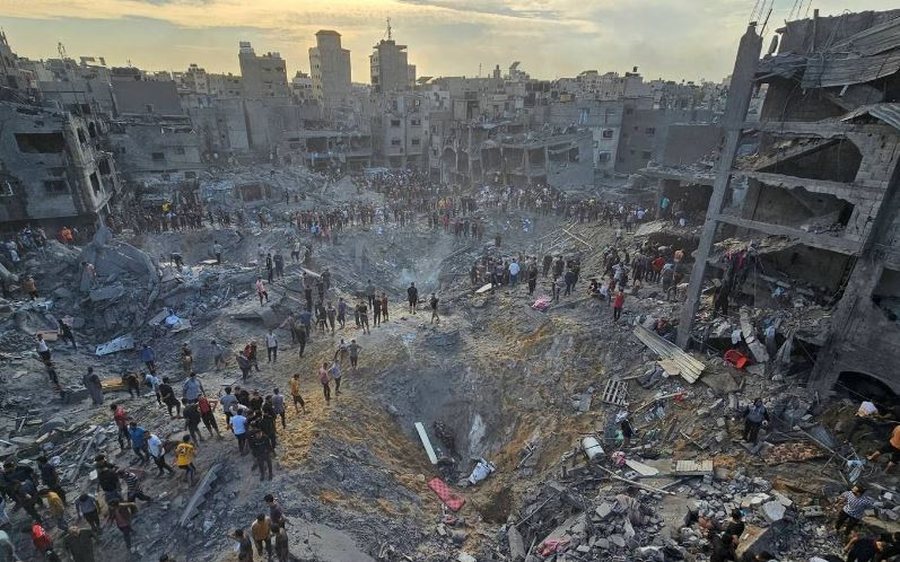
In a significant policy shift, the Israeli military has accepted as accurate the casualty figures published by Gaza health authorities, marking the first time Israel has published an estimate of the number of casualties from the war.
A senior security official briefed Israeli journalists, acknowledging that around 70,000 Palestinians have been killed by Israeli airstrikes in Gaza since October 2023, not including those who are still missing.
This admission is a drastic turn, as over the past two years, Israeli officials and media outlets have consistently denied information published by Palestinian authorities, calling it “Hamas propaganda” and “inaccurate.” Until now, Israel had only published figures for Palestinian militants it claims to have killed, while the Palestinian figures, which have now surpassed 71,660 casualties, have been accepted by the Israeli military as “very accurate.”
The change comes in a major admission that could raise more questions about the legality of Israel's military campaign in Gaza. A United Nations commission, human rights groups and scholars have accused Israel of war crimes and genocide in Gaza, adding to international pressure for an independent investigation and accountability.
The Israeli newspaper Haaretz raised further questions about what could be behind this admission, stressing that Israel should reflect on its credibility regarding its handling of this conflict. “What accusations could turn out to be true?” writes Haaretz, referring to the delayed admission of the figures.
Israel has also admitted that over two-thirds of the war's casualties are civilians, despite previous claims that the majority of victims were militants. The Israeli military had claimed to have killed 22,000 militants, but the new figure suggests a higher percentage of civilians, a finding that fits better with data from a classified Israeli military database, which shows that around 83% of the casualties may have been civilians.
Meanwhile, Israel has announced that it will open the key Rafah crossing between Gaza and Egypt on Sunday, for the first time since Israeli control of the border in May 2024. The crossing will allow Palestinians who have fled Gaza to apply to return, however, Israel will maintain full control over those who pass through the crossing, while a European Union force will supervise the crossing.
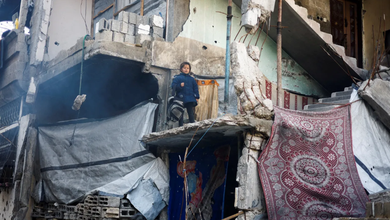
The reopening of Rafah has been seen as a step in international efforts, particularly by the US, to help implement a peace plan for Gaza and facilitate a second phase of aid. However, the crossing will be pedestrian-only and will not solve the deep humanitarian crisis plaguing Gaza, where food, medicine and shelter are in short supply.
The situation in Gaza remains tense, with these developments raising new questions about the future of the region and the possibility of a lasting solution for the Palestinians and their rights.