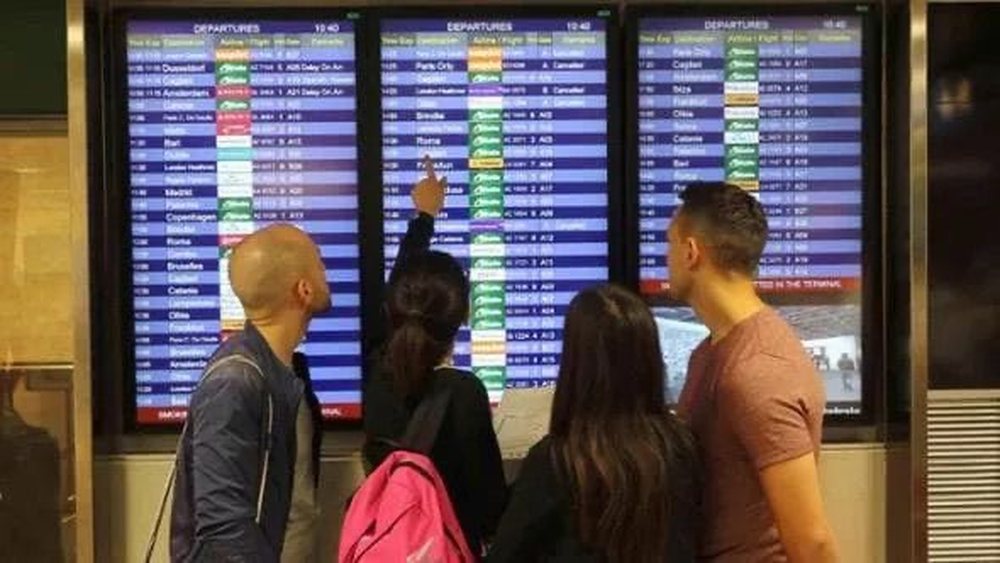
Four major Italian airports have reported a shortage or limited supply of fuel for aircraft, a situation that is expected to last at least until the evening of April 9. These are Milan Linate, Venice “Marco Polo”, Treviso and Bologna airports, where aeronautical authorities have issued official notices (NOTAM) to more carefully manage kerosene reserves.
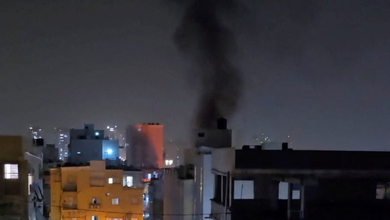
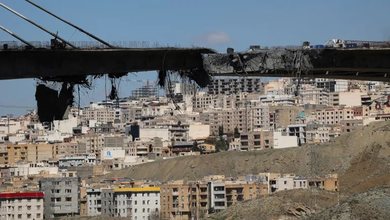
The measures are a direct consequence of the crisis in the Middle East and the closure of the Strait of Hormuz, one of the world's main oil transport corridors.
At these airports, priority for refueling will be given to ambulance flights, state flights and flights lasting more than three hours. For other flights, strict restrictions have been imposed: in some cases, aircraft can be refueled with a maximum of 2,000 liters of fuel per aircraft.
At Milan Linate Airport, from April 4 to April 9, "reduced availability" of Jet A1 fuel supplied by Air BP Italia has been reported, which could lead to restrictions on supply services for some airlines.
In Venice, the situation is even more regulated: planes operating flights shorter than three hours will take a maximum of 2,000 liters of fuel, while pilots are required to plan additional refueling at the previous airport.
Similar restrictions have been imposed in Bologna and Treviso, where limited kerosene supplies are forcing authorities to prioritize the most urgent flights.
Meanwhile, airline Ryanair has stated that its suppliers can currently guarantee fuel until mid-to-late May, but warns that if the conflict in the Middle East and the closure of Hormuz continue, problems could arise at some European airports.
Lufthansa has also warned that a prolonged conflict could create bottlenecks in the supply of fuel for its planes, although the company has secured most of its needs through pre-arranged contracts.
The fuel crisis is adding to fears of rising air ticket prices, as companies may pass on higher costs to passengers, especially during the summer season.