


Urban transformation in Albania continued to produce conflicts throughout 2025. Typically, the debate is divided between those who see this development as aesthetic modernization and those who criticize it mainly under suspicion of dark economic interests.
But beyond this polarization, one fact remains indisputable, the profound impact that this urban transformation has had and is having on local communities. Citizens.al has always tried to pay attention to citizens' voices and convey their concerns first.
Massive construction, urban and infrastructure redevelopment projects in Albania are often carried out without consultation with the residents affected by them. Objects are not properly assessed for expropriation, heritage, spaces, distances to existing buildings are not respected, construction often exceeds permits, etc.
Consequently, this development has fostered insecurity over property and housing, provoking civic resistance in various areas of the country when projects knock on the doors of homes or institutions.
Such were the cases of residents near the "Ten" cultural center, the "Emin Duraku" school and those of a palace in Astiri in Tirana, residents of the historic neighborhood and the area of former beach cabins in Durrës, or residents of the Rrjoll area in Velipojë.
Between eviction and housing insecurity
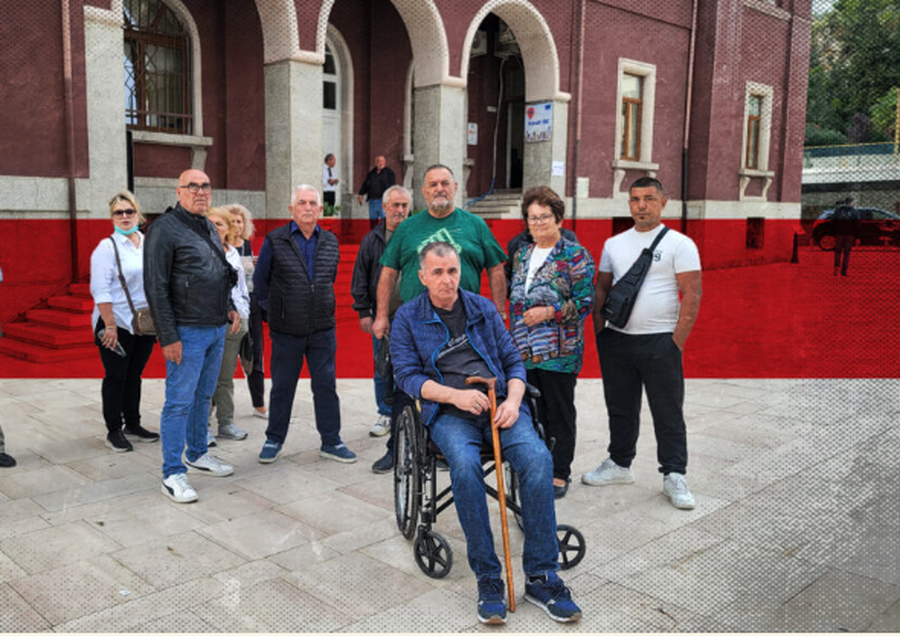
Two communities in Durrës faced eviction from their homes, for different reasons. In "Neighborhood 13", 32 families found themselves on the streets on the eve of the holidays, after the buildings they had lived in since the 1990s were transferred to the owner in a process they are contesting.
Residents, who moved into the former beach cabins about 30 years ago as beneficiaries of homeless status, say they learned too late about the municipality's decision to turn the facility over to "inhabitants." Only one person, with disabilities, received rental support. The others were left without help.
The situation is different in the Kalasë neighborhood. Over 70 families could be displaced due to the urban redevelopment project of the area, also known as "TID Durrës".
Compensation is foreseen, but most residents consider it insufficient for such a strategic area, moreover the estimated value refers to prices from 10-15 years ago.
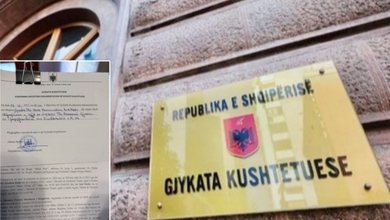
The project is implemented by the Ministry of Culture, the Municipality of Durrës and the Albanian-American Development Foundation (AADF). The residents have sued them in the Administrative Court. In parallel, they have also filed a complaint with SPAK.
"Facade-by-facade" constructions
The reconstruction of the “Ten” cultural center on Myslym Shyri Street in Tirana, envisaged the building increasing from two to four floors. Nearby residents were alarmed. They complained about the lack of consultation and the risk that their buildings would be structurally damaged or left without light and ventilation.
They contacted Citizens.al. The Municipality of Tirana stated that the project was in line with the General Local Plan and did not harm nearby buildings. However, the works were halted in March, for unclear reasons. Today, the residents are in legal proceedings against the municipality and the implementing company.
Another conflict erupted near the "Emin Duraku" school, in the former Bllok. This time it was about a 16-story tower, with four floors underground and about 10,000 square meters of construction area.
Residents protested, citing as their main concern not only the loss of common spaces, but also the danger of such a construction near a school attended by many children. However, over time, the resistance faded.
"Most of the residents have withdrawn, even though the case is in the Tirana Court," lawyer Redon Meksi told Citizens.al.
This group of residents seems to have had difficulty finding an engineer willing to engage as an expert to analyze the project's irregularities and then seek insurance for the lawsuit.
However, this year there were also cases where communities achieved victories, even partial ones. Such was the case of a group of 24 families, who, with the support of the organization "Social Justice", secured the legalization of their homes after protests in front of the State Cadastre Agency.
Through lawyer Gentian Serjani, the Astir area group has managed to intervene and expedite the procedures, putting an end to a 20-year-long delay.
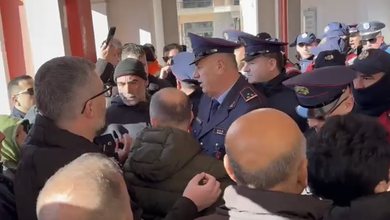
Meanwhile, in the Velipoja area, residents saw the suspension of the “Blue Borgo” tourist resort project. They protested, even clashed with the police, and then turned to SPAK over the ownership issue.
Prek Molla, a resident of the area, indicated that there have been no attempts to restore the works since March.
"There was an attempt at a deal, but after the [corruption] scandal with [Minister Belinda] Balluku, the investor withdrew," he said.
These cases encountered this year show once again that recurring urban conflicts hide behind a pattern of large projects that are applied with unclear responsibilities and social costs and without public consultation.
Civic resistance remains one of the few mechanisms that seems to put a stop to such processes./Citizens.al/