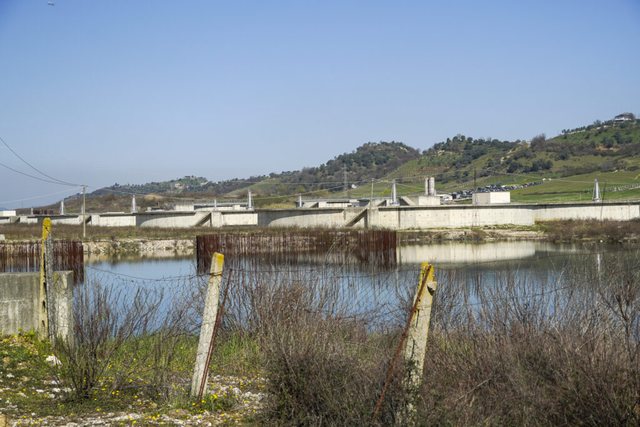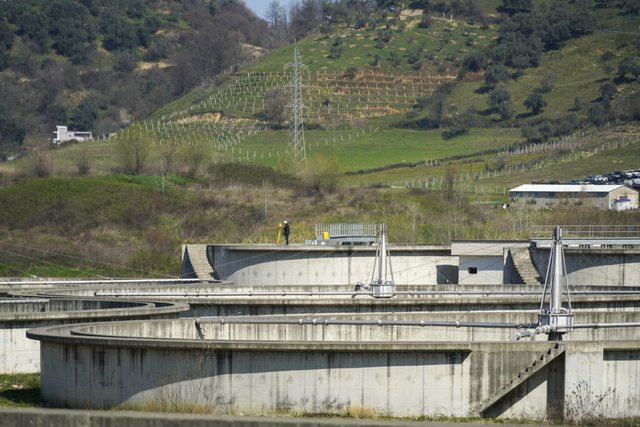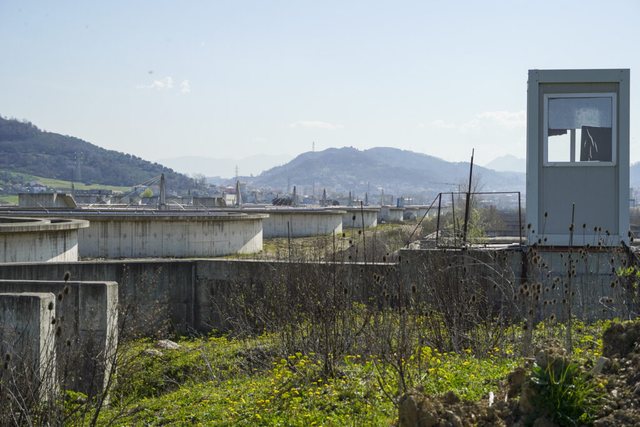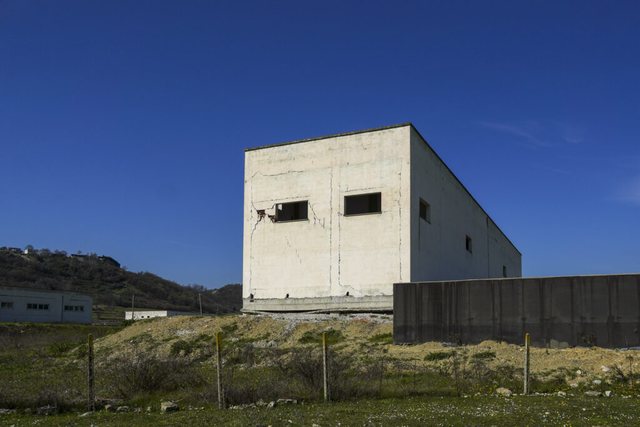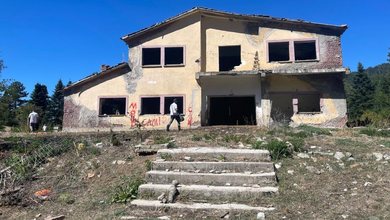



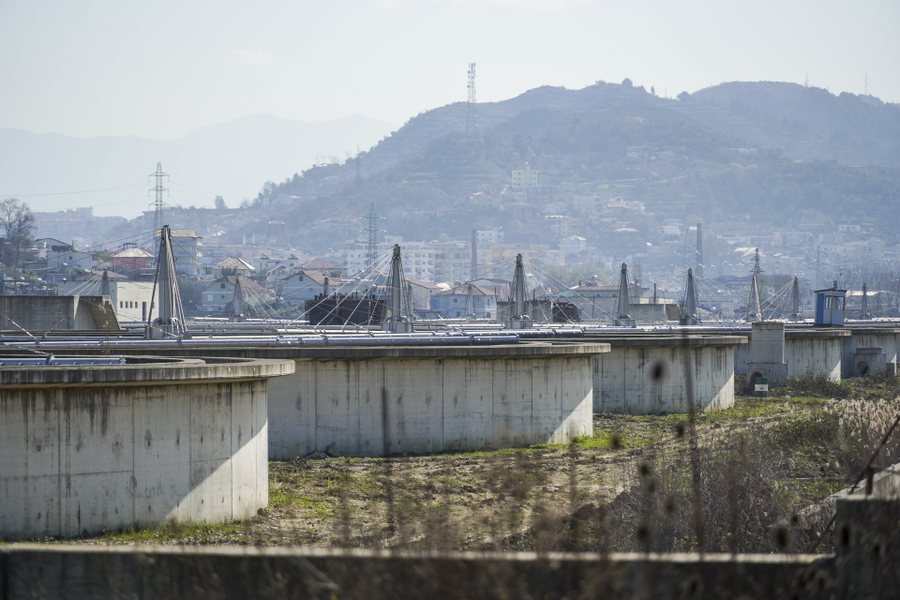
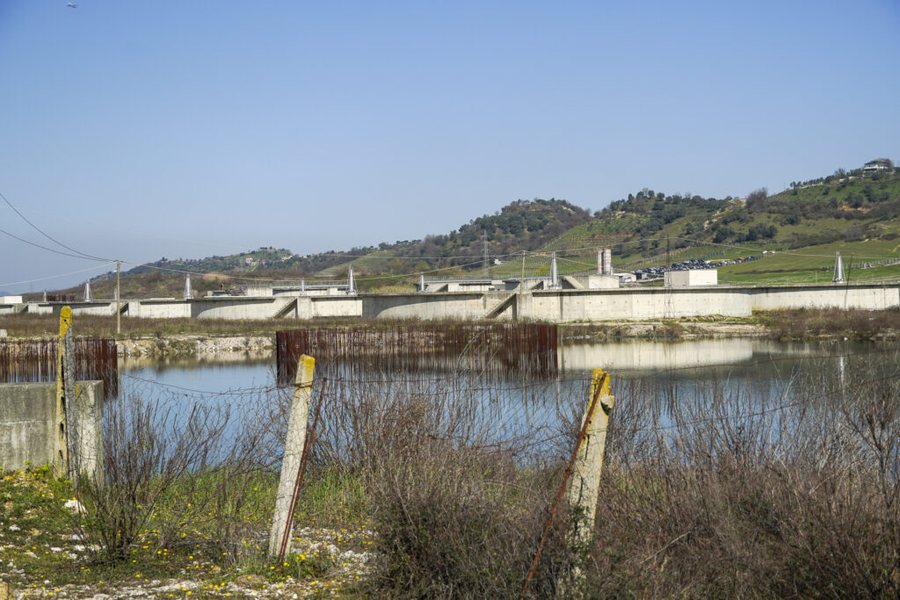
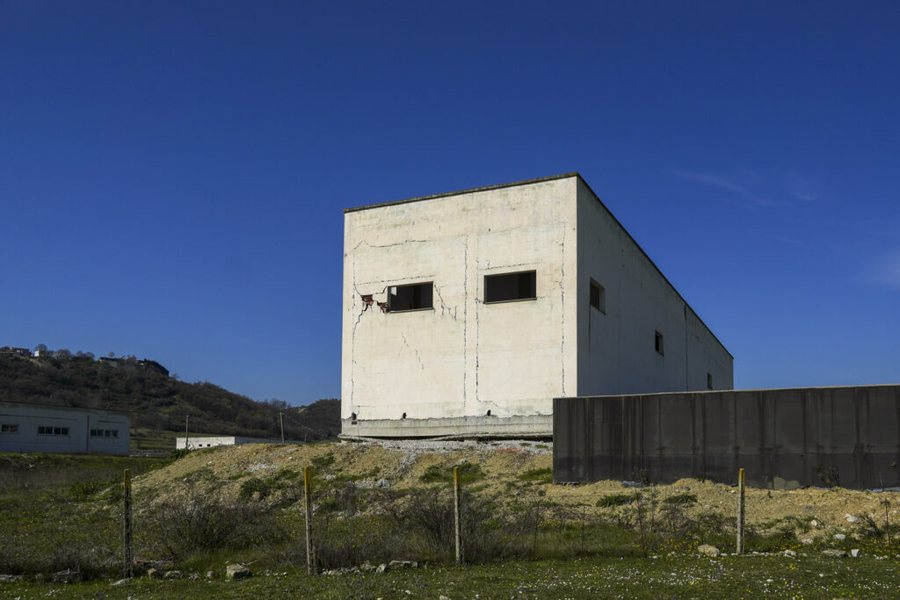
Frogs are the only vocal creatures that swim and play without realizing that the habitat they have chosen (a large pond with polluted water) has cost the state 56 million euros in investment, 13.5 million euros in compensation for unilateral breach of contract and degradation of the invested part. We are at the Wastewater Treatment Plant in Kashar, which only has a big name, since what is seen is a building in degradation from time and lack of maintenance, accompanied by a heavy economic, environmental and health bill.
"The lack of functioning of the wastewater treatment plant in Kashar constitutes one of the most serious environmental and health problems for the city of Tirana today. Practically, the entire load of urban and industrial wastewater is discharged untreated into the Lanë and Tirana rivers, turning them into open discharge channels and transferring the pollution further into the Ishëm River and the Adriatic Sea," OIsi Nika, hydrobiologist expert and Executive Director of EcoAlbania, tells Faktoje.al.
In addition to the environmental and health damage, the plant also carries an economic bill from the unilateral termination of the contract by the Ministry of Infrastructure and Energy in 2018 to the Italian-Japanese company "Donti & Kubota".
The consequences continued when in 2024, the company won the case at the International Court of Arbitration, adding another bill of 13.5 million euros in damages to the Albanian state.
plant
In 2008, the Albanian government, after numerous negotiations, ratified in Parliament the "Loan Agreement" between the Council of Ministers of the Republic of Albania and the Japan Bank for International Cooperation for the financing of the project "Improvement of the sewerage system for Greater Tirana".
In this agreement, it was foreseen that the Japanese Bank "JICA" would undertake the financing of the project with a soft loan for the construction of the Wastewater Treatment Plant in Kashar, Tirana.
The winning company was announced as (D.&K.C) "Donti & Kubota" for the construction of this work worth 81 million euros.
For the implementation of the project, works officially began on June 16, 2014 with an initial completion deadline of 30 months from the moment of the start of works (until December 16, 2016).
As a result of two postponements agreed between AKUK and the company and approved by the financier JICA, the deadline for completion of the works changed to 52 months from the date of commencement of the works, leaving October 2018 as the final deadline, referring to the KLSH report on the elimination of wastewater discharge into the Lana River in Tirana.
MIE removes the company
In the 2017-2018 period, the then Ministry of Economy and Energy initiated several continuous inspections at the Wastewater Treatment Plant.
In the end, the Ministry of Environment and Water issues a report ordering the National Water Supply and Sewerage Agency (as administrator of the work) to unilaterally terminate the contract with the motivation: "Breach of contract terms regarding the deadlines for the works."
The conclusion of the contract, with the veto of the MEI, ultimately resulted in compensation in favor of the company, but also the degradation of the constructed facility.
Faktoje.al sent several questions to the Ministry of Infrastructure and Energy about why it unilaterally terminated the contract and to make available the conclusions of the report that led to the termination of the agreement, but until the publication of this article we did not receive a response, despite the legal deadlines for responding having passed.
consequence
The project, launched with much fanfare and after much negotiation, has currently left Tirana with a very polluted river that endangers the health of the residents of Tirana and its surroundings.
"Both the Lana and the Tirana River are in a severe state of pollution, which in many segments can be classified as high to very high pollution (beyond any acceptable standard according to the EU Water Framework Directive). Key parameters such as organic load (BOD, COD), the presence of fecal bacteria (E. coli), nutrients (nitrogen and phosphorus) and urban and industrial waste indicate a practically ecologically degraded water system," says hydrobiologist expert Nika.
From the data administered by the National Environmental Agency and from the published State of the Environment Reports, it results that continuously from 2010 to 2024, the environmental condition of the Lana River has reflected a considerable level of pollution.
"The situation has remained almost unchanged at the L2 monitoring station - former Customs, consistently classified in Class V - Bad condition. Meanwhile, the situation has worsened at the L1 monitoring station - Lanabregas, despite the fact that this station is located at the beginning of the river flow and precedes the urbanized area of the city of Tirana. For the 2024 monitoring, both stations result in being assessed in Class V - Bad condition", the NEA states.
HSC warning
While the company (D.&K.C) had just addressed the Court of Arbitration and the case had not yet been registered, the Supreme State Audit Institution, after administering the documentation and verifying the progress of the works on site, issued an urgent report requesting the Ministry of Infrastructure and Energy to re-enter the contract with the company "D.&K.C", since about 70% of the works had been completed at the plant and the problems for not completing it on time had not come from it. "This contract was terminated on 04.07.2018 and by this date, the works had been completed about 70% or in the amount of 56 million Euros. The termination (termination) of this contract was made unilaterally by the MEI through the AKUKM in violation of the financing agreement and the terms of the contract concluded with the contractor", the SAI says in the report.
Arbitration
Further, the auditors emphasize that the Ministry of Environment and the Ministry of Construction and Public Works did not receive prior approval from the financier, the Japanese Development Bank "JICA", for the termination of the contract and did not take into account the suggestions and remarks made to the Disputes Council, which mainly relate to: the lack of space to carry out the works; the lack or excessive delays in payments in the amounts blocking the contractor, such as; delays in the liquidation of VAT and payments of situations; the lack or significant delays in cooperation regarding the obtaining of permits and approvals of the works. "Considering the illegality of the unilateral termination of the contract, it is very likely that the contractor will win this case and the state budget will pay a considerable amount...", the report suggests.
The outcome was expected. The Arbitration Court finds MEI responsible for the unilateral termination of the contract and decides that the company should be compensated in the amount of 13.5 million euros.
The situation today
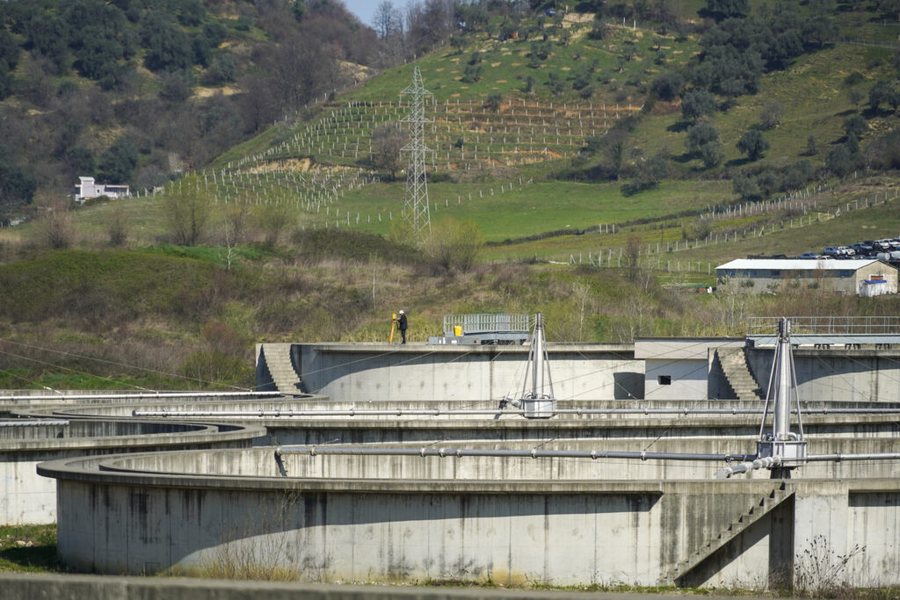
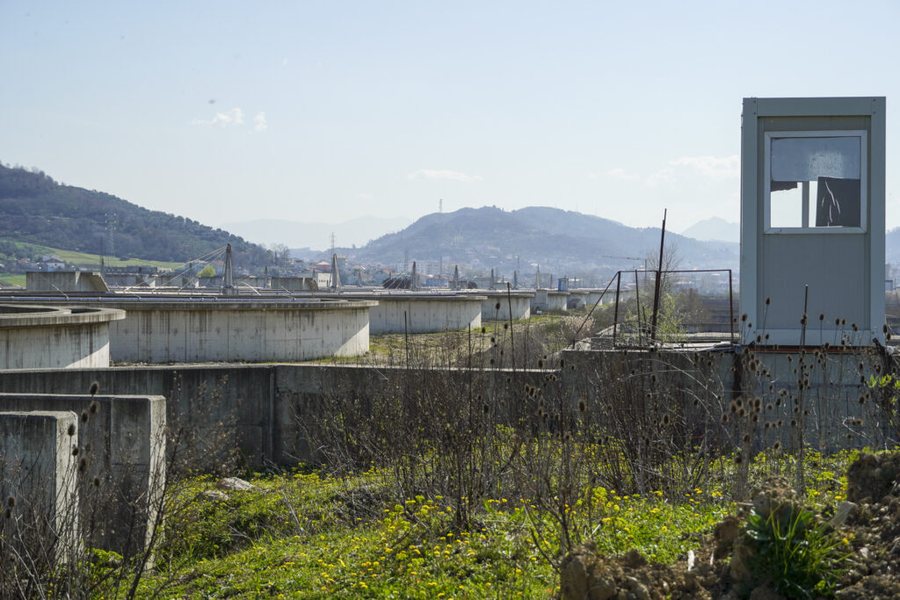
Behind the hills of Kashari, in a large field, what remains of the Wastewater Treatment Plant appears. “Beware, work is underway here!” is the first warning that appears on the gate of the site, which has clearly been neglected since 2018. Among thorns and twisted fences, there are 26 large tanks, seven buildings, pipes, scattered iron bars, numerous wells and six “watchtowers” for guards.
"You're not allowed to film. Get out," one of the facility's guards says sternly, while another quickly comes to his "help."
"At the time of contract termination, none of the project's sub-objects had been completed and put into operation. Subsequently, AKUK has taken the necessary measures for the preservation and maintenance of the constructed works, with the aim of preserving them in the condition at the termination of the contract, based on the technical documentation of the necessary measures for the preservation and maintenance of the constructed works prepared by the Consultant (works supervisor)," AKUK tells Faktoje.al.
"During the entire period after the termination of the works contract, 4 (four) contracts for site maintenance services were concluded, as well as 8 (eight) contracts for the physical storage service of the facility, which were evaluated based on the needs of the project," this institution adds.
"Bacterial pollution beyond any borders, along with heavy metals from wastewater, also threatens the soil pollution of some farms that could use it for irrigation, especially in the flow after joining the Tirana River in the Laknas area, all the way to the Adriatic," environmental expert Lavdosh Ferruni tells Faktoje.
MANAGEMENT
In its official response to Faktoje, AKUK says that the project is in the detailed review phase, with the aim of continuing the procedures for concluding a new contract with the works contractor and completing its implementation.
"At the current stage, site maintenance focuses solely on the conservation of existing facilities, site safety, sustainable accessibility to the facilities and functional areas of the site, and the creation of optimal conditions for the continuation of technical and administrative processes currently underway at the facility," says AKUK.
emergencies
"The solution requires an urgent and multifaceted approach. First, the Kashari plant must be put into operation immediately and its operation must be guaranteed according to technical and environmental standards. Second, control over industrial discharges and illegal connections to the network must be strengthened. In parallel, a regular, transparent monitoring system of water quality and public information is required," says hydrobiologist Nika. /Faktoje.al/