By Klevis Elezi
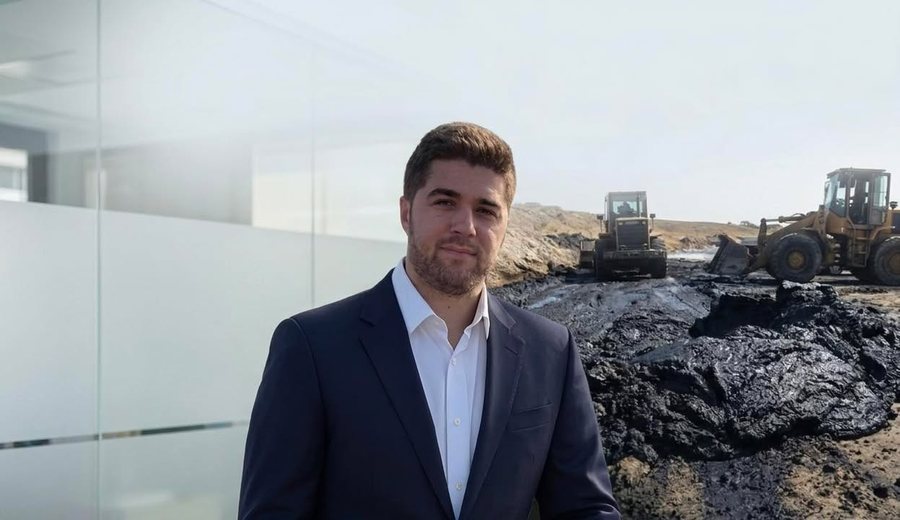
Selenica represents one of Albania's rarest natural and industrial assets, a territory where economic history, energy policy and national identity are intertwined in an unusual way. In the subsoil of this area are known reserves of natural bitumen and coal seams, which for decades have been a source of economic development, strategic interest and economic rivalry.
Selenica bitumen is considered among the highest quality in Europe due to its natural composition and high resistance. Historically, it has been used since the Ottoman period, while during the 20th century it became an industrial asset of international importance. Historical documents show that this bitumen was exported to European countries and was used in road construction, industrial insulation and strategic infrastructure. At a time when many countries in the region did not have a consolidated extractive industry, Selenica was a symbol of Albania's economic potential.
From a political and economic perspective, Selenica also represents the classic Albanian debate on the management of national assets. For decades, mineral resources have often been treated without a long-term national strategy, moving between concessions, privatizations and the lack of serious investment in modern technology. This has meant that the real economic potential of the area has not been fully exploited, while local communities have benefited less than they should from the assets that their territory holds.
The area's coal, although less well known than bitumen, has also played an important role in certain industrial periods, especially during the centralized economy. It served as a source of energy and supply for various manufacturing sectors, influencing the industrial development of the south of the country. However, the economic transition after the 1990s brought degradation of the mining infrastructure, a decrease in production and the emigration of the specialized workforce.
Strategically, Selenica remains a typical example of the Albanian challenge to turn natural resources into real national development. In an era where energy security and mineral resources are returning to the center of global politics, Albania must seriously review the way it administers these assets. The mere existence of reserves is not enough; state vision, transparency, technological investment and protection of the public interest are required.
Today, the name Selenica carries not only the history of Albanian mining, but also the essential political question: has Albania been able to build long-term development on its natural resources, or has it remained hostage to short-term management and the lack of a national strategy?