


In general, the use of cars in our country is heavily taxed, as in addition to the circulation tax levied on oil, from which 24.2 million euros were collected in 2025, there are five other types of taxes directly on vehicle users: Initial registration tax for vehicles; Service fee for Vehicle Circulation; Annual tax for luxury vehicles.
Of these, the main burden is borne by the "Tax on used transport vehicles", whose revenues reached 7.4 billion lek (about 76 million euros) last year, with an increase of 9.5% compared to 2024, according to official sources from Taxation.
The data shows that 359 million lek or 4.8% of the total tax was levied on luxury cars. Excluding toll payments, revenues and fees on vehicles last year were around 32 billion lek, around 340 million euros, with an annual increase of 12.3%.
Added to this are around 26 million euros paid to pass through the National Road, according to data from the balance sheet of the Albania Highway Concession Company, which is maintaining the National Road under a Public-Private Partnership (PPP) concession.
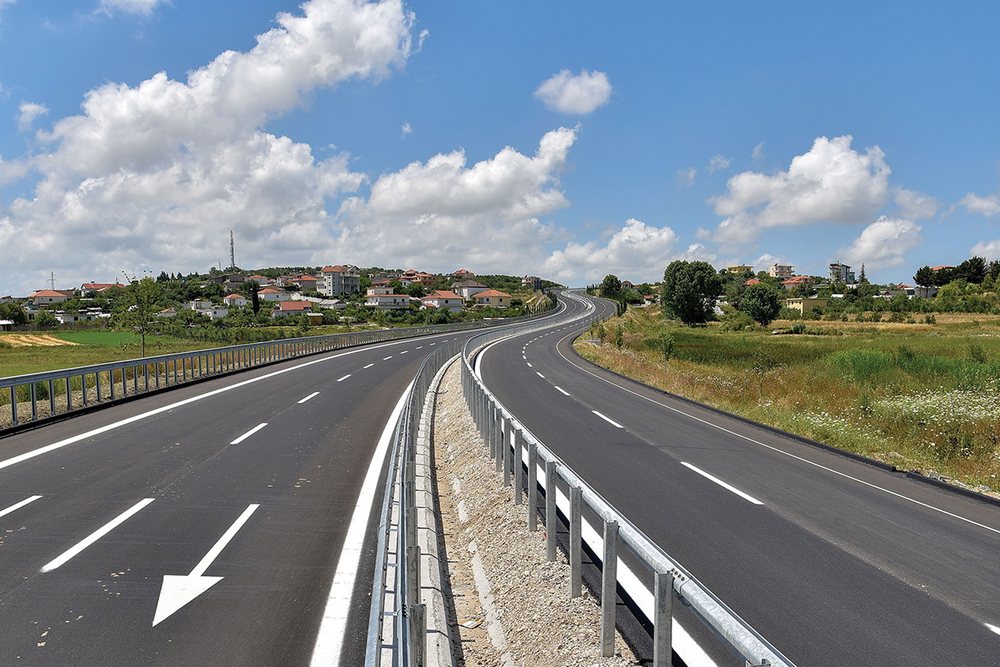
While the value of taxes and fees collected on vehicles is high, the government allocates only a small portion to road maintenance.
Official data shows that budget funds for maintenance do not exceed 3.5 billion lek per year (about 36 million euros). This amount is two times lower than the revenues provided by taxes paid at the time of technical inspection and is 10 times lower than the total revenues from taxes and fees on vehicles.
This disproportion suggests that the money that comes directly from road users, and especially from vehicle owners, is not returned to the same extent to guarantee the safety and quality of the asphalt and roads where these vehicles circulate.
With total revenues reaching 32 billion lek in 2025, the fact that only a small portion of this amount goes to routine maintenance remains a major question mark for the efficiency of public spending against the real needs of the national road network.
The state budget operates on the principle of non-earmarking of revenues. Money collected from vehicle taxes and other taxes is poured into a common bag. These funds are often used to plug holes in pension schemes, pay administrative salaries, or pay off public debt, rather than being put back on the road.
Also, the government's priority has historically been the construction of new roads (capital investments) rather than the maintenance of existing ones. This has created a cycle where roads quickly degrade and require total reconstruction, which costs much more than ongoing maintenance.
But if we also classify all the budget funds that the government allocates for road construction, in many years they are much lower than the total revenues collected from vehicles./Monitor