Ships passing through the Strait of Hormuz are facing new financial and procedural requirements, according to a Bloomberg report.
Sources say transit fees could reach up to $2 million, made in Chinese yuan or cryptocurrency.
According to the report, the changes come after the Iranian parliament approved a bill that sets new conditions for safe passage through this strategic maritime corridor. The process involves the submission of detailed information from ships, including data on ownership, flag, cargo, destination and crew, as well as navigation history through the Automatic Identification System (AIS).
This data is reviewed by structures linked to the Islamic Revolutionary Guard Corps to verify whether the ships have connections to countries considered hostile by Iran. After this process, the passage fee is also determined, which according to sources starts at about $1 per barrel of crude oil.
For very large tankers (VLCCs), which can carry up to 2 million barrels, the total cost can reach up to $2 million for a single passage.
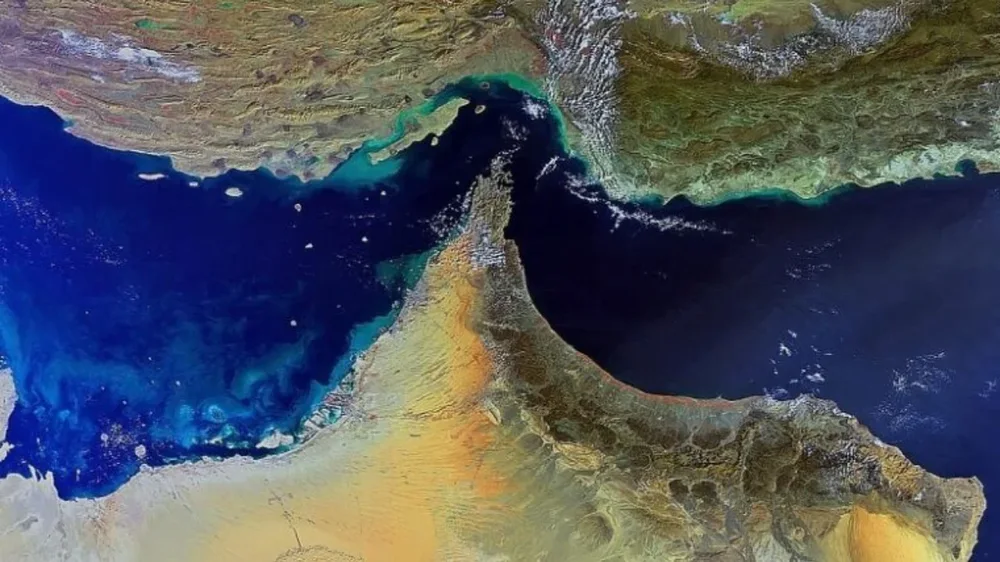
The Strait of Hormuz remains one of the most important routes for global energy trade, with around 20% of world oil production passing through it. Any developments in this area have a direct impact on international markets and supply chains.
Meanwhile, according to Bloomberg, hundreds of ships have begun negotiations for passage, while many others continue to remain in the region awaiting further developments, adding to uncertainty in the global energy market.