

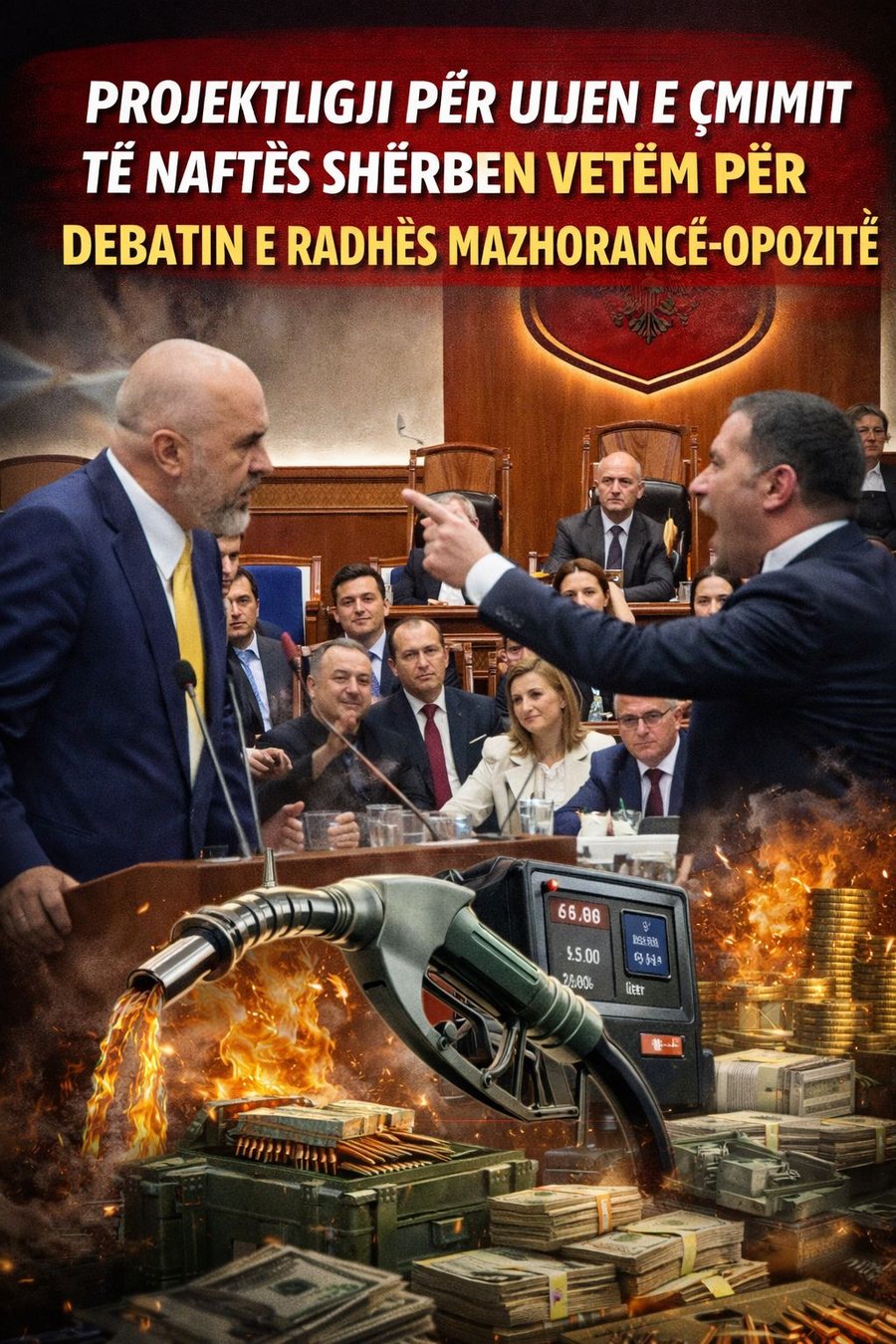
To understand the seriousness of the parliament regarding laws that are claimed to help citizens, it is enough to see what happened today with the draft law proposed by the opposition to reduce the price of oil, against the backdrop of the crisis in the Middle East. An initiative that on paper sounds like a reaction to a real concern, but which in practice ended up in what the parliament knows how to do best, the next political debate.
First, the opposition itself decided to introduce the proposal through an accelerated procedure, eliminating the possibility of a broad and in-depth discussion. A move that more closely resembles an attempt to put the government with its shoulders against the wall than a desire to build a real solution. The draft law was packaged quickly, creating the impression more of a product for media consumption, a few headlines against the government, than of an initiative designed to reach a conclusion in the best interests of the citizen.
However, regardless of the way it was conducted, this does not automatically invalidate the initiative. The demand that the government take concrete measures regarding the high price of fuel is more than fair and touches on a real problem that is felt every day by citizens.
But like many other draft laws that do not come from the majority, this one suffered the same fate, being defeated by 77 votes against the DP's request for an expedited procedure, not even passing the first phase of debate in the Assembly.
MP Eno Bozdo, in his speech, said that Albania today only has the Transparency Board, which monitors growth rather than curbing it, describing it as an instrument that depends on the will of the prime minister. According to him, unlike this approach, the mechanism proposed by the opposition aimed to create a legal guarantee that would protect citizens and ensure automatic price reductions in crisis situations.
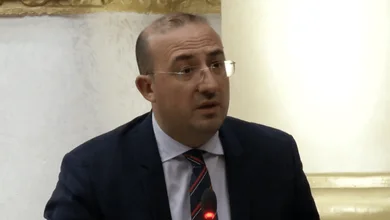
On the other hand, to justify the vote against, the head of the SP parliamentary group, Taulant Balla, came out, relying on the classic argument that the price of oil is determined on the stock exchange. But his answer leaves a simple question hanging: why then is the price in Albania often higher than in countries in the region, which also refer to the same stock exchange?
Balla once again mentioned the Transparency Board as an efficient measure, although it serves more as a mechanism that "dictates" the price than it does to the citizen.
"It was said here that oil in Albania is more expensive than in other countries. Oil is a stock market commodity. The company that brings it to Albania, British Petroleum, is one of the 3 giants. This company sells it at the stock market price," said Balla.
In the end, as if not to leave without a typical parliamentary note, Balla also found the "luxury" for a little irony towards the opposition, advising it not to be upset about laws that the majority does not vote for.