


Today in Albania, VAT on agricultural, livestock and food products is 20%, while the average in the EU is around 9%. Neighboring countries apply much lower VAT rates, ranging from 5–10%.
Is a profound reform necessary in Albania, which regulates the amount and method of taxation of agricultural, livestock and basic food products?
Direct support for farmers in Albania is relatively low compared to that of EU countries.
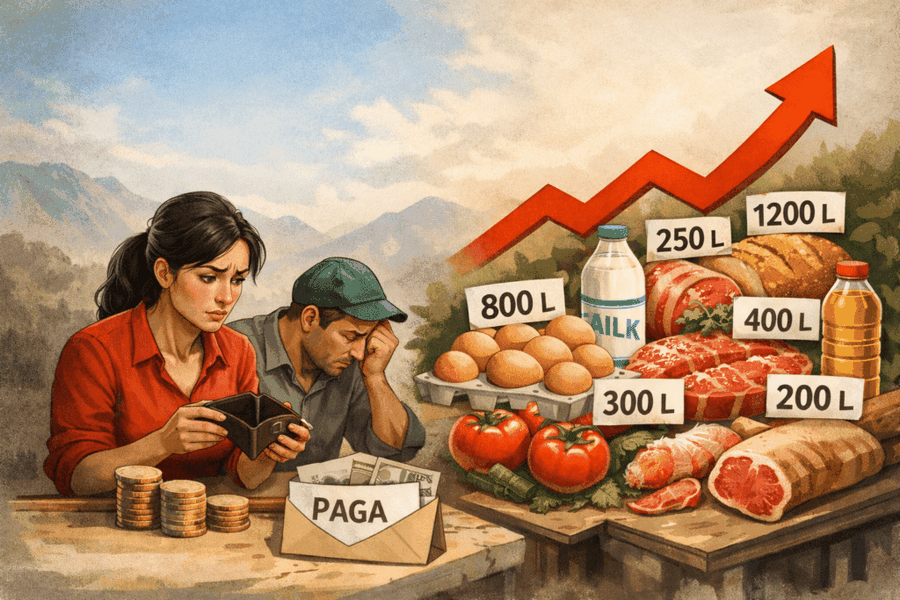
At a time when most Albanian families today spend up to 60% of their income on food, the prices of basic products continue to remain one of the main economic and social concerns in the country. Albania applies one of the highest levels of Value Added Tax (VAT) on food in the region and wider Europe, directly burdening the consumer.
Is this problem just a tax issue or are there other issues that need to be taken into consideration?
If we conduct an economic analysis, it shows that the situation is more complex and requires an integrated approach that includes three main pillars: fiscal reform, support for domestic production, and market regulation.
High VAT and burden on the consumer.
Currently, Albania applies a 20% VAT on almost all food products, including staples such as bread, milk, eggs and vegetables. This model is in stark contrast to European Union countries, where staple foods are taxed at much lower rates, often from 0% to 10%.
This difference has direct consequences: low-income families, who spend the majority of their budget on food, are more affected by this level of taxation. In essence, the current fiscal system is regressive, increasing economic inequality.
A reform that reduces VAT on basic foods to 5–10% would bring an immediate reduction in prices for consumers, easing financial pressure on families and increasing purchasing power.
Agriculture and livestock farming in Albania is an untapped potential.
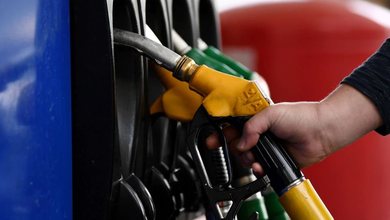
Meanwhile, one of the main reasons why prices remain high is limited domestic production. Albania, despite its natural potential, has failed to develop a competitive agricultural and livestock sector. Farmers face high costs for fuel, fertilizers and other inputs, while state support remains limited compared to European standards. In EU countries, subsidies are a key element in stabilizing production and reducing costs.
A well-structured support program in Albania should include:
Direct subsidies for farmers and livestock breeders.
Reduction in input costs.
Investments in warehousing, processing and logistics.
The effect of these measures would not be immediate, but in the medium term it would lead to increased domestic production and reduced dependence on imports, stabilizing prices.
The market and the role of intermediaries?
Another problematic link is the way the food market in Albania functions. Often, there is a large difference between the price the farmer receives and the price the consumer pays. This is due to a long chain of intermediaries, a lack of market organization, and a high level of informality.
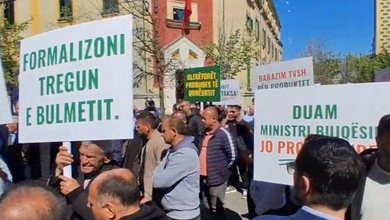
Formalizing the market and creating direct channels between producers and consumers would help reduce costs and increase transparency. Also, controlling abusive practices and increasing competition are essential elements for a more efficient market.
How much does such a reform cost?
A full reform package would have a significant cost to the state budget, estimated at around 300–350 million euros per year. This includes the loss of revenue from VAT reductions, subsidies for the agricultural sector, and investments in infrastructure and formalization.
However, this cost can be partially offset through: reducing tax evasion,
increasing taxation for high-profit sectors, and
benefiting from European Union funds.
In the longer term, we would have a more formal economy and a stronger manufacturing sector, which would generate more revenue for the state.
Such a reform is necessary as it offers a sustainable choice and continuous improvement.
Essentially, reducing food prices in Albania cannot be achieved through isolated measures. Reducing VAT without increasing domestic production would have limited effect, while subsidies without market regulation may not translate into lower prices for the consumer.
Only an integrated approach, combining fiscal policy with production support and market reform, can bring sustainable results. The current fiscal system is suboptimal for a low-income economy.
Fragmented policies are ineffective. Integrated reform is necessary to reduce prices.
In these conditions it is recommended:
Immediate reduction of VAT on basic foods.
Gradual increase in subsidies.
Complete formalization of the market.
Harmonization with EU practices.
In a country where food accounts for the majority of family expenses, it shows that this issue is not simply an economic one, but is a direct issue of well-being and social stability./Monitor.al/