


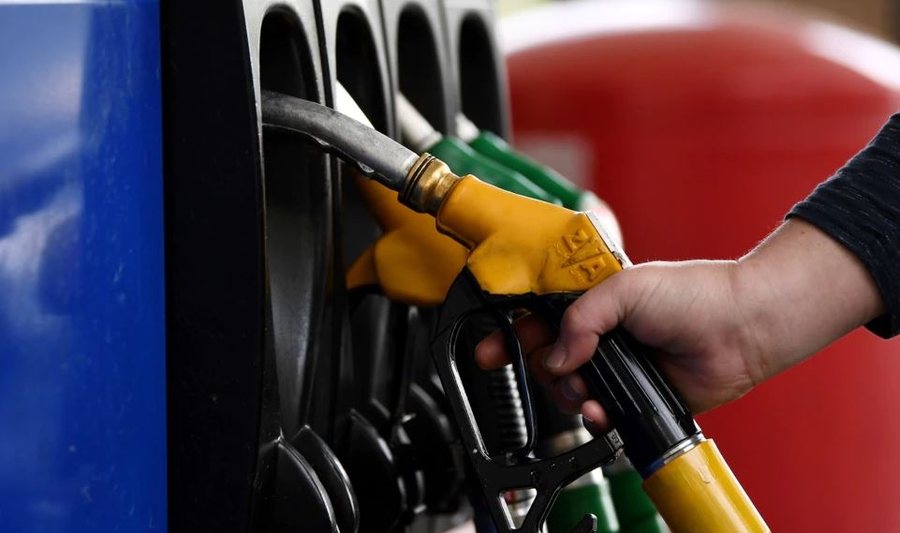
The government of North Macedonia has been forced to reduce the excise tax on oil again and extend the period for which the VAT reduction from 18 to 10% will be in effect.
Macedonian media report that fuel consumption rose last week to a record level of 2 million liters per day, from about 1.5 million liters previously, driven by higher demand from drivers from neighboring countries, attracted by lower retail prices.
The latest measure foresees an additional reduction in excise duty by 4 denars per liter for diesel and by 2 denars per liter for 95 and 98 octane gasoline, Prime Minister Hristijan Mickoski said at a press conference on Sunday, quoted in a government statement.
The government also extended until April 20 a previously approved measure that reduces the VAT rate on fuel to 10% from 18%, which was initially implemented in March.
Despite the increase in consumption, there will be no restrictions, as discussions with traders and suppliers have confirmed that domestic consumers will not be affected and will not face supply risks, the prime minister said, North Macedonian media reported.
Retail fuel prices in North Macedonia have been rising since before the war in the Middle East, now reaching 84 denars per liter for Eurosuper 95, 85.5 denars for Eurosuper 98 and 95.5 denars for Eurodiesel, or about 1.36 euros per liter for Eurosuper 95, 1.38 euros per liter for Eurosuper 98 and 1.55 euros per liter for Eurodiesel.
According to data from the Energy Regulatory Commission, this represents an increase of about 10 denars per liter for gasoline types, or approximately 0.16 euros, and 26.5 denars per liter for diesel, or about 0.43 euros. (1 euro = 61.74 denars).
Albanians' consumption in neighboring countries, at least 1 million euros per day
Albanian vehicle users historically, when leaving Albania, are refueled as they cross the border. Even residents of border areas cross the border into Montenegro, North Macedonia, or Kosovo.
The Association of Hydrocarbon Companies estimates that around 300-500 tons per day of oil are taken by Albanian customers near the border areas. In addition, another lost consumption of 120-300 tons per day is estimated by foreign citizens, who would potentially buy in Albania, but are supplied at the border entrance and exit.
According to data from the Ministry of Finance and Customs, the annual consumption of fuels in Albania is around 740 thousand tons per year, or around 2000 tons per day (which at the current price of 214 lek per liter translates into a consumption of 5.2 million euros per day).
From the data, it is estimated that fuel purchases in neighboring countries are on average 15-25% of total consumption in the country.
Converting 500 tons into liters, at an average price of 1.5-1.6 euros per liter, it is estimated that Albania is currently spending around 1 million euros per day on fuel purchases in neighboring countries, or over 350 million euros per year.
While the more expensive food prices are related to the lack of competitiveness and high dependence on imports, turning the economy into a large supermarket, for oil, one of the main reasons is related to the high tax burden paid for each liter.
In total, currently, an Albanian pays 1.16 euros in taxes on a liter of diesel (53% of the final price); a Macedonian citizen 0.58 euros per liter (36% of the final price); a Montenegrin 0.55 euros (35% of the final price); a citizen of Kosovo 0.67 euros, or 38.5% of the final price. In North Macedonia and Montenegro, where fuel is currently being traded at around 1.6 euros per liter. In Kosovo the price recently increased to 1.7-1.8 euros/liter, in Albania it is 2.2 euros/liter.
The Albanian government recently reduced excise duty by 20%, but this move translated into only 9.5 lek savings, while the price of oil increased to 224 lek/liter, or 40-50% more expensive than in North Macedonia! /Monitor.al/