


Whenever a crisis erupts in global oil markets, prices in Albania rise rapidly, while the government promises intervention.
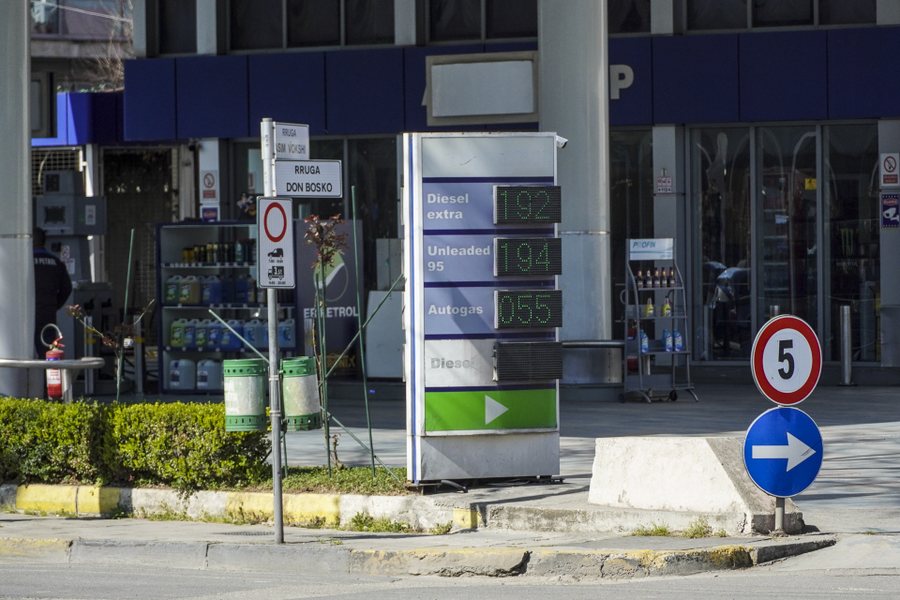
Two weeks after the start of the conflict in the Middle East, the price of oil in Tirana has reached 199 lek per liter. Just a few days ago it was 175 lek per liter. An increase of 24 lek, or 14 percent, which is weighing on citizens' pockets.
On international stock exchanges, the price of oil has risen to $103 per barrel. An expected development in conditions of global uncertainty. But what is neither new nor unexpected is the way Albania is reacting to this crisis.
2022
In March 2022, a few weeks after the start of the war in Ukraine, Rama promised that Albpetrol, the state-owned oil company, would be the "actor of the bad days."
"As a government, the Ministry of Energy and Infrastructure is committed today to creating its own oil reserve using Albpertol to have its own actor for bad days," Rama promised four years ago.
2026
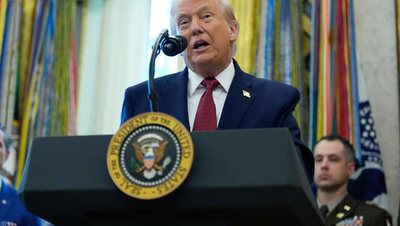
Four years later, in March 2026, the prime minister again promises the state's active role in the market as he reflected on the recent crisis.
"We will create the public factor, we will introduce the power of the state into the oil market. Very soon we will set an example of how things will change in the oil market as well," Rama said during a press conference.
He explained that the reserve law is under public consultation and provides for a reserve for 3 months.
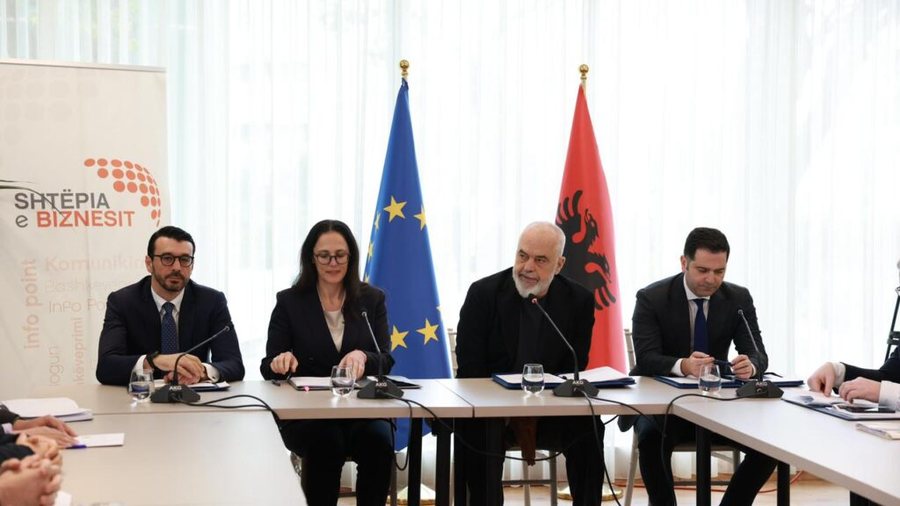
Rama held the same position in today's meeting with fuel suppliers in the country.
Minister of Infrastructure and Energy Enea Karakaçi even emphasized that the draft in question had been in the works for two years.
"We have been working on the new hydrocarbon reserve law for 2 years and it is now in the final phase for approval. The new draft law meets the needs of the EU and the country. It foresees the creation of a special agency and the reserve will be held by the State Agency that will deposit it in its deposits or rent it, having a 90-day reserve," said Karakaçi.
facts
But Factoja's verifications show that the law on strategic reserves, which was supposed to create the state structure for 'bad days', has been lying in the drawers of the Parliament for seven years, not two. In fact, Albania has been 'listening' to this delay for years by the Energy Community Secretariat.
"Although a new draft law on the Establishment, Maintenance and Management of Minimum Security Reserves of Crude Oil and Petroleum Products was prepared in 2018, it has not been approved," notes the 2025 report, in the chapter dedicated to Albania.
2019
In February 2019, the Ministry of Infrastructure and Energy released for public consultation the draft law on the establishment, maintenance and management of minimum security reserves of crude oil and its by-products. According to the draft, this reserve would be a guarantee that the country's activity would not be paralyzed in the event of a lack of supply.
According to the explanation made in the draft law, these reserves would ensure a high level of security of Albania's oil supply and would fulfill the obligations of relevant international agreements.
According to the document, the creation and maintenance of the security reserve would be shared between the industry and a public entity, the State Agency for Security Oil Reserves. The latter would have the majority of the reserve, with at least 60 days of average sales, while companies and refineries would have 30 days of average sales.
The agency (which was also discussed today at the Prime Minister's meeting) would have to operate with self-financing through a fee that would be collected on every liter of fuel at refineries and wholesale companies. At the time, this was the most debated point by market actors.
Currently, the legal obligation to maintain a safety reserve lies with hydrocarbon companies operating in the market. The 2004 decision stipulates that companies must maintain reserves of their respective annual imports for 90 days.
cONcluSiON
Albania still does not have a state oil security reserve. The State Oil Security Reserves Agency has not yet been established as the draft law that legislates the establishment of this institution has been waiting for 7 years to receive the green light.
When the war in Ukraine broke out in 2022, the creation of a state reserve and the introduction of the state as an actor in the oil market were promised. Today, in 2026, the promise has been recycled.
The instruments change names, but not the result. Yesterday it was the transparency board. Today it is the oil task force. However, the price at the pump continues to rise. Without a strategic reserve, the state has no real instrument to intervene in the market. There is no stock to put into circulation when prices rise. In this policy vacuum, the cost is passed directly to the citizens./Faktoje.al/