


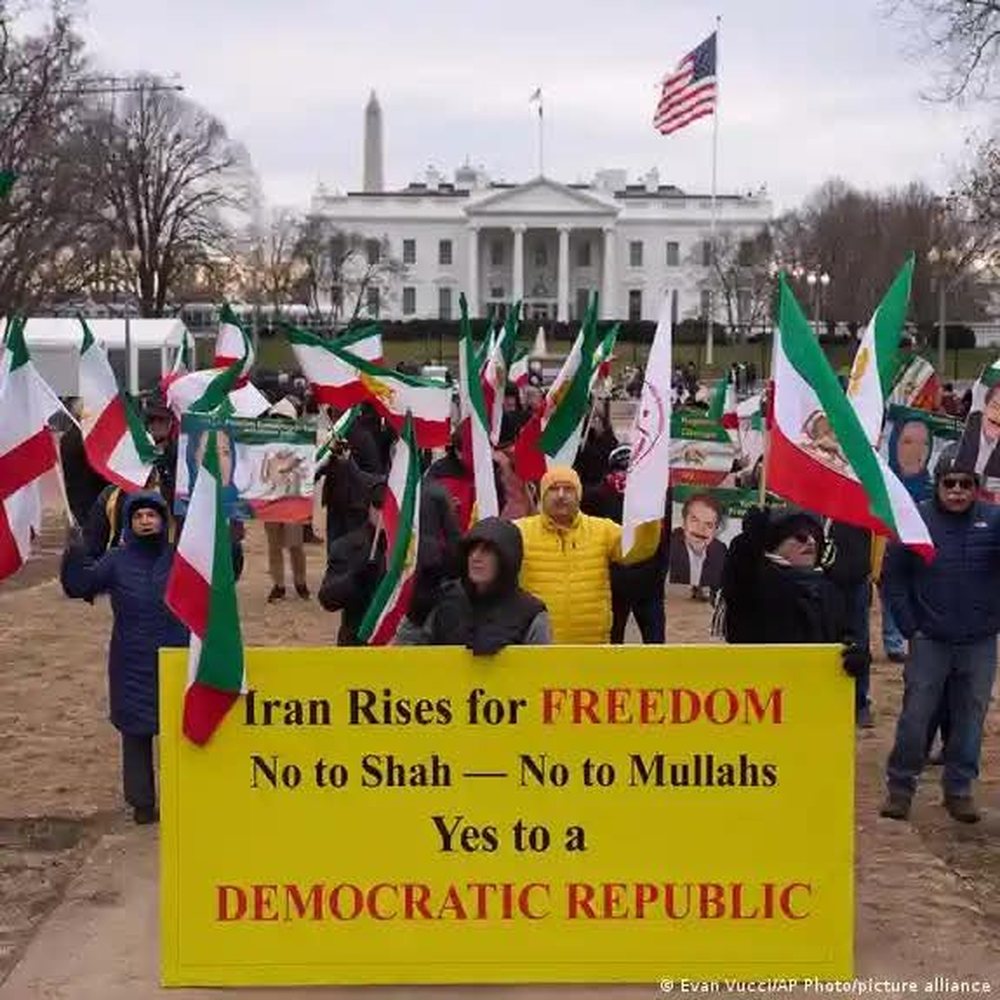
Members of this organization have been living in Albania since 2013, when the Albanian government agreed to shelter them at the request of the United States and the United Nations.
What is MEK?
The MEK is an Islamic political opposition group with socialist leanings. Founded in Iran in 1965, the group armed itself against the ruling Pahlavi dynasty, carrying out bombing campaigns against the Shah's government and American targets in the 1970s, and supporting Ayatollah Khomeini in the Islamic Revolution of 1978–1979.
However, shortly after the revolution, the MEK severed ties with the new government in Tehran and its members were banned from living in Iran. The group then lived in exile, continuing its opposition activities across the border.
The MEK moved to Iraq, from where it directed military operations during the Iran-Iraq war, whose actions are still not tolerated by many in Iran today.
The US State Department designated the MEK a terrorist organization in 1997, but removed it from its list of foreign terrorist organizations in 2012.
The MEK first reported that Iran had a secret uranium enrichment program. After the fall of Saddam Hussein, the organization was expelled from Iraq.
Recent protests in Iran
For Andreas Krieg, a Middle East expert and professor at the School of Security Studies at King's College London, the current wave of protests in Iran "looks more like a convergence of ongoing grievances that finally became synchronized, rather than a single 'incident'."
"It started with an immediate economic shock, the collapse of the local currency and inflation that translated into a sudden increase in prices, shortages and trade paralysis, and then it quickly became politicized, as people concluded that the state either could not or would not stabilize daily life," he told DW.
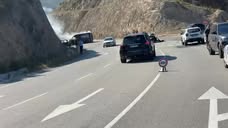
This photo, taken by the MEK, shows flames rising from a burning barricade in the middle of the road during ongoing anti-regime demonstrations in Iran.This photo, taken by the MEK, shows flames rising from a burning barricade in the middle of the road during ongoing anti-regime demonstrations in Iran.
This photo, taken by the MEK, shows flames rising from a burning barricade in the middle of the road during ongoing anti-regime demonstrations in Iran. Photo: MEK/The Media Express/SIP/SIPA/picture alliance
"What stands out is the profile of the coalition: markets and vendors helped as instigators, students and urban neighborhoods made the protest visible, while suburban cities and minority areas increased the scale of participation," Krieg said.
"The state response quickly shifted from prevention to repression, including a nationwide communications blackout designed to slow coordination and reduce external control, which usually coincides with harsher use of force on the ground," he said.
Fragmented opposition
Despite the fact that there have been many nationwide protests in Iran in recent decades, the Iranian opposition, both inside and outside the country, is not organized and is characterized by a large number of rival groups and ideological factions.
"Where the opposition 'stands' is better understood as fragmentation rather than absence," Krieg said, adding that "within Iran, collective action remains largely leaderless and networked: local mobilization, social connections, workplace dynamics, and university ecosystems produce coordinated outbreaks of protest, without an integrated national command structure."
Iran's opposition abroad
Outside Iran, the two largest opposition groups are the monarchists and the MEK. Leaders and members of both groups have lived in exile since the overthrow of the Pahlavi dynasty in 1979.
Reza Pahlavi, the heir to the last Shah of Iran, Mohammed Reza Pahlavi, lives in the United States. Although he has many admirers in the Iranian diaspora, his support within Iran remains unclear.
Supporters of Reza Pahlavi, heir to the last Shah of Iran, outside the US Embassy in London, calling on President Trump to keep his promise to support Iranians in IranSupporters of Reza Pahlavi, heir to the last Shah of Iran, outside the US Embassy in London, calling on President Trump to keep his promise to support Iranians in Iran
Supporters of Reza Pahlavi, heir to the last Shah of Iran, outside the US Embassy in London, calling on President Trump to keep his promise to support Iranians in Iran.
"Outside Iran, the diaspora remains influential in shaping the narrative and morality, but it is divided and often distrusted by people within the country, as they fear both manipulation and the void they have created after leaving," says Andreas Krieg.
"This is important for the security of the regime, because it reduces the probability of quick and clean elite divisions, even as it increases the likelihood of repeated cycles of protests: suppressing a wave of protests does not address the underlying factors that keep the streets filled," he added.
What role does the MEK play in the protests?
The second largest opposition group in Iran is the MEK, the largest group of the National Council of Resistance of Iran (NCRI), the coalition of Iranian opposition groups.
But what role does the MEK have in the latest protests?
Ali Safavi from the NCRI says the MEK has been actively involved in the protests.
"Njësitë e Rezistencës drejtojnë, koordinojnë dhe organizojnë rezistencën kundër forcave shtypëse" - i tha ai DW. "Në shumë raste, ato kanë luajtur gjithashtu një rol të rëndësishëm në mbrojtjen e protestuesve kundër sulmit të IRGC-së [Korpusit të Gardës Revolucionare Islamike]. Po të mos ishte për rolin e tyre, regjimi do ta kishte shtypur kryengritjen shumë shpejt."
Safavi i tha DW-së se "një numër domethënës i aktivistëve të MEK janë mes 3 mijë të vrarëve nga forcat e sigurisë”.
MEK, probleme legjitimiteti për shumë iranianë
Gjithsesi, për ekspertin e Lindjes së Mesme, Krieg, "kur flitet për MEK, është e rëndësishme të ndahet perceptimi, nga pëlqimi në terren”.
"Organizata është e disiplinuar, e njeh mirë median dhe është e aftë të prodhojë zhurmë, të bëjë presion përmes lobimit e të japë shumë mesazhe nga jashtë. Megjithatë, ajo ka probleme të mëdha legjitimiteti midis shumë iranianëve për shkak të historisë së saj, akuzave për kontroll të brendshëm dhe qëndrimit të gjatë në mërgim, faktorë që kufizojnë aftësinë e saj për të vepruar si një mjet unifikues i opozitës brenda vendit. Kjo është arsyeja pse kanë jehonë pretendimet, se organizata funksionon si 'kalë Troje' i huaj."
"MEK është i lehtë për t'u instrumentalizuar nga aktorë të shumtë në hapësirën e informacionit, duke përfshirë edhe "skifterët” (shënim: termi "skifterë” i referohet diplomatëve apo politikanëve që besojnë tek zgjidhjet me forcë ose ushtarake) anti-Iran në SHBA dhe Izrael. Por në praktikë, efekti është më shpesh i lidhur me reputacionin. I jep regjimit kornizën e përshtatshme për të vepruar si përfaqësues i huaj. Por nuk luan asnjë rol në udhëheqjen e këtyre protestave” - tha Krieg.
I konsideruar nga Irani si grup terrorist, tashmë MEK i bën thirrje Europës të ndërmarrë veprime të rrepta kundër qeverisë në Iran.
"Europa duhet ta përkufizojë menjëherë Korpusin e Gardës Revolucionare Islamike (IRGC) si entitet terrorist, të dëbojë diplomatët e regjimit, të tërheqë ambasadorët e saj nga Teherani, ta shkëpusë regjimin nga sistemi financiar ndërkombëtar, të bojkotojë shitjen e naftës dhe t'i çojë udhëheqësit e saj para gjykatave ndërkombëtare, për t'u ndjekur penalisht për krime kundër njerëzimit. Kjo përfshin edhe Udhëheqësin Suprem Ali Khamenei dhe zyrtarë të tjerë të lartë " – thotë Ali Safavi.
Këndvështrimi i Shqipërisë
Media në Shqipëri ka raportuar rregullisht për protestat në Iran dhe muxhahedinët në Shqipëri, që nga nisja e valës së fundit të protestave.
Nga ana e tyre, anëtarë të MEK në Shqipëri kanë qenë aktivë në mediat sociale, duke shpërndarë postime dhe fotografi që lidhen me protestuesit që kanë humbur jetën dhe anëtarët e tyre të vrarë në protesta.
Prime Minister Edi Rama, who has cut diplomatic ties with Iran since September 2022, following allegations that they were responsible for cyberattacks orchestrated by the Islamic Republic, has made no comment regarding the recent protests in Iran. /DW